What happened
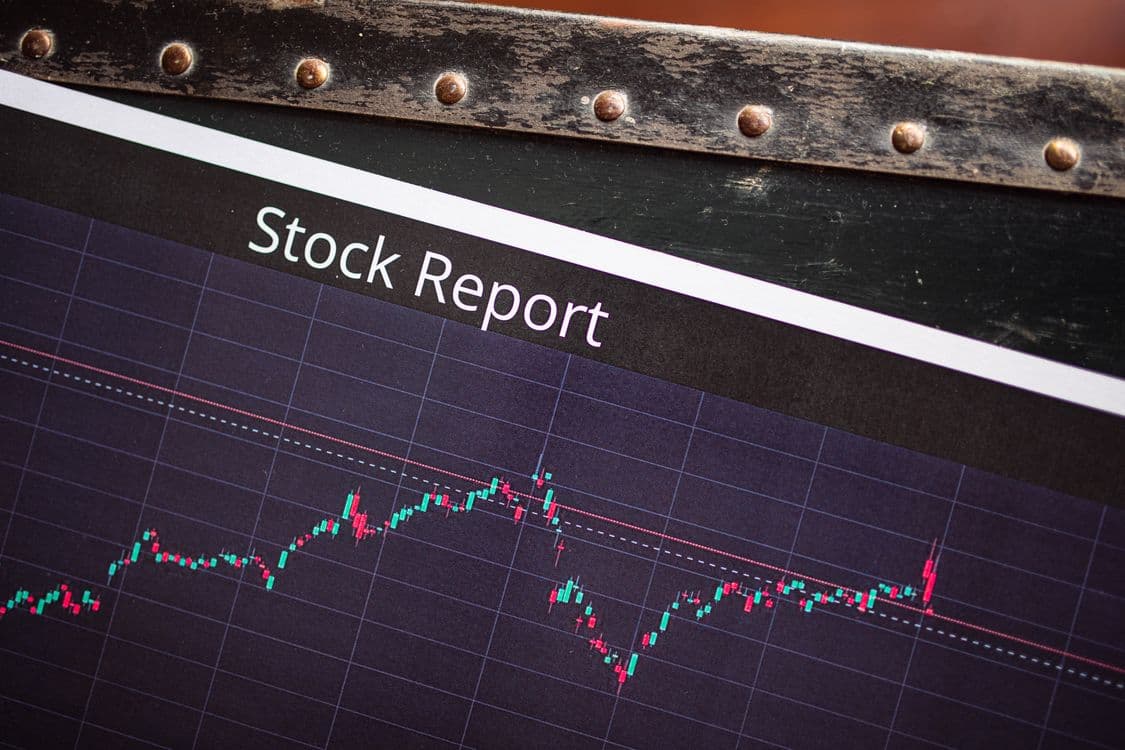
Brent crude, the global oil benchmark, jumped 5.4 percent to settle at 78.19 dollars a barrel on 8 July 2026, while the US benchmark West Texas Intermediate climbed 4.4 percent to 73.52 dollars. The move was one of the sharpest single-day rises of the year.
The trigger was geopolitical. Speaking at a NATO summit in Turkey, President Donald Trump said the ceasefire with Iran was over and warned that the United States would very probably attack Iran hard again. Traders reacted within minutes.
The reason oil is so sensitive to Iran is geography. Roughly a fifth of the worlds crude passes through the Strait of Hormuz, a narrow shipping lane off the Iranian coast. Any threat to that route raises fears that supply could be cut just as demand stays firm.
By later trading the initial panic had cooled, with Brent easing 0.5 percent to 77.61 dollars as some calm returned to markets. Even so, crude remains far above the levels seen before the conflict reignited.
Why it matters
Oil is the raw ingredient behind an enormous share of everyday costs. It powers lorries that move food to shops, fuels the planes and ships that carry goods, and feeds into plastics, fertiliser and heating. When crude rises, those costs ripple outward over the following weeks.
For the UK, the timing is awkward. Inflation has already crept back to 2.8 percent and forecasters expect it to climb further toward the end of the year. A fresh oil shock makes that path steeper and complicates the Bank of Englands job.
Higher energy prices also act like a tax on households. Money spent at the petrol pump or on gas bills is money not spent elsewhere, which slows the wider economy even as prices rise. That uncomfortable mix is exactly what central bankers fear.
Explained simply
Think of oil as the blood of the global economy. When one narrow artery near Iran gets squeezed, the whole body feels the pressure almost instantly.
Oil trades on expectations, not just on todays supply. No barrels have actually stopped flowing yet, but the mere threat that they might is enough to push prices up. Buyers rush to lock in supply before it becomes scarcer, and that rush is what you see in the price.
The Strait of Hormuz matters because there is no easy alternative route for much of the Gulfs oil. If tankers cannot pass safely, or insurers charge far more to cover the journey, the cost of every barrel from the region rises. Markets price that risk in advance.
This is why a single sentence from a politician can move billions of dollars in seconds. Traders are not reacting to a real shortage today. They are betting on how likely a shortage becomes tomorrow, and adjusting prices to match that probability.
What it means for you
The most direct hit lands at the petrol pump. A sustained rise in crude of this size typically feeds through to forecourt prices within two to three weeks, and could add several pence per litre. For a driver filling a 50 litre tank, that can mean a few pounds more each visit.
Home energy is the next channel. Wholesale gas prices often track oil, so if crude stays elevated, the next review of the energy price cap could come in higher than hoped. Households on variable tariffs would feel that first.
For savers and investors, energy shares such as those in the FTSE 100 heavyweights BP and Shell tend to benefit from higher oil, which can support a UK tracker fund. But airlines, hauliers and other heavy fuel users usually suffer, so the effect on a broad portfolio is mixed.
The bigger picture
Oil shocks have a long history of tipping economies off course, from the crises of the 1970s to the surge that followed the invasion of Ukraine. The key question is always whether a spike is temporary or lasting.
For now, much depends on diplomacy. If tensions cool, prices could fall back as quickly as they rose. If the conflict widens, markets will keep a risk premium baked into every barrel. Watch the Strait of Hormuz headlines and the next UK inflation reading for clues on which way this turns.


