What happened
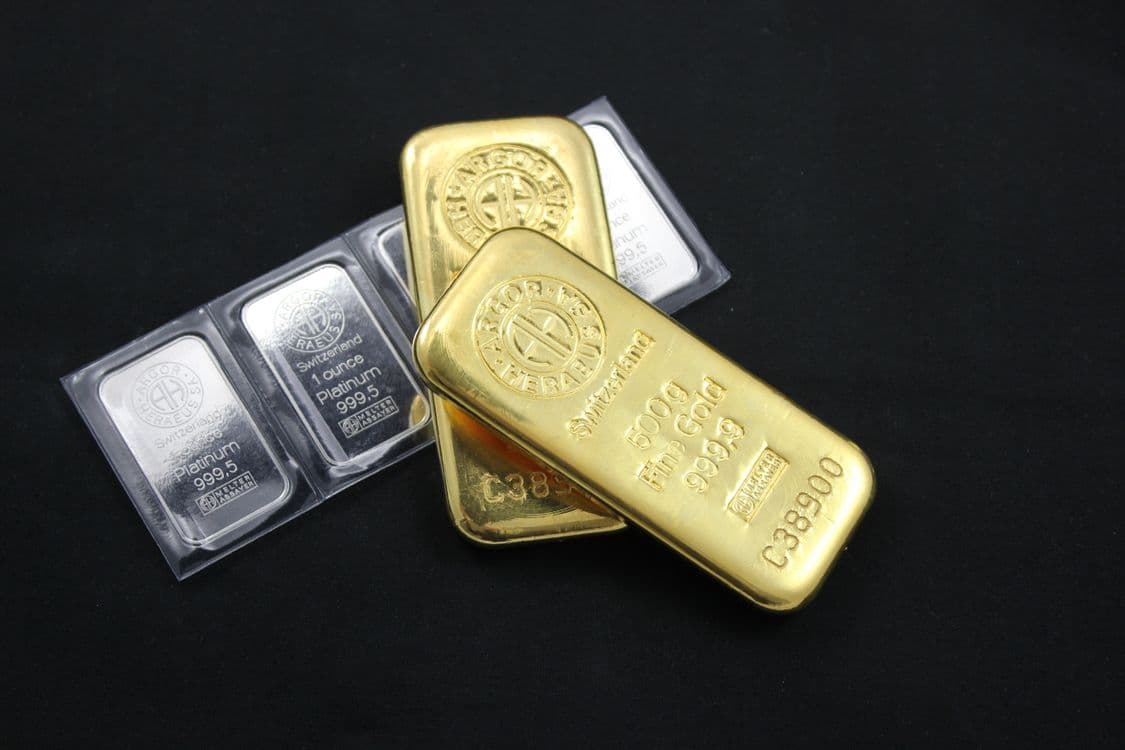
Gold held firm at roughly 4,101 dollars an ounce, refusing to give back its gains even as the rest of the market relaxed. That is the detail worth pausing on. Oil retreated from its earlier highs, equity markets recovered, and yet gold stayed put.
The driver remains the conflict between the United States and Iran. Military action continued through the week, but investors have grown more optimistic that the fighting will stay regionally contained rather than escalating into a broader disruption of the world energy supply. That optimism was enough to pull oil down and push shares up.
Gold did not follow, and that divergence is telling. A safe-haven asset is one investors buy specifically when they are frightened, precisely because it tends to hold its value when everything else is falling. Gold is the oldest example. If it were purely tracking day-to-day fear, it should have slipped alongside oil.
Instead it is signalling something more durable: investors want protection not just against this conflict, but against a world that feels structurally less stable.
Why it matters
Gold is the market anxiety gauge, and right now it is reading high even on a calm day. When shares rally and gold holds anyway, it usually means large institutional investors, central banks and pension funds are buying protection on a strategic timescale rather than a tactical one.
Central bank buying is a big part of this story. Central banks around the world, particularly outside the West, have been steadily accumulating gold reserves for several years. Their motivation is not a trading profit, it is reducing dependence on the US dollar. That is buying that does not care what happened to the oil price this week.
For ordinary savers, the significance is mostly informational. Gold pays no income, produces nothing and costs money to store. It is not a growth asset. But its price is a useful thermometer, and a high, sticky gold price tells you that professional money considers the risk of something going badly wrong to be meaningfully above normal.
There is also an inflation angle. Gold is traditionally bought as a hedge against currencies losing value, so a stubbornly high gold price is partly a vote of limited confidence in how well governments and central banks will keep prices under control.
Explained simply
Gold is a fire extinguisher. It does nothing for you on an ordinary day, it takes up space, and you resent paying for it. You only find out whether the price was worth it on the day the kitchen goes up.
Every other asset you can own has a job. A company share pays you a slice of profits. A bond pays you interest. A rental property pays you rent. Gold pays you nothing at all, ever. Its entire value rests on the fact that other people also believe it is valuable, and have believed that consistently for about five thousand years.
That sounds like a weakness, and in normal times it is. Over long periods, gold has been comfortably beaten by shares, which grow because the businesses behind them grow. Holding gold instead of equities for decades is a reliable way to end up poorer.
Its usefulness is specific and narrow. In moments when people lose faith in paper money, in governments, or in the banking system, gold tends to rise exactly when everything else is falling. That is the whole pitch. It is not an investment that makes you rich. It is an asset that stops you being ruined.
Which brings us to the awkward part. Insurance is cheapest to buy before the fire, not while the smoke alarm is going off. Gold at 4,101 dollars is not cheap insurance. Anybody buying today is paying a price that already reflects everyone else fear.
What it means for you
If you already own gold, whether through a physical holding or a gold ETF, a fund that tracks the gold price and trades like a share, you have had a strong run. The discipline now is rebalancing. If gold was meant to be 5 percent of your portfolio and price rises have pushed it to 9 percent, selling the excess and moving it back into your core holdings is how you actually convert a good run into money.
If you do not own gold and are tempted to start now, be honest about your reason. Buying because the price has gone up a lot is chasing performance, and it is the single most common way private investors lose money. Most mainstream advice caps gold at around 5 to 10 percent of a portfolio, and there is no case for going near the top of that range at a price this elevated.
A more practical option for most UK savers seeking safety is far less romantic: cash. Easy-access savings accounts at the better challenger banks pay around 4.3 to 4.5 percent, guaranteed, with the first 85,000 pounds protected by the Financial Services Compensation Scheme. Gold offers no yield and no protection. On 20,000 pounds, that is roughly 880 pounds a year in interest that gold simply does not pay.
If your worry is inflation specifically rather than catastrophe, index-linked gilts, which are UK government bonds whose payouts rise with inflation, target that risk far more directly than gold does.
The bigger picture
The last few years have handed gold an unusually strong story: war in multiple regions, elevated inflation, huge government debts and central banks diversifying away from the dollar. All of those are slow-moving forces, which is why the price has not simply spiked and collapsed the way it does during a short panic.
The risk for anyone buying now is that these forces do not need to reverse for gold to fall, they only need to stop getting worse. If the Iran conflict resolves, inflation settles at target and rates stay attractive, the case for holding an asset that pays nothing weakens fast, and gold can fall a long way without anything actually going right in the world.
Watch the relationship between gold and interest rates. Gold competes with cash and bonds, and it looks least appealing when those pay well. If central banks stay higher for longer, as Huw Pill has hinted the Bank of England might, that is quietly bearish for gold.


