What happened
Brent crude, the global benchmark oil price, dropped below 70 dollars a barrel on 1 July, returning to roughly the level it held before the Middle East conflict erupted in late February. West Texas Intermediate, the American benchmark, has also slipped back under 70 dollars.
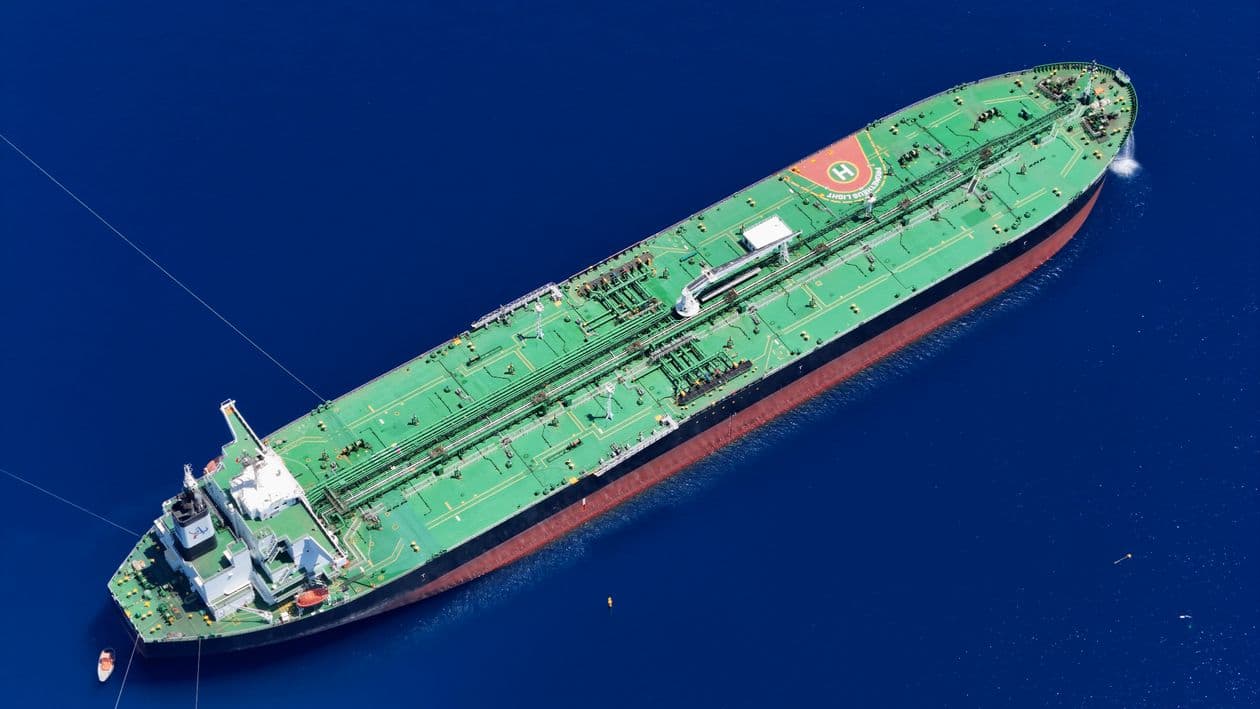
The trigger was diplomatic. On 18 June the United States and Iran signed a memorandum of understanding to end the conflict and reopen the Strait of Hormuz, the narrow sea channel between Iran and Oman through which roughly a fifth of the world oil supply passes every day. The strait had been effectively closed since 28 February. Tanker traffic has since picked up sharply, with ships loading and delivering crude and refined products again.
The scale of the reversal in expectations is remarkable. At the height of the crisis, analysts at Citi were forecasting oil at 110 dollars a barrel for the third quarter. That forecast has now been slashed to 75 dollars. Some traders think the fall has gone too far, too fast.
Oil is the most politically sensitive commodity in the world, and it moves on fear as much as on physical supply. When the strait closed, no barrels actually stopped flowing on day one, but the possibility that they might was enough to send prices soaring. Now that the fear has drained away, the price has collapsed back.
Why it matters
Oil is the input that touches everything. It is petrol and diesel, obviously, but it is also plastics, fertiliser, shipping, aviation fuel and the cost of getting food from a farm to a supermarket shelf. A sustained fall in the oil price is a broad-based cut in costs across the entire economy.
That matters enormously for inflation and therefore for interest rates. UK transport inflation, which includes motor fuel and air fares, has been running at 6.8 percent, the highest since December 2022, and it is the single biggest thing holding the headline inflation rate up at 2.8 percent. If crude stays below 70 dollars, that transport number should fall over the coming months.
If transport inflation falls, headline inflation falls, and the argument inside the Bank of England for holding rates or even raising them weakens considerably. Cheap oil is, indirectly, a case for lower mortgage rates.
There is a losing side. Oil majors such as Shell and BP are among the largest companies in the FTSE 100, and their profits fall when crude falls. UK pension funds are heavily exposed to them. Cheaper oil is good for your fuel bill and mildly bad for your pension.
Explained simply
The Strait of Hormuz is the world energy market''s single-lane bridge. Close it and everyone panics about being stranded, even if their tank is full. Reopen it and the panic price vanishes overnight, because the queue starts moving again.
Here is how oil pricing actually works, and it is less about barrels than most people assume. The price of a barrel today reflects what traders think the supply and demand balance will look like months from now. It is a bet on the future, not a measurement of the present.
When the strait closed, traders did not know how long it would last. A long closure would have meant a genuine global shortage, because roughly one barrel in five travels through that channel. So they bid the price up to protect themselves against a shortage that had not yet happened. That extra amount on top of the fair price is often called a risk premium, which simply means the money buyers pay for peace of mind.
The memorandum of understanding removed the risk. Tankers started moving. The shortage that traders had been insuring against was never going to happen. So the risk premium evaporated, and the price fell straight back to where the underlying supply and demand fundamentals said it should have been all along.
This is why some analysts now warn the drop has overshot. Markets that price on fear tend to overcorrect in both directions. If anything goes wrong in the region again, the premium can return just as fast as it disappeared.
What it means for you
The most direct effect is at the petrol pump. Crude prices feed through to forecourt prices with a lag of roughly two to six weeks, and the pass-through is imperfect because fuel duty and VAT make up a large fixed chunk of what you pay. As a rough guide, a 10 dollar per barrel fall in crude tends to translate into somewhere around 5 to 7 pence a litre at the pump. On a 50 litre tank, that is around 3 pounds a fill.
Air fares should also soften. Fuel is one of the largest costs for any airline, and cheaper jet fuel is a large part of why airlines such as easyJet look attractive to buyers right now. Do not expect an instant drop, because carriers hedge fuel months in advance, but autumn and winter fares should benefit.
Your energy bill is a slower story. UK domestic gas and electricity prices are set through the Ofgem price cap, which is recalculated quarterly based on wholesale costs over a preceding window. Lower energy costs now should show up in the cap that takes effect a quarter or two from now rather than immediately.
If you hold a FTSE 100 tracker or a UK income fund, be aware that Shell and BP together are a substantial slice of the index and of UK dividend income. A sustained oil price in the 60s would put pressure on their earnings and eventually their buybacks. This is not a reason to sell, but it is a reason to understand what you actually own.
The bigger picture
Energy shocks have driven almost every major inflation episode of the past fifty years, from the 1973 oil embargo to the gas price spike of 2022. The relationship runs the other way too: falling energy prices are the fastest and most reliable route back to low inflation.
What makes this episode unusual is how quickly it resolved. A closed Strait of Hormuz is one of the most feared scenarios in global energy, and the fact that it lasted under four months and ended with a signed agreement rather than an escalation is genuinely good news for the world economy.
What to watch: whether tanker traffic through the strait normalises fully, whether OPEC responds to cheap oil by cutting production to prop the price back up, and whether UK transport inflation actually falls in the next two monthly readings. That last one is the number that will decide what the Bank of England does next.


