What happened
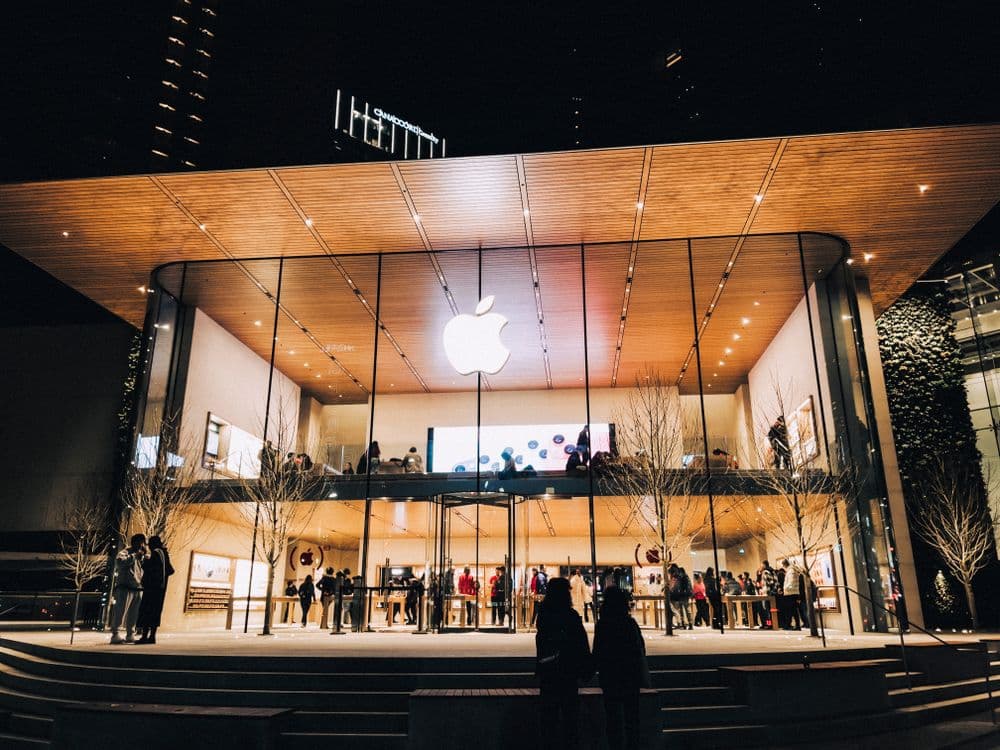
Apple shares surged 4 percent to a record high on 15 July 2026 after a report that the iPhone maker had won approval to launch its generative artificial intelligence features in China, one of its most important markets. The rally helped lift Wall Street across the board.
The S&P 500, the main index of large US companies, rose 0.38 percent to close at 7,572.40, while the technology heavy Nasdaq Composite climbed 0.62 percent to 26,269.23. The Dow Jones Industrial Average added 150 points, or 0.29 percent, to finish at 52,658.64.
Other technology giants joined the advance, with Alphabet up 3.17 percent, Meta up 3.07 percent, Amazon up 3.02 percent and Microsoft up 2.78 percent. A bullish outlook from Dutch chip equipment maker ASML added to the optimism.
Why it matters
The driver behind the gains was a softer than expected reading on US wholesale inflation, the prices firms charge each other before goods reach the shops. Cooler inflation raises hopes that the Federal Reserve, the US central bank, may not need to keep interest rates high for as long.
When borrowing costs are expected to ease, shares, and technology shares in particular, tend to rise, because future profits become more valuable and cheaper money encourages investment. That is why a single inflation number can move trillions of dollars of stock in a day.
Because US markets are so large, their moves ripple worldwide. British pension funds and ISAs that hold global or US shares feel the effect directly, so a strong day on Wall Street quietly boosts the retirement savings of millions of people in the UK.
Explained simply
Think of the stock market as a giant mood ring for the economy. When inflation news comes in cool the ring glows green and investors relax; when it runs hot it flashes red.
Share prices reflect what investors think a company will earn in the future. When inflation cools, investors bet that the central bank will be able to lower interest rates sooner, and lower rates make those future earnings worth more today. So good inflation news tends to lift the whole market at once.
Technology firms react most strongly because much of their value rests on profits expected years down the line rather than today. High interest rates shrink the present day value of those distant profits, so when rates look set to fall, tech shares like Apple and Microsoft usually lead the charge upward.
Apple had an extra reason to jump: approval to sell its AI features in China opens the door to hundreds of millions of new customers. Combine a company specific win with a friendly inflation backdrop and you get the kind of broad, record setting day seen on 15 July.
What it means for you
If you hold a global tracker fund or a US focused fund in your ISA or pension, days like this add directly to your balance, since American technology giants make up a large share of world stock indices. Apple, Microsoft and their peers alone account for a hefty slice of a typical global fund.
It is a useful reminder of why diversification pays. A fund spread across hundreds of companies lets you share in Apple record highs without betting everything on one firm. If you only owned a couple of stocks, your fortunes would swing far more wildly than the broad market did on 15 July.
For anyone tempted to chase the rally, caution helps. Markets near record highs can still fall sharply on a single bad inflation print, so drip feeding money in through regular monthly contributions, rather than piling in at a peak, remains a steadier way to build savings over time.
The bigger picture
Wall Street has spent 2026 grinding higher, powered by enthusiasm for artificial intelligence and hopes that inflation is finally under control. Fresh record highs show that optimism is still winning, even as wars and energy shocks cloud the outlook.
The number to watch next is the official US consumer inflation report and the Federal Reserve next meeting. If inflation keeps cooling the path is clear for further gains; if it reignites, richly valued technology shares would have the most to lose.


