What happened
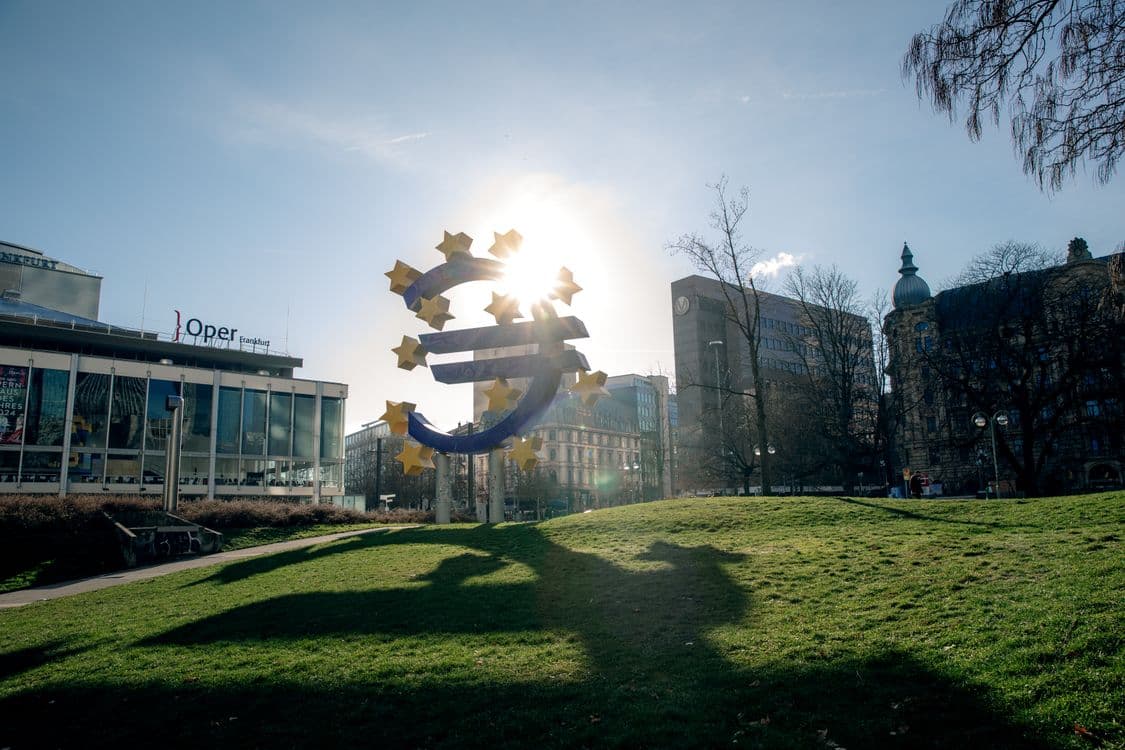
The European Central Bank lifted its key deposit rate by a quarter of a percentage point to 2.25 percent, the first rate rise in nearly three years and a decisive reversal of the easing cycle that shaped policy through 2025. The move makes the ECB the first major central bank to tighten in direct response to the US-Iran war and the energy shock it has triggered.
Eurozone inflation reached 3.2 percent in May, the highest reading since September 2023, driven by a 10.9 percent surge in energy prices as conflict around the Strait of Hormuz threatened oil and gas supplies. The Governing Council said plainly that the war in the Middle East is generating inflation pressures it cannot ignore.
Alongside the decision, the bank raised its inflation forecasts. It now expects headline inflation to average 3 percent across 2026 before cooling to 2.3 percent in 2027 and back to the 2 percent target in 2028. Growth is projected at just 0.8 percent this year, a reminder that the ECB is tightening into a weak economy rather than a booming one.
Why it matters
Raising rates while growth is fragile is one of the hardest calls a central bank can make. The ECB is signalling that it views the current burst of inflation as dangerous enough to risk slowing the economy further, because once high prices become embedded in wages and contracts they are far harder to remove.
For the eurozone, this means more expensive borrowing across the board. Mortgages linked to short-term rates, business loans and government debt costs all rise when the deposit rate goes up. Countries with heavy debt loads, such as Italy and France, feel the squeeze most sharply.
The decision also matters far beyond Europe. The ECB moving before the US Federal Reserve or the Bank of England breaks the recent pattern of central banks cutting in unison, and it marks the energy-driven inflation from the Middle East as a global monetary problem rather than a temporary spike.
Explained simply
Think of the ECB as the thermostat for the whole eurozone economy. Prices are running hot because of an energy fire abroad, so the bank is turning the dial down even though the room is already a little cold.
Interest rates are the main tool a central bank uses to control how much money flows through an economy. When it raises the deposit rate, it becomes more rewarding for banks and savers to hold money rather than spend or lend it. That cools demand, and weaker demand eventually pulls price rises back down.
The tricky part is timing. The inflation the ECB is fighting comes mainly from expensive imported energy, not from an overheating economy. Higher rates cannot lower the price of oil. What they can do is stop that one-off jump in energy costs from spreading into everything else, from restaurant bills to shop wages.
So the bank is accepting a slower economy now as the price of preventing a longer, more painful inflation problem later. It is a deliberate trade-off, and the ECB has judged that the risk of doing nothing is greater.
What it means for you
If you hold euros or travel to the eurozone, a higher deposit rate tends to support the euro against the pound and the dollar, which can make a Paris or Rome trip more expensive when you change money. British savers with euro-denominated accounts may see marginally better returns.
Anyone with a tracker mortgage in the eurozone will feel this directly. On a 200,000 euro loan, a quarter-point rise adds roughly 40 to 50 euros a month to repayments, and lenders often price in expectations of further hikes on top.
UK readers are not insulated. A stronger euro raises the cost of goods and holidays imported from Europe, from cars to wine, and it adds to the imported inflation that the Bank of England is already watching closely as it weighs its own next move.
The bigger picture
The ECB last raised rates in September 2023, and the return to tightening marks a turning point in the post-pandemic cycle. For two years the story was falling inflation and gradual rate cuts. The Middle East conflict has rewritten that script.
Markets are now nervously eyeing the ECB meeting on 22 July, where soaring oil prices have thrown any expectation of a pause into doubt. Investors should watch the oil price and the Strait of Hormuz closely, because as long as energy supply is at risk, the pressure on the ECB to keep tightening will not ease.


