What happened
UK inflation is now expected to end 2026 higher than the government had hoped, with internal forecasts revised up to around 3.2 percent for the final three months of the year. Independent economists surveyed by the Treasury are gloomier still, pencilling in figures closer to 3.5 percent.
The immediate reading remains calmer. Consumer prices rose 2.8 percent in the year to May 2026, unchanged from April, but forecasters expect that number to drift upwards as rising oil prices feed through to petrol pumps, energy bills and transport costs.
The pressure spilled into government debt markets this week. UK borrowing costs, measured by the yield on 10-year government bonds, pushed above 5 percent for the first time since May during a global bond sell-off, raising the price the state pays to fund itself.
Why it matters
Inflation that refuses to fall back to the Bank of England 2 percent target keeps the cost of living problem alive. Wages have to stretch further, and the squeeze lands hardest on households that spend most of their income on essentials such as food, fuel and heating.
Higher government borrowing costs matter because they shape the whole economy. When the state pays more to borrow, there is less room in the budget for spending or tax cuts, and the elevated yields also feed through to the fixed-rate mortgages and business loans that are priced off government debt.
Taken together, sticky inflation and dearer borrowing box in policymakers. The Bank of England cannot cut interest rates freely while price pressures are building, which means the era of expensive money is likely to last longer than many borrowers had hoped.
Explained simply
Think of government bond yields as the interest rate on the nation credit card. When lenders get nervous, they demand a higher rate, and suddenly every repayment the country makes costs more.
When the government spends more than it raises in tax, it borrows the difference by selling bonds, which are simply IOUs that pay interest. The yield is the return investors demand to hold them. If investors worry about inflation or about how much a country is borrowing, they demand a higher yield to compensate.
Inflation is the other half of the story. It is the rate at which the prices of everyday things go up. A little is normal and healthy, but when it sits well above target it erodes the value of both wages and savings, because the same pound buys less each month.
The two are linked. Higher expected inflation pushes investors to demand higher bond yields, and higher yields raise the cost of everything from mortgages to company debt. That is why a jump in a number as abstract as the 10-year yield eventually shows up in your monthly bills.
What it means for you
For savers, there is a silver lining. With inflation sticky and yields high, easy-access savings accounts and Cash ISAs paying around 4.5 to 4.8 percent at major banks are likely to hold those rates for longer rather than falling quickly.
For borrowers, the picture is harder. Fixed-rate mortgages are priced off government bond yields, so the move above 5 percent means new two and five-year fixes are unlikely to get cheaper soon. A household remortgaging a 250,000 pound loan could face payments hundreds of pounds a month higher than on a deal taken out five years ago.
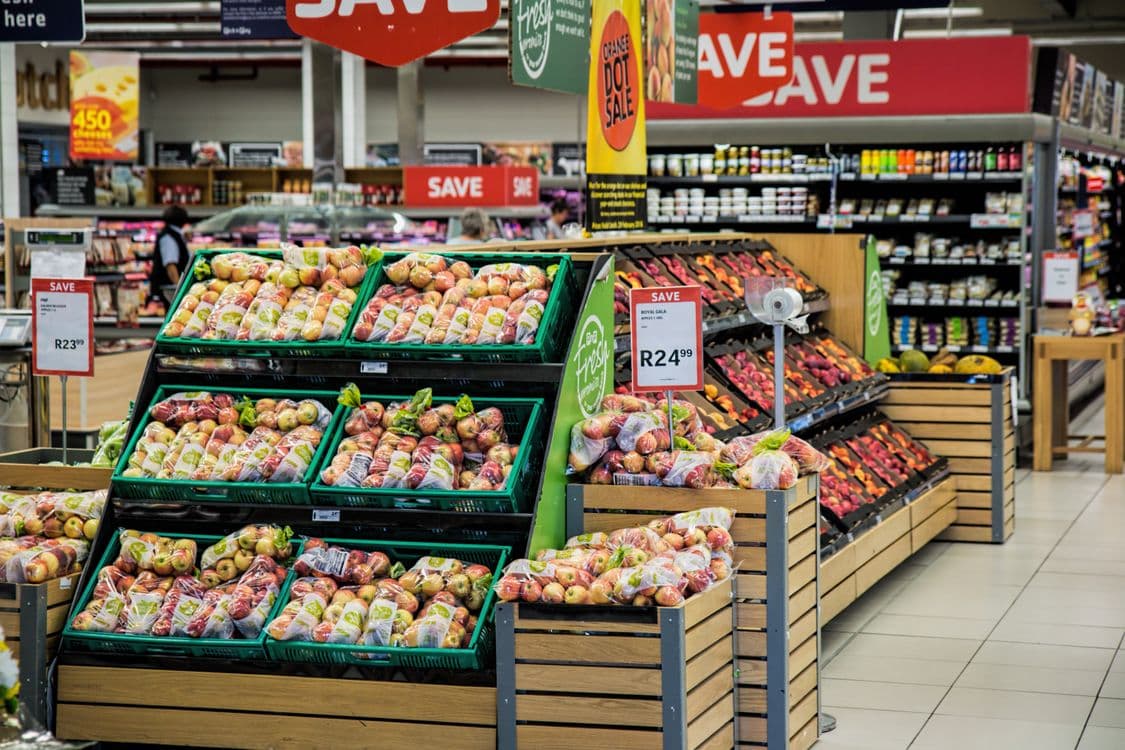
For everyone else, stubborn inflation simply means the weekly shop and the petrol receipt keep creeping up. Budgeting for prices that rise around 3 percent a year, rather than the 2 percent the Bank targets, is the sensible planning assumption for now.
The bigger picture
This is the awkward middle of the inflation cycle. The worst of the 2022 and 2023 price spikes has passed, but the Middle East energy shock has stopped inflation settling back to target, leaving the UK stuck with prices that are neither soaring nor truly under control.
Incoming prime minister Andy Burnham is already being warned by senior officials that he will inherit a worsening economic outlook. Readers should watch the next official inflation release and the Bank of England response, because those will decide whether borrowing costs ease or stay painfully high into 2027.


