What happened
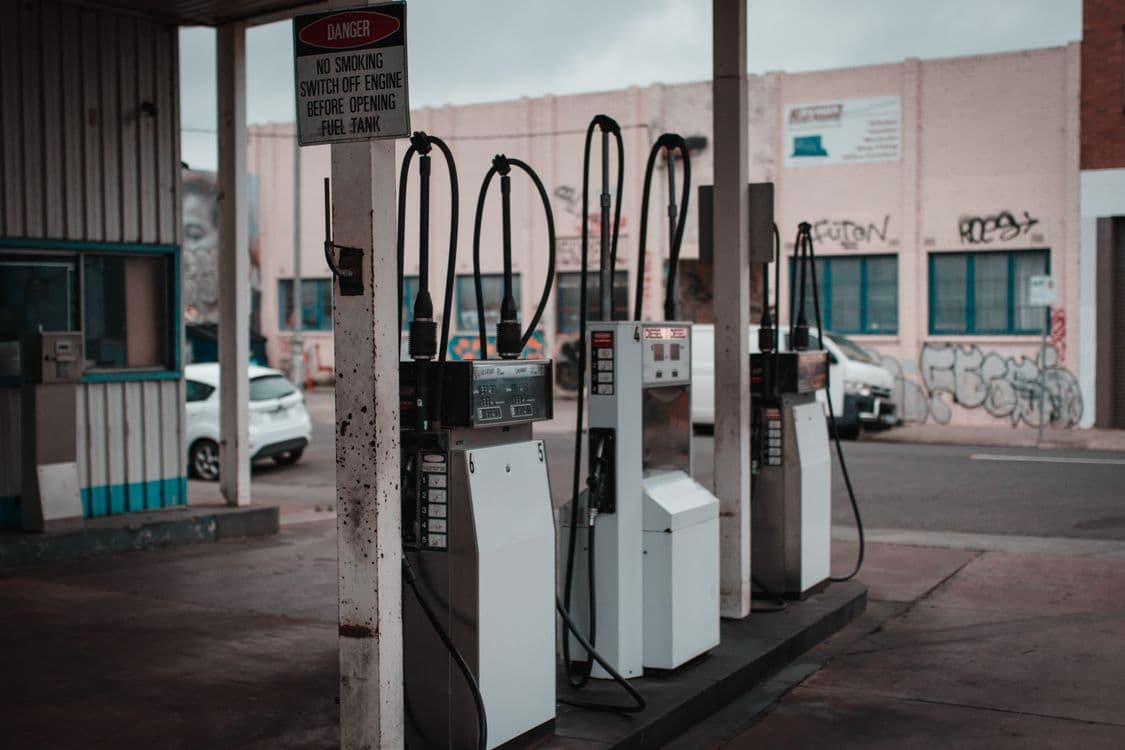
The average US petrol price has pushed back above 4 dollars a gallon as fighting between the United States and Iran drives oil higher. The conflict is now in its ninth day, after US airstrikes on Sunday targeted Iran Revolutionary Guard Corps in retaliation for an attack in Jordan that killed two American service members.
Oil markets have been volatile. Brent crude, the global benchmark, traded around 88 dollars a barrel on Monday, down from earlier highs near 91.42 dollars. US WTI crude stood at about 82.35 dollars, off a peak of 85.39 dollars, as traders weighed the risk to supplies against hopes the conflict stays contained.
The flashpoint is the Strait of Hormuz, the narrow waterway through which a large share of the world seaborne oil passes. The US said its strikes were designed to degrade Iran ability to threaten commercial shipping there, but any disruption to the route would send prices sharply higher.
Why it matters
Oil is the lifeblood of the modern economy, and its price feeds into almost everything. Higher crude means dearer petrol and diesel at the pump, costlier air fares and heavier bills for the factories and lorries that make and move goods. Those costs eventually reach the shelves in higher prices.
The timing is awkward. Inflation across the UK, US and Europe had been easing after the painful spikes of recent years. A sustained jump in oil threatens to reverse that progress, reigniting the very price pressures that central banks have spent years trying to tame.
It also complicates life for policymakers. The European Central Bank has already raised rates once because of Middle East inflation risk, and further oil gains would strengthen the case for higher rates across the board, keeping borrowing costs elevated for households and businesses alike.
Explained simply
Think of oil as the yeast in the economy bread. A little extra and the whole loaf of prices rises, from the petrol pump to the supermarket aisle.
When conflict threatens a major oil-producing region, traders fear that supply could be cut off. Because the world cannot quickly replace lost barrels, even the risk of disruption pushes prices up, as buyers scramble to secure what they need.
That higher price then works its way through the economy in stages. First it hits the fuel you buy directly. Then it raises the cost of transporting and manufacturing everything else, from food to furniture, so the effect shows up in shop prices weeks and months later.
The Strait of Hormuz is the key worry. It is a chokepoint so narrow that a single blockage could strangle a chunk of global oil flows. That is why markets react so violently to any threat there, even before a single tanker is actually stopped.
What it means for you
The most immediate hit is at the pump. If Brent holds near 88 dollars, UK petrol and diesel prices are likely to edge up over the coming weeks, adding a few pounds to the cost of filling a typical family car, since fuel prices track the oil price with a short lag.
Energy bills are the next concern. Wholesale gas prices often move with oil, so a sustained rise could feed into the next review of the UK energy price cap, pushing up household heating and electricity costs into the autumn. Fixing an energy tariff now is one option worth comparing.
There is a knock-on for borrowers too. If oil keeps inflation elevated, the Bank of England may hold its 3.75% base rate for longer rather than cutting, which keeps fixed-rate mortgages and loan costs higher than they would otherwise be. The flip side is that easy-access savings accounts paying around 4% could stay attractive for longer.
The bigger picture
Oil-driven inflation shocks have a long and painful history, from the 1970s to the spike that followed the invasion of Ukraine. Each time, a surge in energy costs rippled through the whole economy and forced central banks into difficult choices between fighting prices and protecting growth.
The number to watch is Brent crude. If it pushes back towards or above the 91-dollar highs seen earlier this month, expect fuel and energy costs to climb and inflation forecasts to be revised up. If diplomacy cools the conflict and crude retreats, the pressure on your household budget should ease.


