What happened
UK consumer price inflation held steady at 2.8 percent, according to the Office for National Statistics, defying analyst forecasts that had pencilled in a rise toward 3.0 percent. It was a better outcome than the City expected.
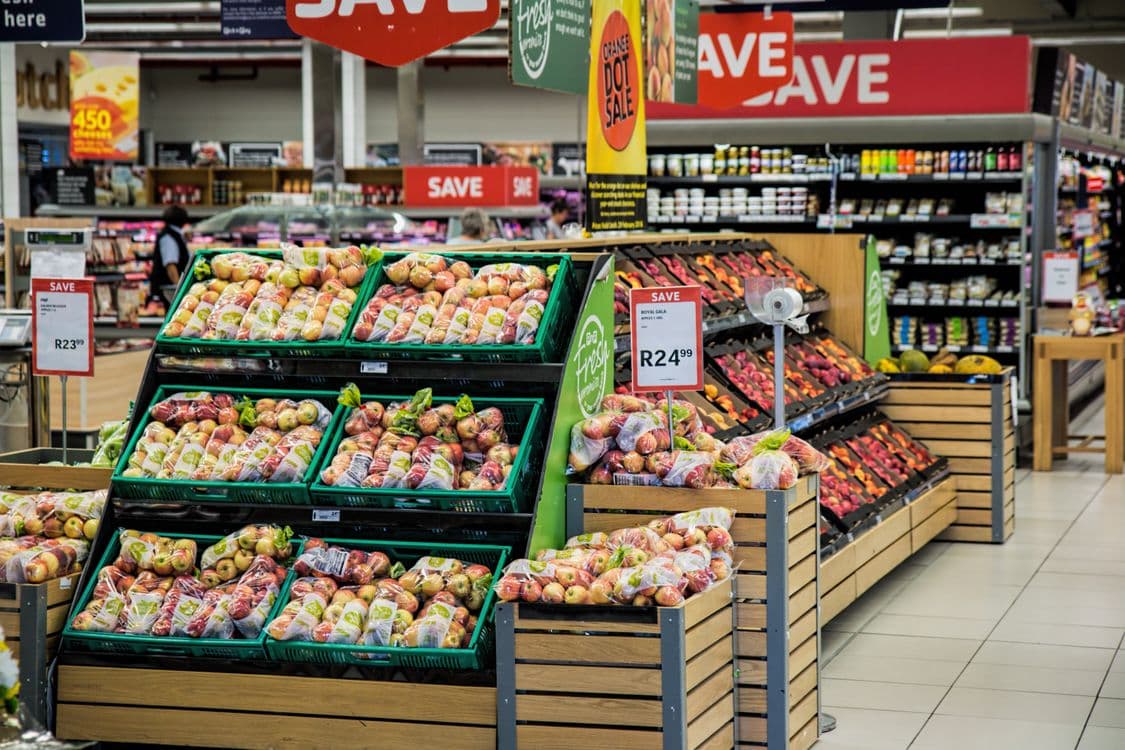
The main reason inflation did not climb was food. A slower rate of increase in the cost of food, particularly meat, dairy and vegetables, pushed food inflation to a new 17-month low and held down the headline figure. Inflation measures the pace at which prices rise, so a slowdown in one large category can steady the whole number.
The relief may prove fragile. Rising global oil and natural gas prices had re-emerged as a major risk, and analysts warned that energy costs could slow the pace at which inflation eases during the second half of 2026, even after recent falls in the oil price.
Why it matters
Inflation is the rate at which the cost of living rises, and 2.8 percent means prices are still going up, just more slowly than during the worst of the squeeze. For households, a steady figure is welcome because it suggests the pressure on budgets is not intensifying.
The number matters enormously for interest rates. The Bank of England is charged with returning inflation to a 2 percent target, and it uses interest rates to do so. Inflation that behaves itself makes it easier for the Bank to consider cutting rates, which would lower borrowing costs.
The energy risk is the reason nobody is celebrating yet. Falling food prices have been doing the hard work of keeping inflation contained. If energy costs climb, they could cancel out that progress and keep inflation stuck above target for longer than hoped.
Explained simply
Think of inflation as the speed of a car. It is not reversing, prices are still rising, but the foot has eased off the accelerator and the car is no longer speeding up.
When people say inflation is falling, they rarely mean prices are dropping. They mean prices are rising more slowly. At 2.8 percent, the cost of a typical basket of goods is still climbing, just at a gentler pace than a year ago.
Food and energy are the two pedals that control that speed. Cheaper food has been easing off the accelerator, which is why the headline number held steady. But if energy costs press back down on the pedal, the car could start speeding up again.
That is the balancing act facing the country. One pedal is lifting, the other is threatening to press. Which one wins over the coming months will decide whether inflation keeps drifting toward target or gets stuck.
What it means for you
For mortgage holders, steady inflation is quietly good news. The more confident the Bank of England becomes that inflation is under control, the sooner it can cut interest rates, which would eventually feed into cheaper fixed-rate mortgages. A borrower refinancing later this year could see meaningfully lower monthly payments if that path holds.
For savers, the picture is mixed. Easy-access accounts and Cash ISAs at major banks still pay rates comfortably above 2.8 percent, meaning cash is currently earning a real return after inflation. If rate cuts arrive, those headline savings rates would likely drift lower, so locking into a fixed-rate bond now could make sense for money you do not need soon.
For everyone, the food news is the most tangible. A 17-month low in food inflation means the weekly shop is rising in price more slowly than it has in well over a year, offering a little breathing room in household budgets that have been stretched thin.
The bigger picture
Inflation has fallen a long way from the double-digit peaks of recent years, and holding at 2.8 percent shows the disinflation is broadly on track. But the last stretch toward the 2 percent target is proving the hardest, and energy is the main obstacle.
The next thing to watch is whether the recent fall in oil prices, following signs of easing tension in the Middle East, sticks. If it does, the energy threat fades and the path back to target looks smoother. If oil rebounds, inflation could linger above target and delay the rate cuts borrowers are hoping for.


