What happened
The US Federal Reserve is expected to keep its benchmark interest rate unchanged when policymakers meet on 28 and 29 July, extending a cautious hold as inflation continues to run above the central bank 2 percent target. Futures markets put the odds of no change at well over 60 percent.
The stance marks a continuation of the message from June, when the Fed left rates steady and Chair Jerome Powell used his press conference to stress that price pressures, while easing, remained too high to justify cuts. Officials have leaned firmly into a higher-for-longer approach, keeping borrowing costs elevated to finish the job on inflation.
Recent data has given the Fed little reason to change course. The US economy has stayed resilient, with solid activity and a labour market that has cooled only gradually, reducing the urgency to loosen policy.
A minority of traders still see a small chance of a rate rise rather than a cut, a sign of how sticky inflation has kept the debate tilted away from easing.
Why it matters
The Federal Reserve sets the price of money for the worlds largest economy, and its decisions ripple across the globe. Because so much international trade and borrowing is done in dollars, what the Fed does affects mortgage rates, currencies and share prices far beyond American shores.
A decision to hold signals that the Fed is not yet convinced inflation is beaten. That keeps US borrowing costs high, which tends to support the dollar and can put pressure on other currencies, including the pound.
For global stock markets, the higher-for-longer message is a double-edged sword. Elevated rates make safe assets such as government bonds more attractive relative to shares, which can cap how high stock prices climb.
The Fed stance also shapes what other central banks, including the Bank of England and the European Central Bank, feel able to do, because moving too far out of step can unsettle currencies and capital flows.
Explained simply
Think of the Federal Reserve as the referee who controls the pace of a football match. By keeping rates high, it is deliberately slowing the game down, cooling an economy that could otherwise overheat and send prices sprinting away.
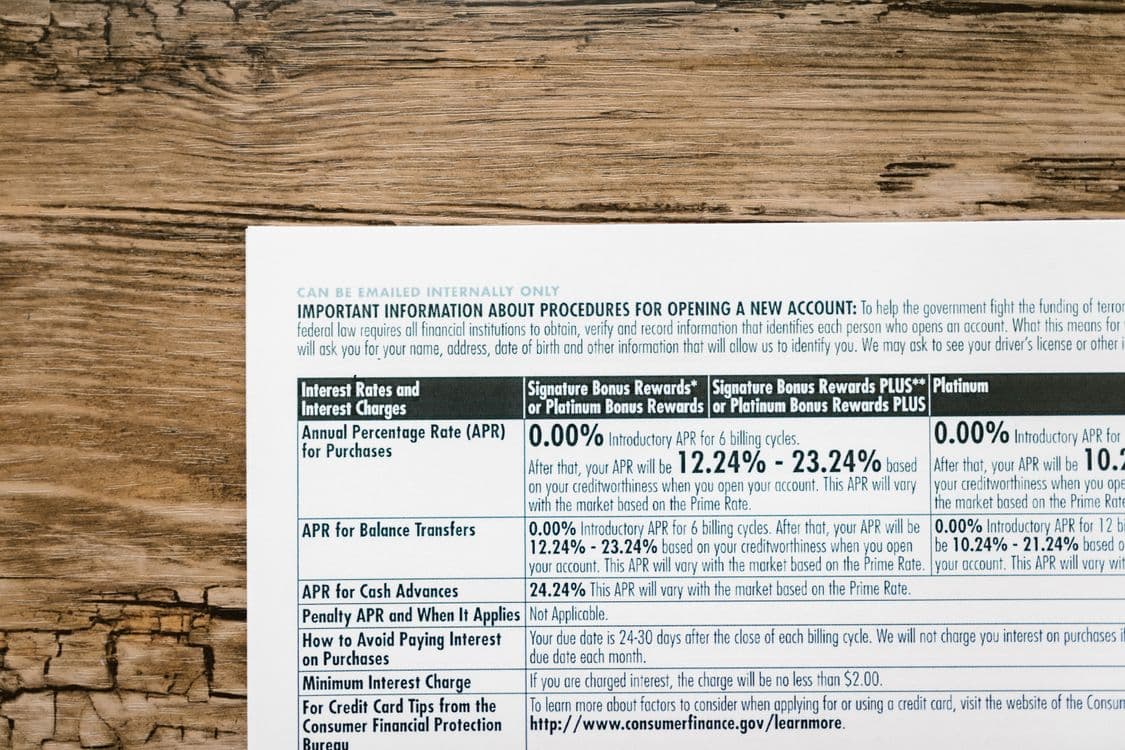
When the Fed raises or holds interest rates high, it makes borrowing more expensive for everyone, from families with credit cards to companies taking out loans. That cools spending, which in turn takes the heat out of rising prices.
The phrase higher-for-longer simply means the Fed plans to keep rates elevated for an extended period rather than cutting them quickly. It is choosing patience, wanting to be sure inflation is truly under control before easing off.
The risk is timing. Keep rates too high for too long and the economy can slow more than intended, tipping towards recession. Cut too early and inflation can flare back up. The Fed hold is its way of buying time to get that judgement right.
What it means for you
For UK borrowers and savers, the Fed matters through the exchange rate. High US rates tend to strengthen the dollar against the pound, which makes dollar-priced goods, from fuel to imported technology, more expensive for British buyers and pricier for anyone travelling to the United States.
For investors, a Fed on hold helps explain why cash and bonds remain relatively attractive. Money-market funds and US government bonds continue to offer solid yields, which is one reason some savers have shifted cash into them rather than chasing shares.
If you hold a US or global index fund in an ISA or pension, the Fed stance is a key backdrop for returns. Higher-for-longer rates can limit how far US shares rise, so steady rather than spectacular gains may be the order of the day.
For anyone with a variable-rate dollar loan or US-linked finance, the hold means no relief yet, with borrowing costs staying near their current elevated level for now.
The bigger picture
The Fed is in the final and trickiest stretch of its inflation fight. Getting the rate from the highs of recent years back towards 2 percent has proved slower than the last leg, and energy prices tied to Middle East tensions are complicating the picture just as they are for Europe.
The question dominating markets is when the first cut will come. Every meeting is now scrutinised for hints, and Powell choice of words on 29 July will be parsed closely for any softening in the higher-for-longer message.
For readers, the signals to watch are US inflation and jobs data over the coming weeks. A run of softer numbers would revive talk of cuts; another sticky reading would keep the Fed exactly where it is.


