What happened
UK consumer price inflation fell to 2.6 percent in the year to June 2026, down from 2.8 percent in May and reaching its lowest level in 14 months. The figure came in below the consensus forecast of 2.7 percent.
The main driver was fuel. Petrol and diesel prices dropped by 3.1 percent over the month, pulling down the headline rate. Food and drink inflation also eased, slowing to 1.7 percent, its lowest since August 2024.
The reading offers welcome relief after several years in which the cost of living rose far faster than the Bank of England target of 2 percent. It suggests the long squeeze on household budgets is continuing to loosen, at least for now.
There is a note of caution, however. The data covers June, before the latest spike in global oil prices, which could push fuel costs back up in the months ahead.
Why it matters
Inflation measures how fast prices are rising, and it touches almost every part of daily life, from the weekly shop to the cost of running a car. A lower rate means prices are still going up, but more slowly than before.
A fall to 2.6 percent is significant because it brings inflation within touching distance of the Bank of England target of 2 percent. The closer it gets, the stronger the case for the Bank to cut interest rates and ease the cost of borrowing.
For households, cooler inflation means wages have a better chance of stretching further. When pay rises outpace price rises, living standards improve rather than erode.
The improvement in food inflation is especially meaningful for lower-income families, who spend a larger share of their budget on essentials and feel grocery price moves most acutely.
Explained simply
Think of inflation as the speed of a train that only ever moves forward. It is not reversing, so prices are not falling, but the driver has eased off the throttle and the journey now feels far less jarring.
When inflation was high, prices raced ahead and each pound in your pocket bought noticeably less each month. Now that inflation has slowed to 2.6 percent, prices are still climbing, but at a gentle pace that is much easier for wages to keep up with.
The reason this reading improved is mainly fuel. When the cost of filling a tank falls, it lowers the price of getting goods to shops and people to work, which ripples through the wider economy and pulls the overall figure down.
The catch is that the same mechanism works in reverse. If oil prices climb, as they have started to do since this data was collected, fuel could push inflation back up in future months.
What it means for you
The most important effect is on interest rates. With inflation easing, the Bank of England, which meets on 30 July, faces growing pressure to consider a rate cut, which over time could lower the cost of mortgages and loans.
If you are on a tracker or variable mortgage, a future cut could reduce your monthly payments, though nothing is guaranteed while oil prices remain a threat. Someone with a 200,000 pound mortgage could save meaningfully if rates fall even modestly.
Savers face the flip side. Easy-access accounts currently paying around 4 percent could see rates edge lower if the Bank cuts, so locking into a competitive fixed-rate savings bond now may protect your return.
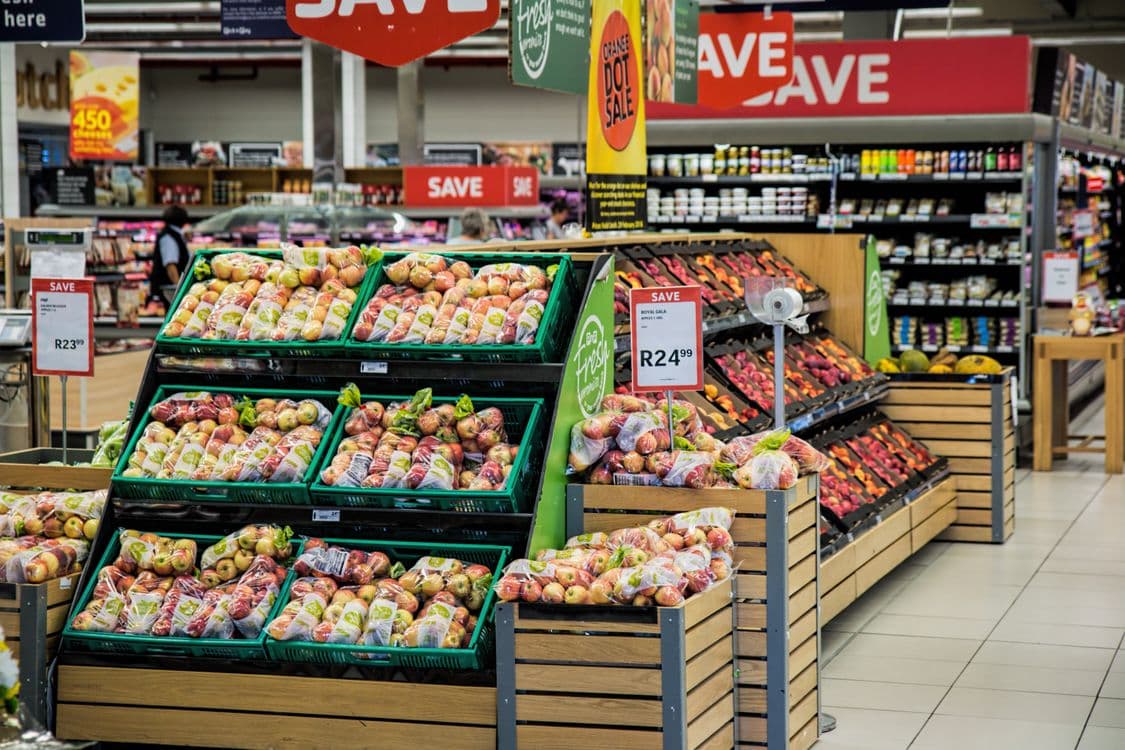
At the supermarket, slowing food inflation of 1.7 percent means grocery bills are rising far more gently than in recent years, offering some breathing room for weekly budgets after a long and painful squeeze.
The bigger picture
The UK has travelled a long way from the double-digit inflation seen at the peak of the cost-of-living crisis. A rate of 2.6 percent shows the disinflation trend remains intact, even if the final stretch to 2 percent is proving gradual.
The big risk on the horizon is energy. The recent jump in global oil prices threatens to interrupt the improvement, and the Bank of England will weigh that carefully before deciding how fast to cut rates.
Watch the Bank of England decision on 30 July and the next inflation reading closely. Together they will show whether this milestone marks the start of cheaper borrowing or merely a pause before energy costs bite again.


