What happened
The Federal Reserve is widely expected to leave its benchmark interest rate unchanged at a range of 3.50 to 3.75 percent when it announces its decision next Wednesday. According to the CME FedWatch tool, which tracks market bets, traders put the odds of no change at roughly 89 percent.
The US central bank has been cautious, waiting for clearer evidence that inflation is firmly under control before cutting further. Recent developments in the Middle East and the jump in oil prices have added to the case for patience, since higher energy costs could push inflation back up.
The decision comes in the same week that the European Central Bank held its own rates steady, underlining a broadly cautious mood among the major central banks. Investors will scrutinise the Fed statement and the remarks from Chair Jerome Powell for hints on when cuts might finally arrive.
Why it matters
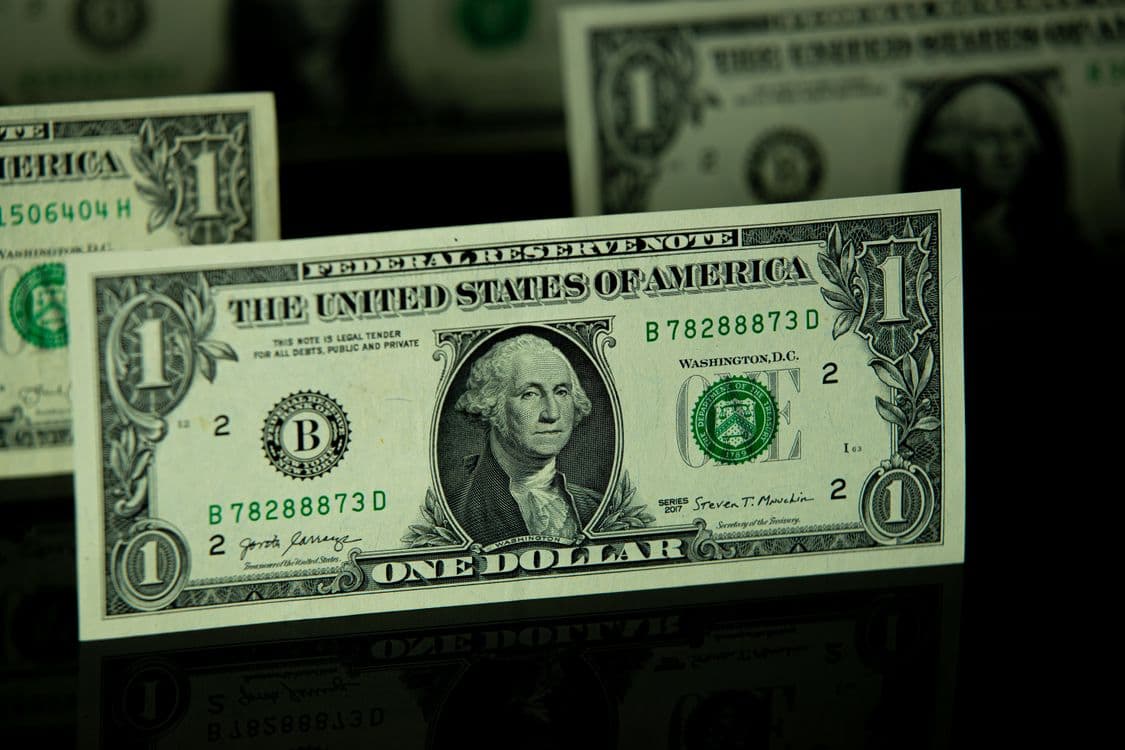
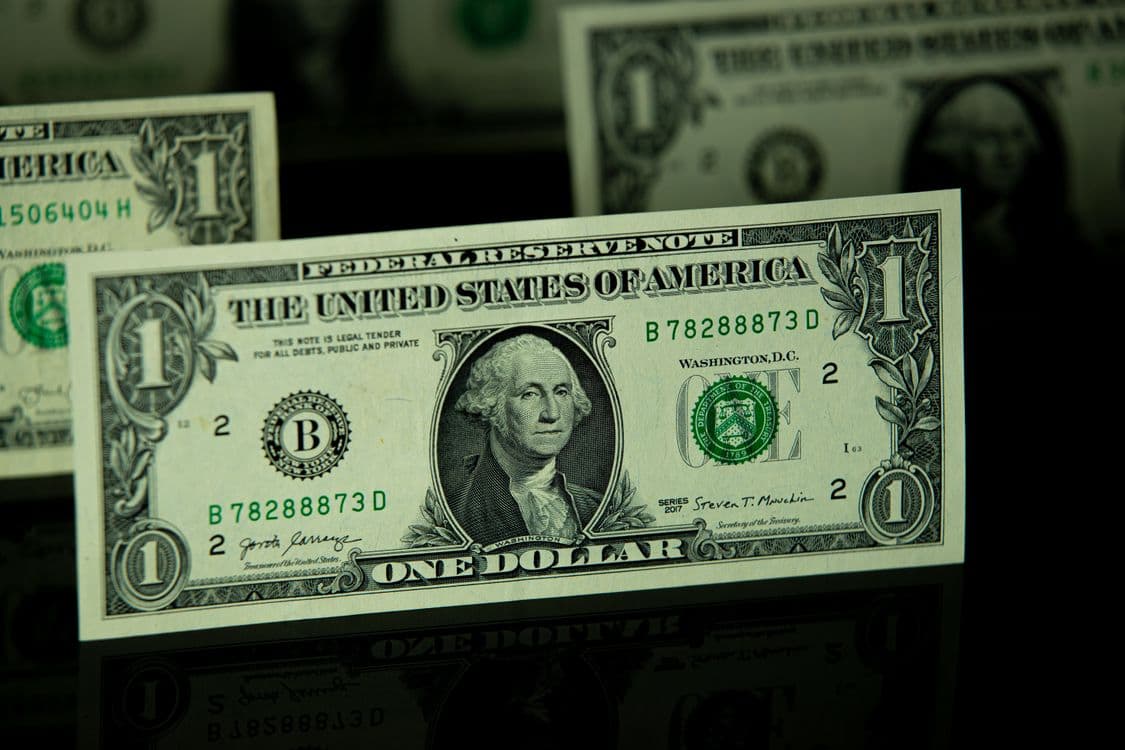
The Federal Reserve sets the price of money for the largest economy in the world, and its decisions ripple across the globe. Because so much international finance is priced in dollars, what the Fed does affects borrowing costs far beyond American shores.
A hold means the era of cheaper US borrowing is still on pause. For American households, mortgage and credit card rates stay elevated; for the rest of the world, it keeps the dollar firm and shapes the cost of dollar debt.
The signals matter as much as the decision itself. If Powell hints that cuts are coming soon, markets may rally; if he stresses the risks from oil and inflation, investors could brace for higher rates lasting well into next year.
Explained simply
Think of the Federal Reserve as the conductor of a global orchestra: even though it plays only the American instruments, every other player in the world adjusts to keep in time with its beat.
Interest rates are the main tool the Fed uses to steer the economy. Raising them cools spending and tames inflation; cutting them encourages borrowing and growth. Holding them steady, as expected next week, signals that the Fed thinks the current setting is about right.
The dollar is what makes the Fed so powerful abroad. A huge share of global trade, loans and commodities is priced in dollars, so when US rates stay high, it becomes more expensive for everyone else to borrow in the dominant global currency.
That is why a decision made in Washington can raise a mortgage rate in London or a company loan in Frankfurt. The Fed does not control those rates directly, but it sets the tone that global markets follow.
What it means for you
For UK borrowers, US rate decisions feed into the pricing of fixed-rate mortgages, because lenders watch global bond markets that the Fed heavily influences. A Fed that stays on hold makes a near-term drop in UK fixed-rate deals less likely.
If you hold US shares or a global tracker, a steady Fed is generally reassuring, but any surprise in the tone from Powell could move markets sharply. Dollar strength also affects the value of your overseas holdings when converted back into pounds.
For anyone planning a trip to the United States, a firm dollar means your pounds buy fewer dollars, so budget a little more for spending money if the Fed keeps rates high and the currency stays strong.
The bigger picture
The Fed is trying to engineer a soft landing, cooling inflation without tipping the economy into recession. Holding rates steady buys time to see whether the recent oil-driven price pressures fade or take hold.
Watch next weeks statement and the following inflation data. If price pressures ease, the first US rate cut could come into view before the year is out; if oil keeps climbing, the Fed may keep rates on hold well into 2027.