What happened
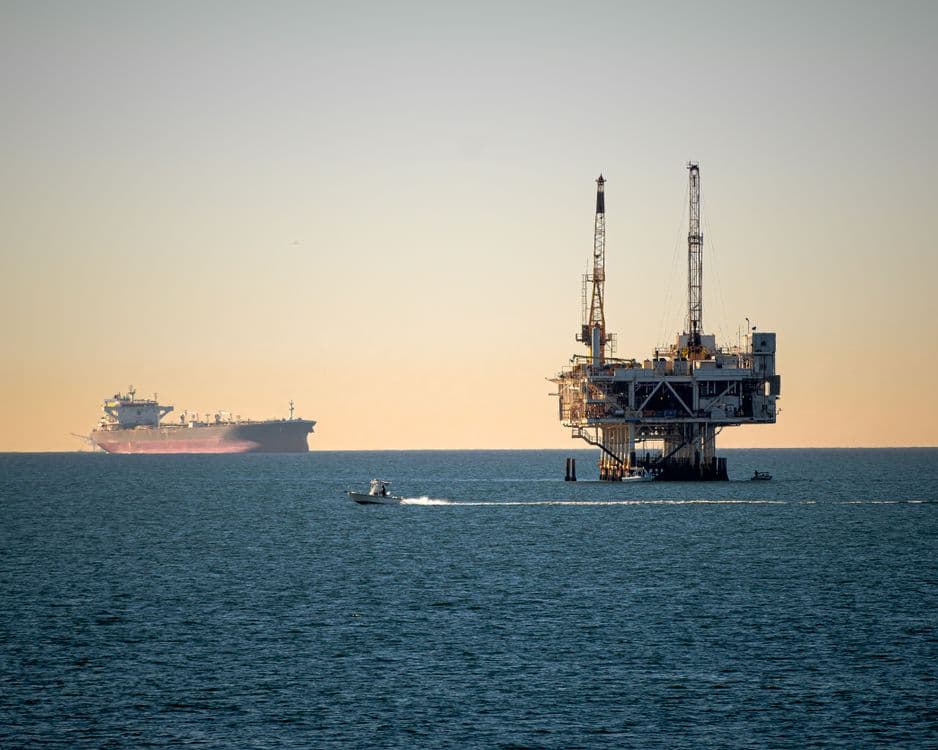
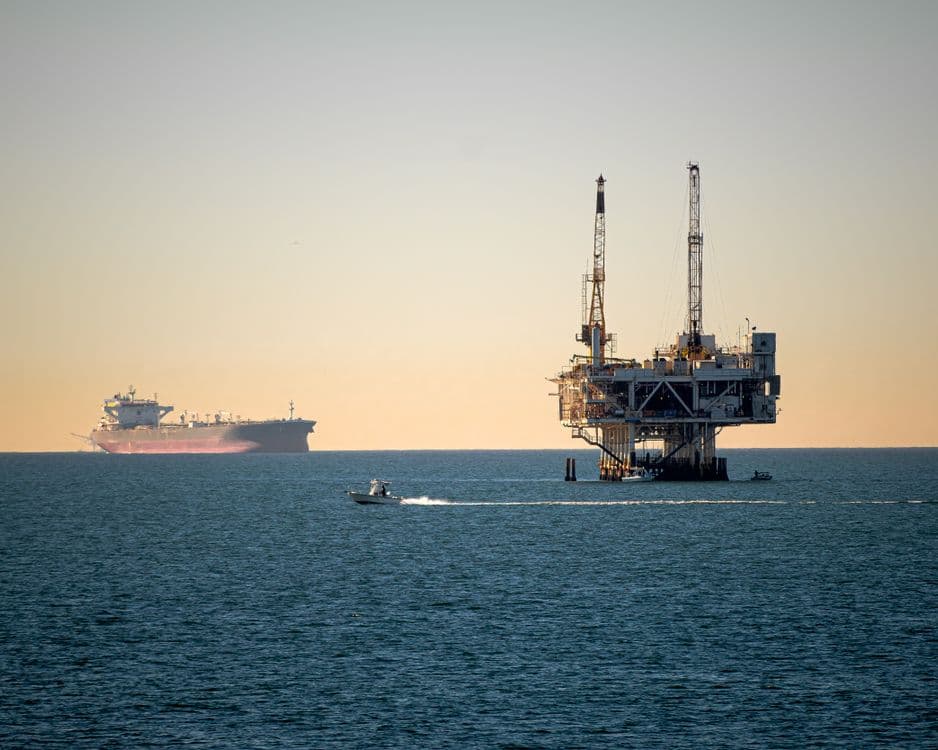
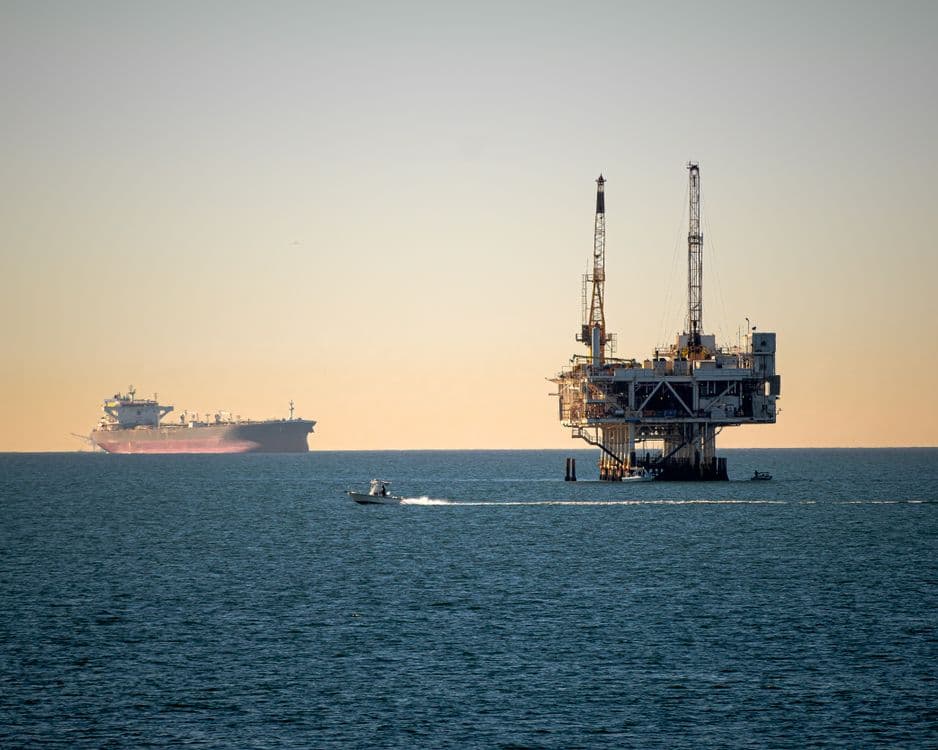
Brent crude, the global benchmark for oil, has surged around 13.7 percent over the past five trading days as the conflict between the United States and Iran escalates. The trigger was a US move to reinstitute a naval blockade of Iranian ports and propose a 20 percent fee to guard ships passing through the Strait of Hormuz.
The Strait of Hormuz is the single most important chokepoint in the oil market, the narrow sea lane through which a large share of the worlds seaborne crude must travel. Any threat to traffic there sends an immediate jolt through prices because traders fear supply could be disrupted.
Gold, often a shelter in times of crisis, has behaved unusually, easing back toward 4,000 dollars an ounce even as tension rose. Investors have been selling some gold on bets that higher oil could keep interest rates elevated, which reduces the appeal of an asset that pays no income.
Why it matters
Oil is the raw material behind far more than petrol. It feeds into the cost of transport, manufacturing, farming and heating, so when crude jumps, the effect eventually spreads across a huge range of everyday prices.
For the UK, which imports much of its oil and gas, a sustained rise is especially painful. It pushes up the cost of filling the car, raises business costs that get passed to shoppers, and threatens to reverse the recent fall in inflation just as households were getting some relief.
It also complicates life for central banks. Higher energy prices lift inflation, which makes it harder for the Bank of England and the Federal Reserve to cut interest rates, keeping borrowing costs higher for longer.
Explained simply
Think of the Strait of Hormuz as a single narrow doorway that much of the worlds oil has to squeeze through. Threaten to jam that doorway and everyone in the room starts paying more, whether or not a single barrel is actually blocked.
Oil prices are set by the balance between supply and demand, but they are also driven by fear of future shortages. When a key shipping route is threatened, traders do not wait for supplies to actually fall, they bid prices up now to secure barrels before any disruption hits.
A blockade and a shipping fee raise the cost and risk of moving oil through the region, so buyers scramble and prices spike. Even the possibility of disruption is enough to move the market sharply, because oil is a global commodity where a threat anywhere lifts prices everywhere.
Gold usually rises in a crisis, so its slide is a telling twist. Because oil driven inflation could keep interest rates high, and high rates make holding non income assets like gold less attractive, some investors are choosing cash and bonds over bullion this time.
What it means for you
The fastest hit is at the petrol pump. A near 14 percent jump in crude typically feeds through to forecourt prices within a week or two, adding several pence per litre and pushing up the cost of every fill up.
Your energy bills are next in line. Britain sets its household price cap partly on wholesale gas, which tends to move with oil, so a sustained rise raises the risk that the next cap adjustment climbs rather than falls.
For investors, the move helps energy shares and any FTSE 100 tracker, since the UK index is heavy with oil majors like Shell and BP that benefit from higher crude. That is one reason the FTSE 100 can hold up even when higher oil is bad news for the wider economy.
The bigger picture
Energy shocks have a long history of derailing progress on inflation, and this one lands just as UK price growth had cooled to 2.6 percent. If crude stays elevated, the improvement households have felt at the shops could prove short lived.
The key question is whether the blockade and the tension around the Strait of Hormuz persist or ease. Watch the oil price over the coming days, because a quick de-escalation would let prices fall back, while a prolonged standoff would ripple through petrol, bills and interest rate expectations for months.