What happened
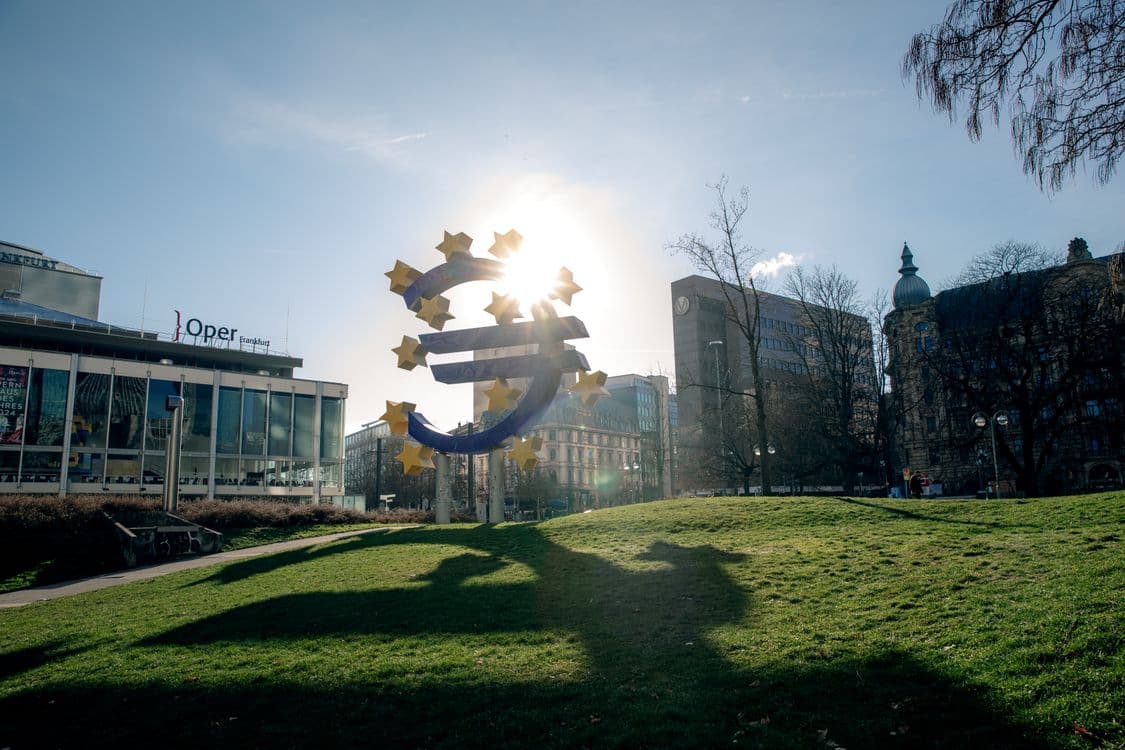
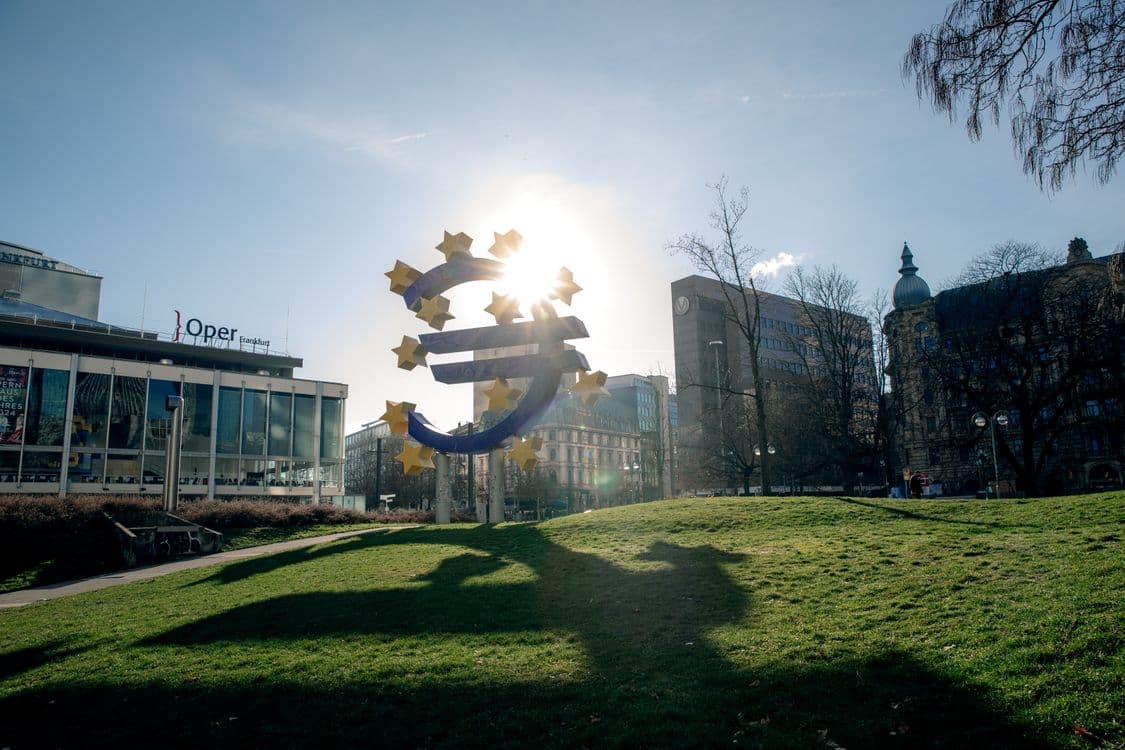
The European Central Bank kept its three key interest rates unchanged on 23 July, leaving the closely watched deposit rate at 2.25 percent. The decision by the Governing Council, the ECBs rate setting body, followed a quarter point rise in June that was its first increase since 2023.
The ECB sets monetary policy for the 20 countries that use the euro, from Germany and France to Ireland and Greece. President Christine Lagarde and her colleagues opted to pause and assess rather than move again so soon.
July is what the bank calls a non projection meeting, meaning it does not publish fresh economic forecasts. Those only come in March, June, September and December, which raises the bar for changing policy in between.
Behind the caution sits an energy shock. A conflict involving the United States and Iran that began in late February sent oil prices surging and pushed energy costs across Europe sharply higher, complicating the inflation picture.
Why it matters
The deposit rate is the return banks earn for parking money at the ECB overnight, and it anchors borrowing costs across the eurozone. When it rises, mortgages, business loans and savings rates tend to follow.
By holding after Junes hike, the ECB is signalling it wants to see how the energy shock plays out before tightening further. Move too hard and it risks strangling a fragile recovery. Do too little and it risks letting inflation take hold.
The eurozone is Britains largest trading partner, so what happens to European growth and the euro feeds directly into UK exporters order books and the prices British shoppers pay for imported goods.
For the roughly 350 million people who use the euro, the hold means borrowing costs stay where they are for now, neither cheaper nor dearer than last month.
Explained simply
Picture the ECB as a chef tasting a soup that someone keeps salting from outside the kitchen. The salt is the oil price, and the chef holds the spoon steady until she can tell how salty the dish will really become.
Central banks raise rates to cool an economy and lower them to warm it up. The ECB nudged rates up in June because the energy shock threatened to push prices too high. Now it is pausing to judge how big and lasting that shock will be.
The problem is that an energy price rise is not the usual kind of inflation. It comes from outside the economy, driven by war and supply, not by people spending too freely at home. Raising rates cannot lower the oil price, but it can stop high energy costs from spreading into wages and other prices.
So the ECB waits. It has one hand near the salt shaker, ready to act if the inflationary taste lingers, but unwilling to over season the dish before it knows the outcome.
What it means for you
For UK residents the most direct link is the euro exchange rate. A steady ECB tends to keep the euro stable against the pound, which affects the cost of a holiday in Spain or France and the price of European wine, cars and food on British shelves.
If you hold a European equity fund or a global tracker, ECB decisions move eurozone banks and exporters. A patient central bank generally supports share prices by avoiding sudden shocks.
Anyone with a second home or savings in the eurozone will see rates on euro accounts hold near current levels, so there is no immediate reason to switch products.
And because European energy prices ripple across the continent and into global markets, a prolonged shock could keep the cost of imported gas and goods elevated for UK households too.
The bigger picture
The June rise was a turning point, ending a long stretch in which the ECB either cut or held. That it followed up with a pause shows how uncertain the outlook has become.
The key question is the intensity and duration of the energy shock. If oil falls back as tensions cool, the ECB may not need to raise again. If prices stay high, further tightening is possible at the September meeting, when fresh forecasts land.
Watch Lagardes comments and the next batch of eurozone inflation data for clues on which way the Governing Council leans.