What happened
The Federal Reserve is widely expected to keep its benchmark interest rate at a range of 3.5 to 3.75 percent when its policy committee meets on 28 and 29 July, according to economists polled by FactSet. A hold would mark the fifth consecutive meeting without a change.
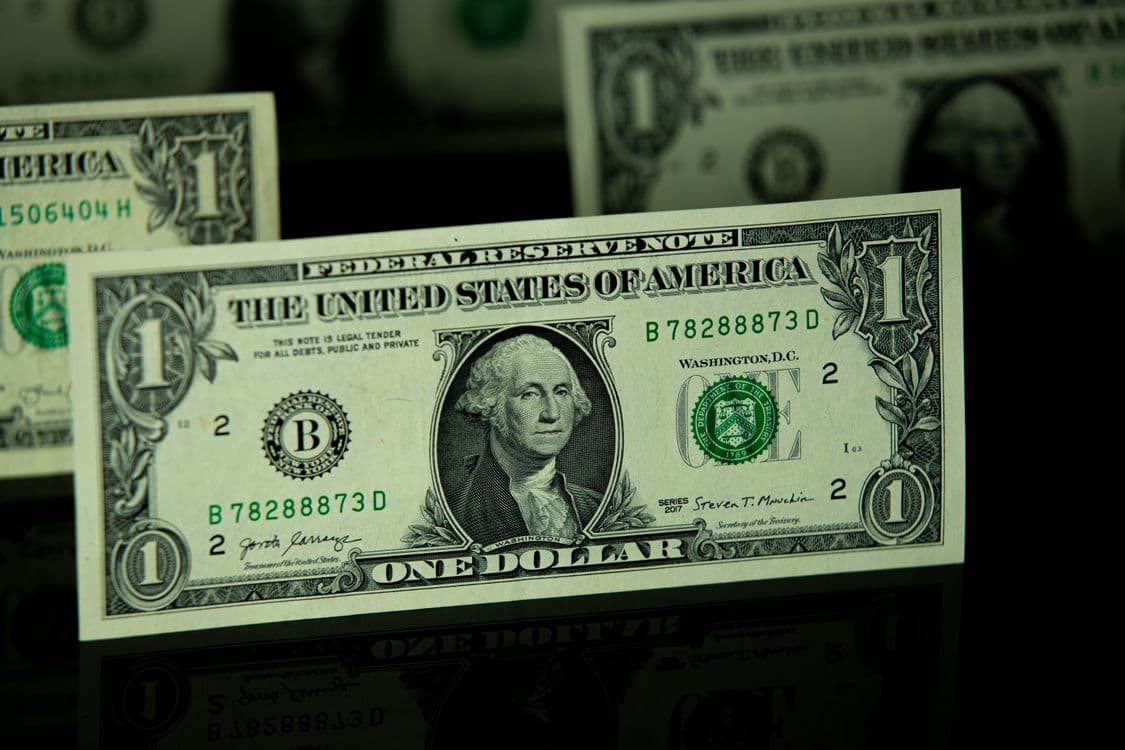
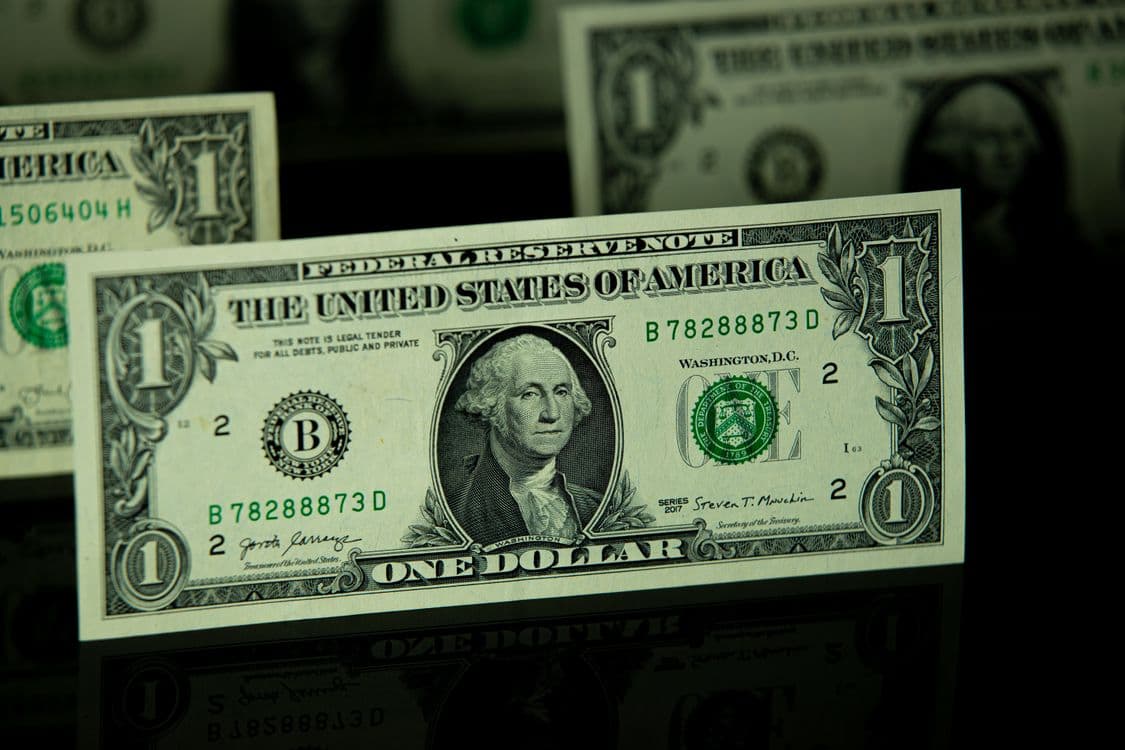
The central bank sets the price of borrowing for the worlds largest economy, and its decisions influence everything from US mortgage rates to the value of the dollar. The Federal Open Market Committee, the group of officials who vote on rates, has kept policy on ice all year as it waits for clearer signals on inflation.
Under Chair Kevin Warsh, the Fed has stepped back from the detailed forward guidance markets once relied on, leaving investors to read the data for themselves. Cooling June figures for consumer and producer prices have strengthened the case for standing still.
Yet a fresh complication has appeared. Oil above 100 dollars a barrel, driven by conflict in the Middle East, has revived talk of a rate rise later in the year. Market pricing puts the odds of a hike before December at around 38 percent, up sharply from 12 percent a week earlier.
Why it matters
The Fed funds rate is the single most important number in global finance. Because so much of the world borrows and lends in dollars, when the Fed holds or moves, the effect spreads far beyond America.
A steady rate means the cost of dollar borrowing stays put for now. That is a relief for companies with dollar debt and for governments in developing economies, but it also means Americans hoping for cheaper loans will keep waiting.
Inflation has run above the Feds 2 percent target for five years, and officials are wary of cutting too soon only to see prices reignite. The surge in energy costs makes that fear sharper, because dearer oil feeds through into petrol, transport and the price of almost everything that has to be shipped.
For savers and borrowers the message is patience. Rates are not falling yet, and if oil stays high they could even edge up.
Explained simply
Think of the Fed as the driver of a very heavy lorry on a long hill. It is keeping a steady foot on the brake, not because the road is dangerous now, but because it does not want the load to run away downhill later.
When the economy runs hot and prices rise too fast, the central bank raises rates to make borrowing dearer, which cools spending. When growth stalls, it cuts rates to make money cheaper and get people spending again.
Right now the Fed is doing neither. It is holding rates level because the signals point in opposite directions. Falling inflation says it could ease off, but expensive oil says it should stay firm. When the evidence is mixed, central bankers usually wait.
The tricky part is that rate changes take many months to bite. Move too late and inflation is already loose. Move too early and you choke off growth. So the Fed watches the road far ahead, not just the bumper in front.
What it means for you
In the UK you do not borrow at US rates, but the Fed still reaches your wallet. A steady dollar helps keep the pound and import prices stable, which matters for the cost of fuel, food and electronics.
If you hold a FTSE 100 tracker or a global pension fund, US rate decisions move the American shares that dominate world indices. A Fed that stays patient tends to support share prices, while a surprise hike can knock them.
Savers chasing the best returns should note that dollar rates staying high keeps global savings yields elevated too. Easy-access accounts and fixed-rate bonds are unlikely to see sharp cuts while the Fed holds firm.
Anyone planning to buy dollars for travel or investment gets no relief either way. A stable Fed usually means a stable exchange rate, so there is little reason to rush or delay.
The bigger picture
This would be the fifth straight hold, a long pause by recent standards. The last few years have been dominated by the fight against inflation, and the Fed is reluctant to declare victory while energy prices swing on geopolitics.
The next test is September, when markets already price an 82 percent chance of a move. Much depends on whether oil stays above 100 dollars or falls back as tensions ease.
Watch the language after Wednesdays decision. With formal guidance gone, every phrase from Chair Warsh will be picked apart for hints on what comes next.