What happened
UK inflation eased to 2.6 percent in the year to June, down from 2.8 percent in May and lower than the 2.7 percent economists had expected. It was the slowest pace of price rises since March 2025 and a welcome surprise for households and policymakers alike.
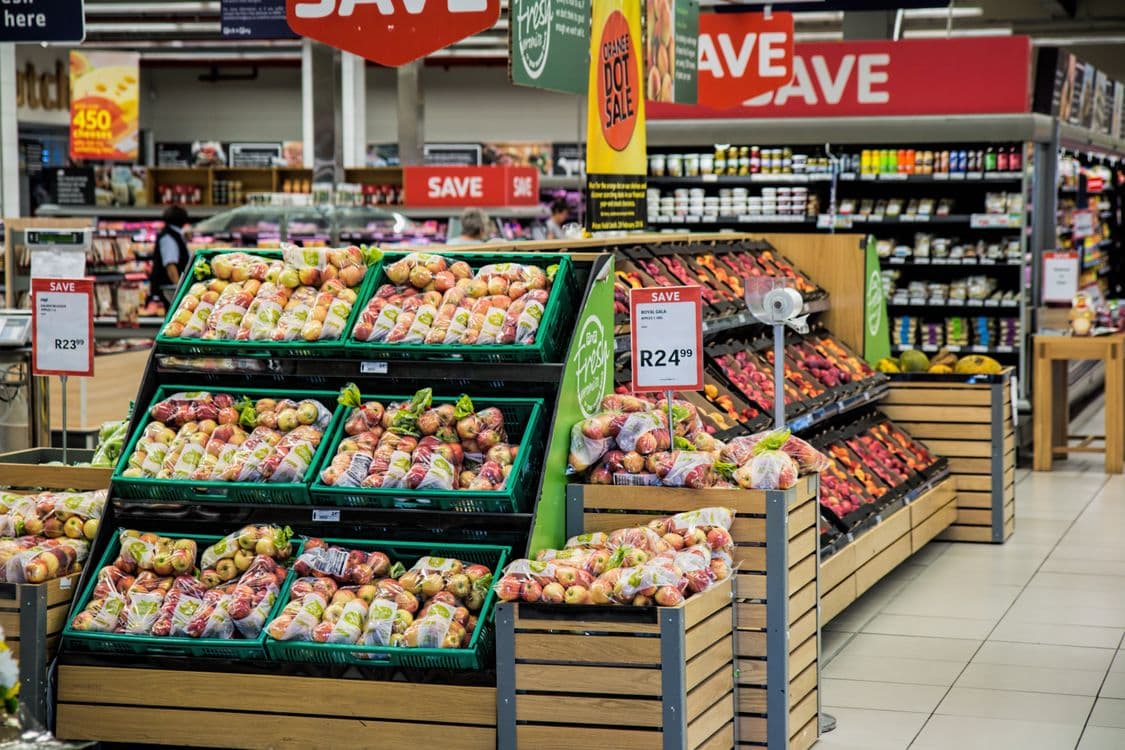
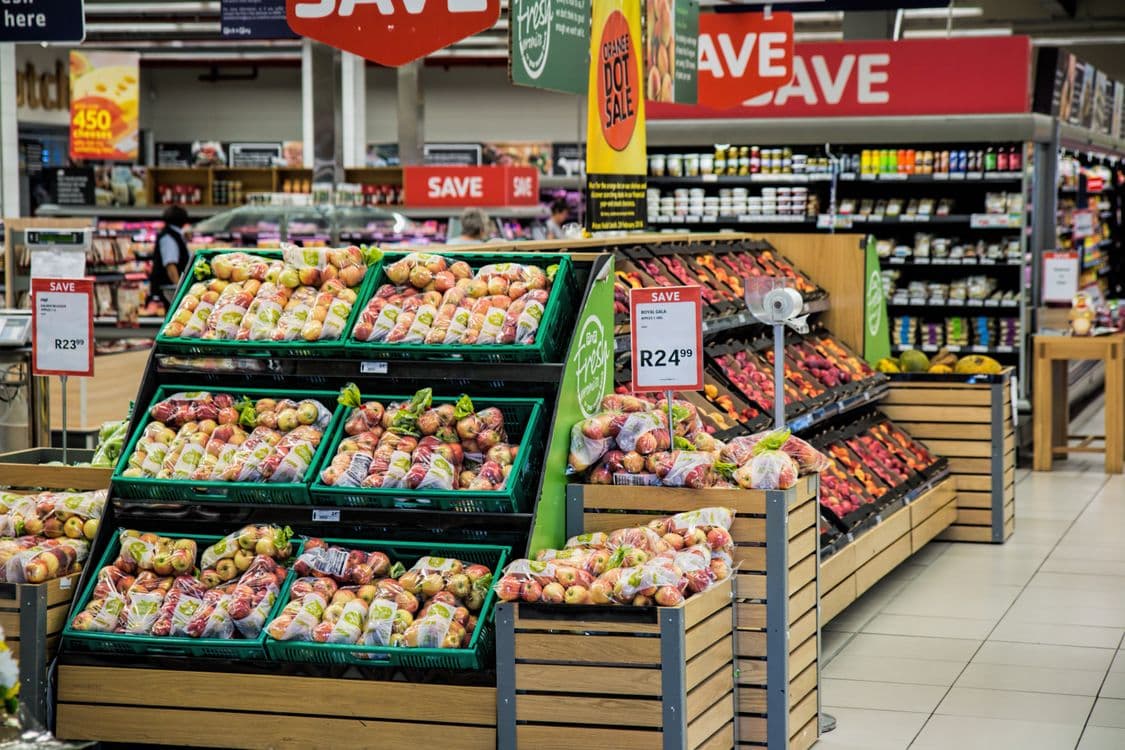
The biggest driver was cheaper transport, especially motor fuels, with diesel leading the fall. Food inflation also cooled sharply, dropping to 1.7 percent, the lowest reading since August 2024, from 2.2 percent the month before. Together these pulled the headline rate down more than forecast.
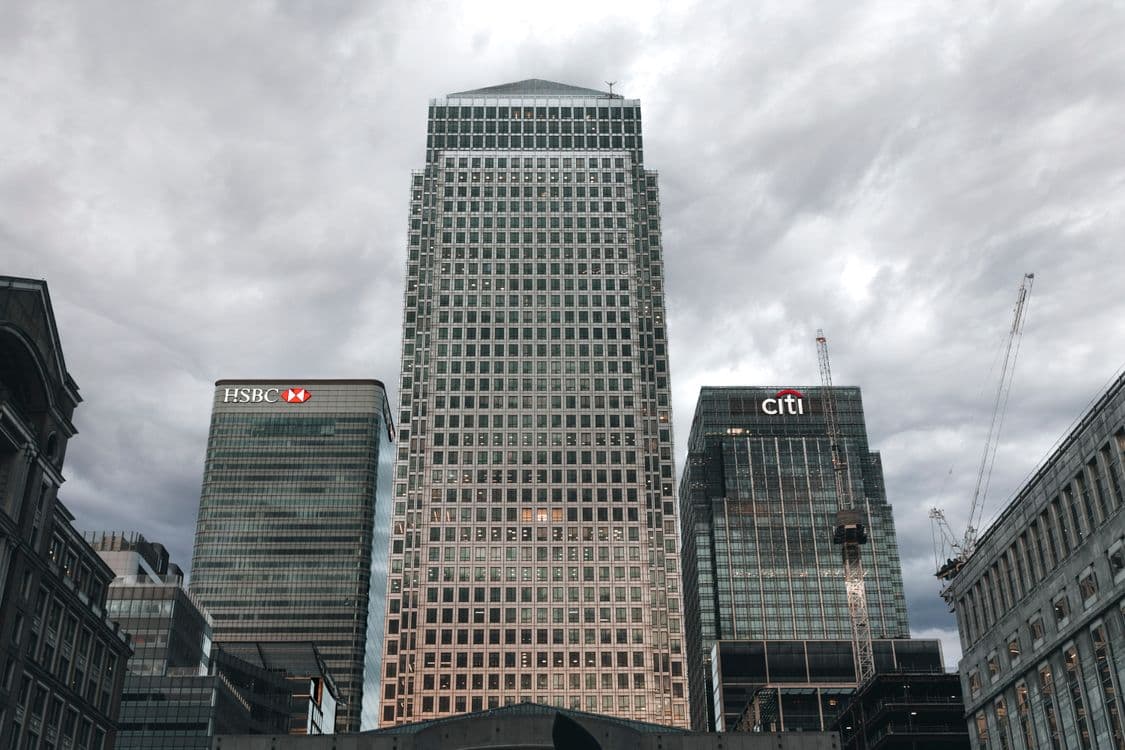
The timing is significant. The Bank of England announces its next interest rate decision on 30 July, and a softer inflation figure strengthens the case for a cut. The Bank has held its key rate at 3.75 percent since June, when it voted 7 to 2 to keep policy unchanged.
Why it matters
Inflation measures how fast the prices of everyday goods and services are rising. When it falls, it means your money is losing value more slowly, which is good news for anyone trying to make a wage or a pension stretch further.
At 2.6 percent, inflation is now close to the Bank of Englands official 2 percent target. That matters because the Bank raises interest rates to fight high inflation and can lower them once price pressures ease. A drop like this makes a rate cut more likely, which would reduce borrowing costs across the economy.
There is a catch, however. Household energy bills rose on 1 July when the new Ofgem price cap took effect, and many economists expect that to push inflation back up in the months ahead. So June may prove to be a temporary low point rather than the start of a steady decline.
Explained simply
Think of inflation as the speed at which prices are climbing a hill. At 2.6 percent the climb has slowed to a gentle walk, but a rise in energy bills could tip the path uphill again before long.
The inflation rate does not measure whether prices are high or low, but how fast they are changing compared with a year earlier. A rate of 2.6 percent means the typical basket of goods costs 2.6 percent more than it did in June last year.
When that number falls, it does not mean prices are dropping, only that they are rising less quickly. That is why shopping can still feel expensive even as the headline rate cools. The Bank of England aims for a steady 2 percent, seen as low enough to be barely noticeable but high enough to keep the economy moving.
The reason central bankers obsess over this figure is that it drives interest rate decisions. Cooler inflation gives the Bank licence to make borrowing cheaper, while a rebound would force it to keep rates high to avoid prices spiralling.
What it means for you
If the Bank cuts rates on 30 July, the most immediate winners are borrowers. Tracker and variable rate mortgages fall almost straight away, and a quarter point cut on a 200,000 pound mortgage could save very roughly 25 to 30 pounds a month.
Fixed rate mortgage deals could also become cheaper if markets grow confident that more cuts are coming, which would help anyone remortgaging later this year. It is worth watching the best buy tables closely in the days after the decision.
Savers face the opposite risk. Easy access accounts currently paying around 4.5 percent could start to edge lower if the Bank begins cutting, so locking into a competitive fixed rate savings bond now may make sense for cash you will not need soon.
The bigger picture
The UK has travelled a long way from the double digit inflation of 2022 and 2023, when soaring energy and food prices squeezed millions of households. Getting the rate back down towards target has been the central economic story of the past two years.
The question now is whether June marks a durable improvement or a brief dip before energy costs bite again. Watch the July inflation figure and the Bank of Englands language on 30 July. If policymakers sound confident, more rate cuts could follow. If they warn about energy, they may hold fire despite the encouraging June number.