What happened
Markets put the odds of the Federal Reserve holding rates steady at 61.3 percent as its two day meeting opens on 28 July, with the decision due at 2pm Eastern on Wednesday 29 July. The benchmark federal funds rate currently sits in a range of 3.50 to 3.75 percent, unchanged since the last cut earlier in the cycle.
The Federal Open Market Committee, the group of officials who set US rates, left policy unchanged at its June meeting and has signalled it is in no rush to move again. Fresh data has strengthened that stance: June consumer price inflation came in at 3.5 percent year over year, with core inflation, which strips out volatile food and energy, at 2.6 percent.
Both figures sit above the Feds 2 percent target, reinforcing what officials call a higher for longer approach. Notably, this meeting will not include an updated Summary of Economic Projections, the quarterly forecast that usually moves markets, so attention will fall entirely on the wording of the statement and the tone of the press conference.
Why it matters
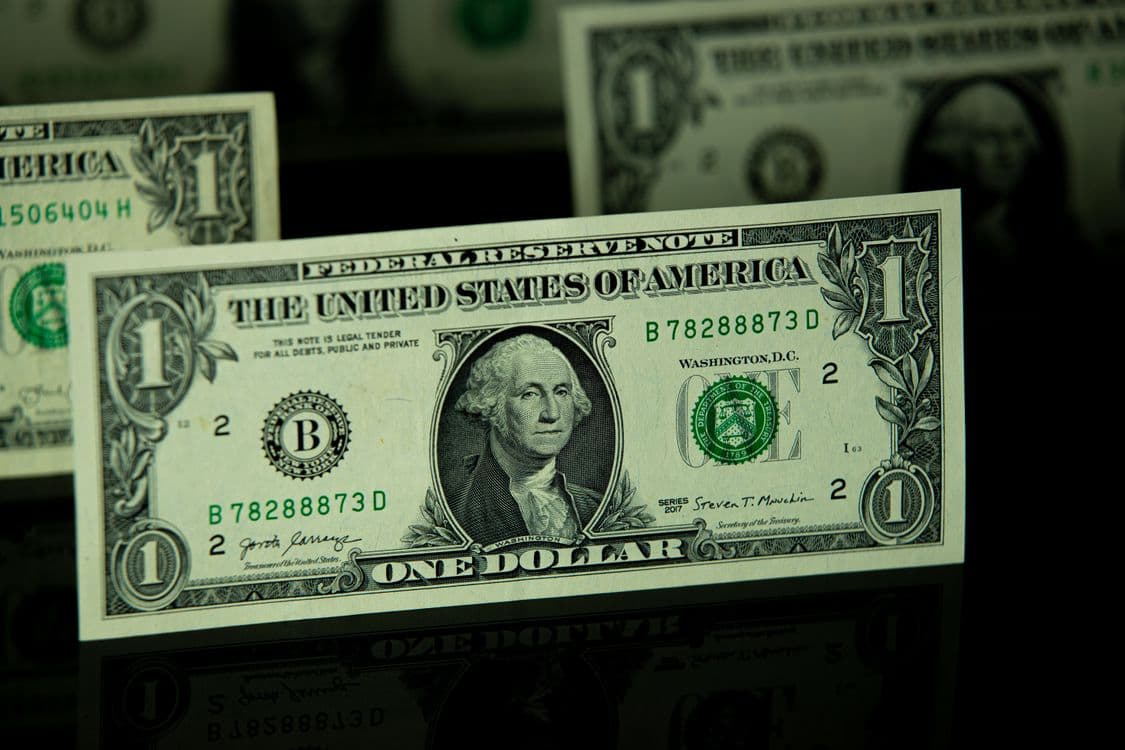
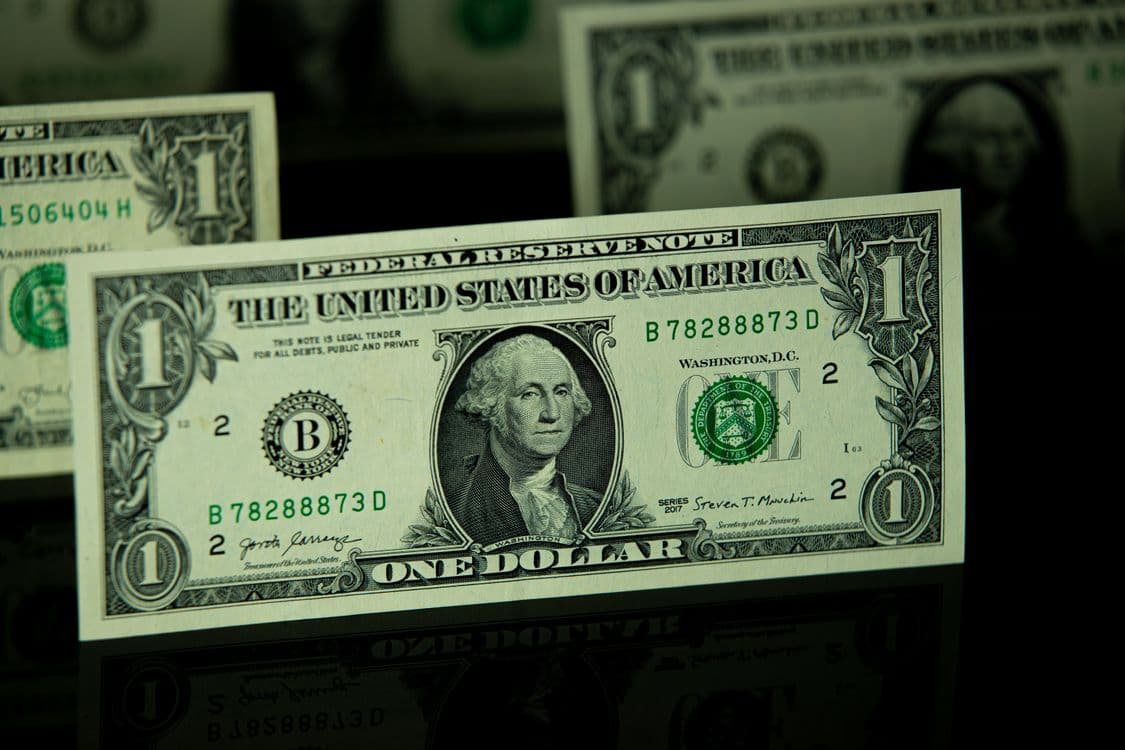
The Federal Reserve sets the price of borrowing for the worlds largest economy, and its decisions ripple far beyond America. When US rates stay high, the dollar tends to stay strong, which makes imports priced in dollars, from oil to electronics, more expensive for everyone else.
High US rates also set a floor under global borrowing costs. Mortgage rates, business loans and credit card charges around the world take their cue from what the Fed does. A pause signals that policymakers still see inflation as the bigger danger than a slowing jobs market.
For investors, a steady Fed removes one source of uncertainty but also delays the cheaper money that stock and bond markets have been hoping for. Every word of the statement is scrutinised for hints about when the next cut might finally arrive.
Explained simply
Think of the Federal Reserve as the driver of a very heavy lorry going downhill. Cutting rates is like easing off the brake, and right now the driver is keeping a firm foot down because the load, inflation, is still pushing forward.
Interest rates are simply the cost of borrowing money. When the Fed raises them, loans get pricier, people and businesses spend less, and that cooling in demand drags prices lower over time. When it cuts them, borrowing gets cheaper and the economy speeds up.
The problem is timing. Move too soon and inflation can flare back up. Move too late and the economy can stall. With inflation still at 3.5 percent, comfortably above the 2 percent goal, the Fed judges that the risk of easing too early outweighs the risk of holding too long.
That is why a hold, rather than a cut, is the most likely outcome. The central bank wants clear evidence that price rises are heading back to target before it takes its foot off the brake.
What it means for you
If you hold savings in US dollars or a global money market fund, a Fed hold keeps those yields attractive, often around 4 percent or more on cash held in short dated US instruments. There is little pressure for those returns to fall in the near term.
For UK savers and borrowers, the read across is indirect but real. A strong dollar driven by high US rates makes imported goods and dollar priced commodities dearer, which can keep UK inflation stickier and give the Bank of England less room to cut. That matters for anyone waiting for a cheaper fixed rate mortgage deal.
Investors in a FTSE 100 tracker or a global equity fund should note that steady US rates tend to support the dollar and can weigh on richly valued growth shares, while helping banks and value stocks. A patient, diversified approach usually beats trying to trade around a single meeting.
The bigger picture
The Fed has spent this cycle trying to tame the worst inflation in four decades without tipping the economy into recession, a feat often called a soft landing. Holding rates steady while inflation grinds slowly lower is the cautious middle path.
Watch the September meeting, which will bring a fresh set of projections and could reopen the door to cuts if inflation cools further. Until then, the message from Washington is patience over action.