What happened
The Federal Reserve, the central bank of the United States, will announce its next interest rate decision at 2pm Washington time on Wednesday 29 July 2026. The meeting is the highlight of a packed week that also includes major technology earnings and fresh inflation figures.
Policymakers on the Federal Open Market Committee, the group that sets US rates, must weigh cooling inflation against the risk that a recent spike in oil prices, now reversing, could have left a mark. Markets have been jittery, with some sessions showing what traders described as Fed fatigue as investors second guess the path ahead.
The decision comes just as oil has tumbled below 90 dollars a barrel following a pause in United States strikes on Iran, a move that eases one source of inflation pressure the Fed had been watching.
Investors will parse not only the rate decision itself but every word of the accompanying statement and the news conference for clues about the timing of future moves.
Why it matters
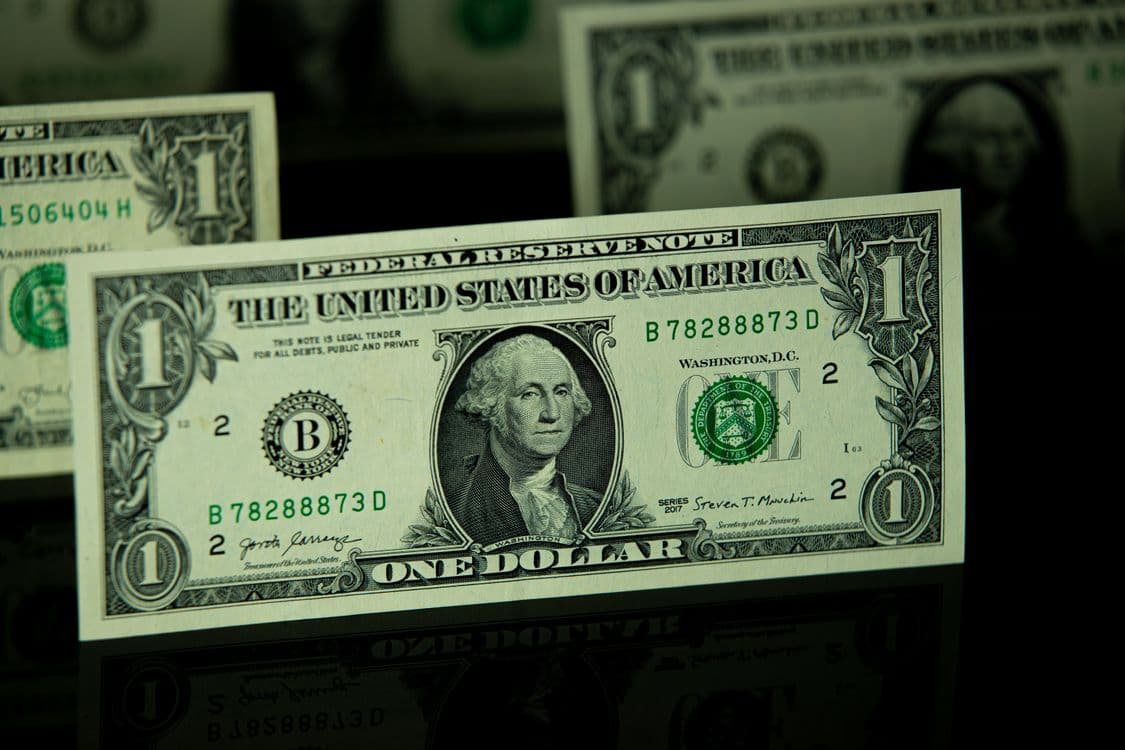
The Federal Reserve sets the cost of borrowing US dollars, and the dollar is the currency the whole world trades in. When the Fed moves, the effects reach far beyond America, influencing everything from the value of the pound to the interest on loans in London.
Higher US rates tend to strengthen the dollar and pull money toward American assets, which can weaken other currencies and push up import costs elsewhere. Lower rates do the opposite, loosening financial conditions across the globe.
For UK households the link runs through markets and mortgages. The Bank of England watches the Fed closely, and global borrowing costs, which shape the fixed rate mortgage deals banks can offer, are heavily influenced by what happens in the United States.
Explained simply
Think of the Federal Reserve as the thermostat for the world largest economy. Nudge it warmer and money flows freely; nudge it cooler and borrowing slows for everyone.
Interest rates are simply the price of money. When the Fed raises them, borrowing becomes more expensive, so households and businesses spend less and the economy cools, which helps bring inflation down. When it cuts, borrowing gets cheaper and activity picks up.
The tricky part is timing. Move too slowly and inflation can take hold; move too fast and the economy can stall. The Fed is trying to guide the economy to a soft landing, slowing price rises without tipping the country into recession.
Because the dollar underpins global trade and finance, the rest of the world feels the Fed thermostat almost as keenly as America does. A decision made in Washington on Wednesday will shape borrowing costs from New York to Newcastle.
What it means for you
You do not hold a US mortgage, but the Fed still touches your finances. Global bond markets, which set the cost of the money banks lend, take their lead from the Fed, so its decision helps determine the fixed rate mortgage deals available in Britain over the coming months.
If the Fed signals that rates will keep falling, that generally makes cheaper mortgage deals more likely and can lift share prices, boosting the value of a global tracker fund or pension. If it sounds cautious, mortgage rates could stay higher for longer.
The dollar itself matters too. A stronger dollar makes overseas holidays to America and dollar priced goods more expensive, while a weaker one eases those costs. Anyone with US shares in their portfolio will also see their value in pounds swing with the exchange rate.
The bigger picture
Central banks around the world have spent the past two years trying to tame the inflation that followed the pandemic and the energy shock. With price rises now cooling in both the United States and the United Kingdom, the debate has shifted to how quickly rates can come back down.
The Wednesday decision will offer the clearest signal yet on that path. Watch the tone of the statement and whether officials point to the recent drop in oil as a reason for confidence, or warn that the job of taming inflation is not yet done.