What happened
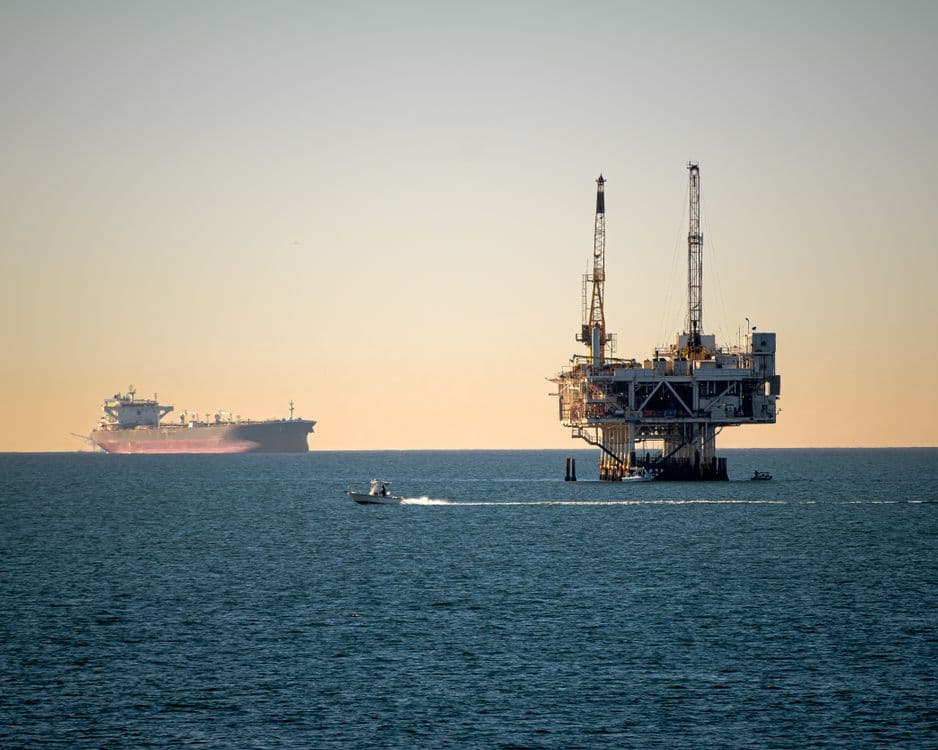
Brent crude, the global oil benchmark, fell more than 5 percent to around 86 dollars a barrel on Monday, with US WTI crude down a similar amount to about 84 dollars. The slide reversed much of a recent spike that had briefly carried oil above 100 dollars.
The trigger was a lull in the Middle East conflict. A third consecutive night passed without US strikes on Iran, and Iran and Oman were reported to be in active talks to keep the Strait of Hormuz open, the shipping lane through which roughly a fifth of the world oil is carried.
Traders had feared that a wider war could choke off that route and send prices soaring. The weekend calm removed some of that risk premium, prompting a rapid sell-off in crude.
The drop rippled through markets, lifting shares in energy-hungry industries while weighing on oil producers whose profits depend on a high crude price.
Why it matters
Oil is the lifeblood of the global economy, and its price feeds into almost everything people buy. When crude falls, the cost of petrol, diesel, shipping and many manufactured goods tends to follow, easing the squeeze on household budgets.
The recent spike above 100 dollars had threatened to reignite inflation just as it was settling, which is why central banks had grown nervous. A sustained fall back towards 86 dollars would take some of that pressure off and give policymakers room to cut interest rates again.
For Britain, which imports much of its energy, cheaper oil is largely good news. It lowers the cost of filling up the car and can slow the rise in the price of goods on supermarket shelves.
Explained simply
Think of the oil market as a crowd that panics at the first sign of smoke. The price does not just reflect the oil flowing today, but the fear of oil that might stop flowing tomorrow.
Much of an oil price move is about expectations. When war threatens a key route like the Strait of Hormuz, traders bid the price up to protect themselves against a possible shortage, even if not a single barrel has actually been lost. This extra cushion is known as a risk premium.
When the threat fades, that premium drains away and the price falls back, often sharply. Mondays slump was less about new supply arriving and more about fear leaving the market as the ceasefire held.
This is why oil can swing so violently on political news. The physical amount of oil in the world barely changed over the weekend, but the mood of the people trading it changed a great deal.
What it means for you
The most direct effect is at the petrol pump. If Brent stays near 86 dollars, forecourt prices should drift lower over the coming weeks, since fuel costs track crude with a short delay. Filling a typical tank could cost a few pounds less than during the recent spike.
Cheaper oil also feeds into energy bills and the price of goods that have to be transported, so a sustained fall can gently slow the rise in your overall cost of living. That is welcome relief after months of stubborn inflation.
If you hold shares in oil companies, whether directly or through a FTSE 100 tracker, expect the opposite effect. Lower crude prices squeeze their profits and can trim the generous dividends that make energy stocks popular with income investors.
The bigger picture
Oil has been the swing factor in markets throughout 2026, rising on every Middle East escalation and falling on every pause. Mondays drop fits that see-saw rather than marking a decisive end to the volatility.
The key thing to watch is the Strait of Hormuz. If the Iran-Oman talks succeed and the waterway stays open, oil could settle lower and help inflation ease worldwide. If the ceasefire breaks down, the risk premium and the price could return in a hurry.