What happened
UK inflation eased to 2.6 percent in the twelve months to June 2026, official figures released on 22 July showed, down from 2.8 percent in May. The reading came in below the 2.7 percent that many economists had expected, a small but welcome downside surprise.
The measure, known as the Consumer Prices Index or CPI, tracks the changing cost of a typical basket of goods and services, from groceries and petrol to rent and haircuts. A 2.6 percent rate means that basket costs 2.6 percent more than it did a year earlier.
The softer figure gives the Bank of England, which targets 2 percent inflation, a little more breathing room. Yet officials remain cautious, because July data will capture a 13.5 percent rise in the household energy price cap, a jump that could push the headline rate back up in the months ahead.
Why it matters
Inflation is the single biggest force shaping how far your money stretches. When it slows, wages and savings hold their value better, and the squeeze on family budgets eases. A fall from 2.8 to 2.6 percent is modest, but the direction of travel is what markets and policymakers watch.
Cooler inflation also shifts expectations for interest rates. If prices are coming under control, the Bank of England has more scope to cut borrowing costs, which would lower mortgage and loan repayments for millions.
But the relief may be fragile. Britain imports much of its oil and gas, so a spike in global energy prices feeds quickly into domestic bills. The looming energy price cap increase is a reminder that the fight against inflation is not yet won.
Explained simply
Picture inflation as the speed at which a down escalator is moving beneath you. It has slowed from a brisk pace to a gentler one, so you are losing ground more slowly, but you are still not standing still.
Even at 2.6 percent, prices are still rising, just less quickly than before. Inflation falling does not mean things get cheaper, it means they get more expensive at a slower rate. For prices to actually drop you would need deflation, which brings its own problems.
The goal for the Bank of England is a steady 2 percent, fast enough to keep the economy healthy but slow enough that people barely notice. At 2.6 percent, Britain is close to that comfort zone, though the energy shock waiting in the July numbers could nudge the escalator faster again.
This is why one good month does not settle the debate. Policymakers look for a run of readings heading in the right direction before they are confident the trend is real.
What it means for you
For savers, easing inflation is quietly good news. Easy access savings accounts at major banks currently pay around 4.5 percent, comfortably ahead of a 2.6 percent inflation rate, meaning your money is growing in real terms rather than shrinking. Fixed rate cash ISAs locking in similar rates look attractive while they last.
For borrowers, softer inflation raises the chance of Bank of England rate cuts later this year, which would gradually feed into cheaper fixed rate mortgages. Anyone remortgaging in the next six months may want to watch two year and five year fixed deals closely rather than rushing to lock in today.
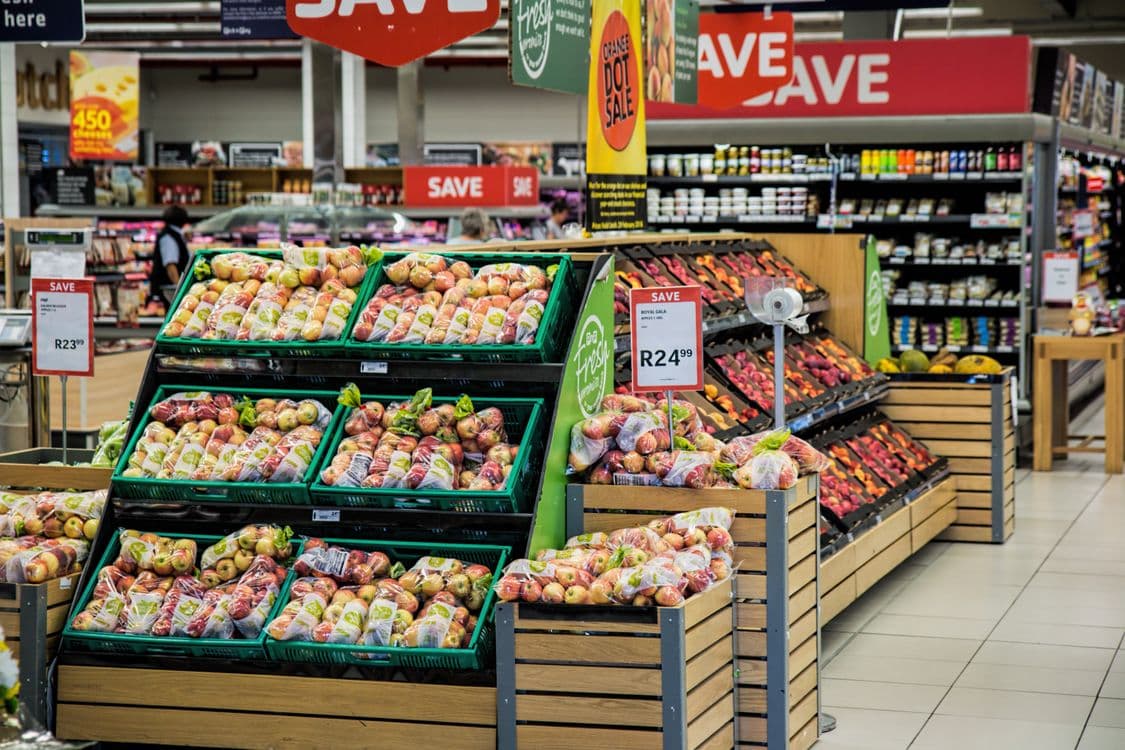
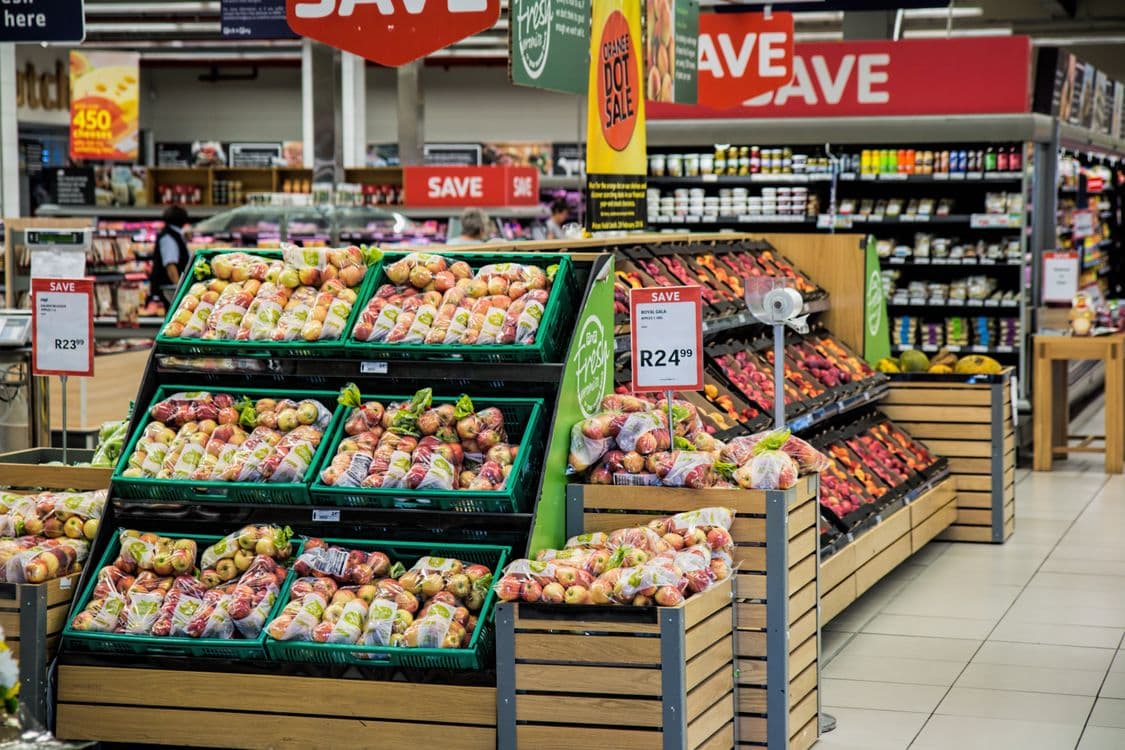
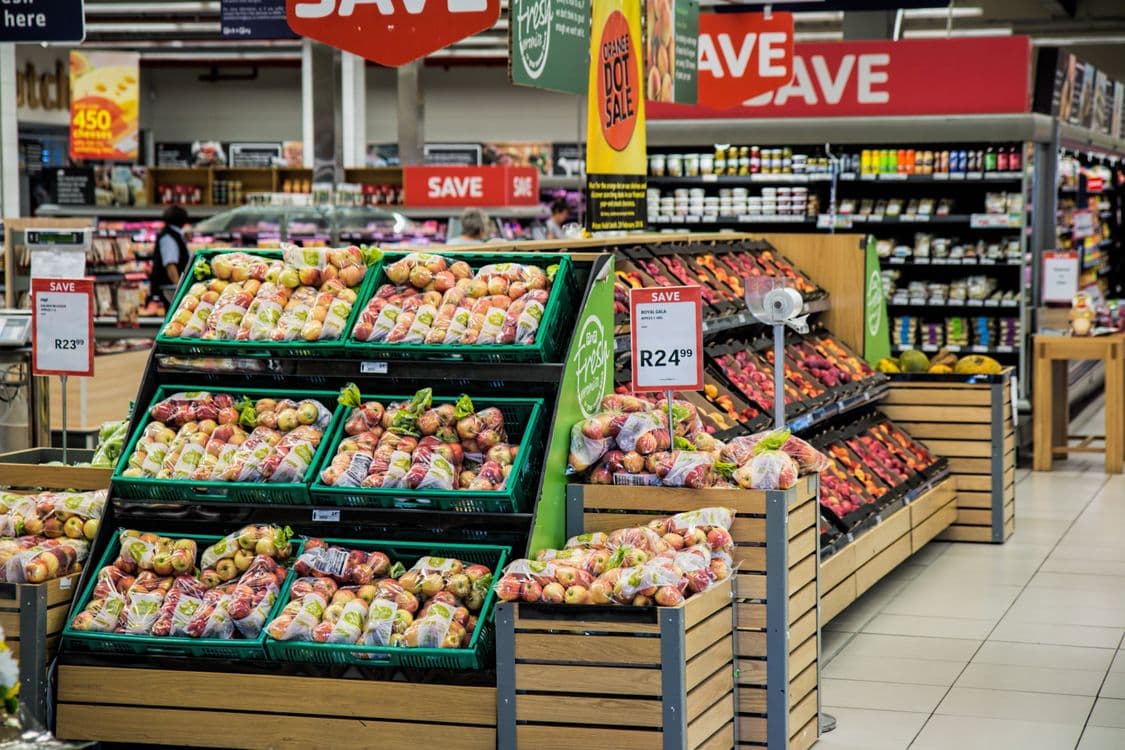
On the high street, the practical effect is that the weekly shop and everyday bills should climb more slowly than during the worst of the cost of living squeeze. But with firms still planning price rises and energy costs set to jump, do not expect the pressure to vanish overnight.
The bigger picture
Britain has travelled a long way from the double digit inflation of a few years ago, when prices were rising faster than at any time in four decades. Getting from there to just above target has been the central economic story of this period.
The next test is the July figures, due in August, which will show how much of the energy cap increase feeds through. If inflation stays near target despite that shock, the case for rate cuts strengthens. If it jumps, the Bank may hold firm for longer.