What happened
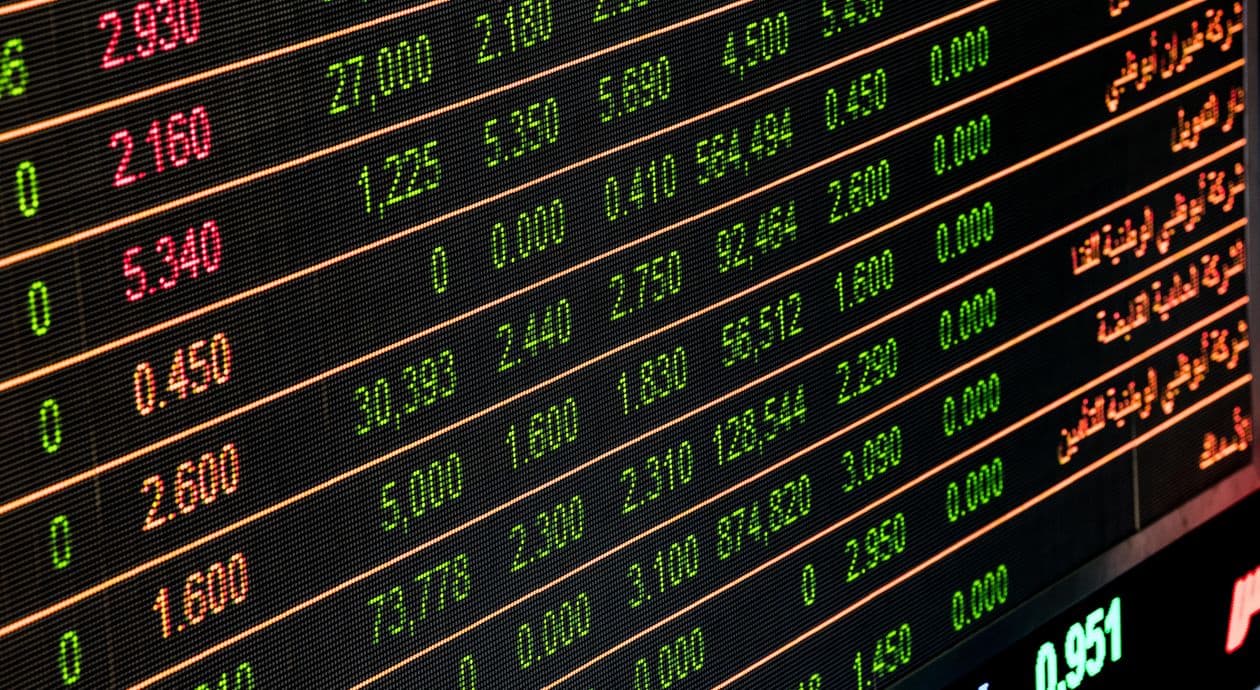
Wall Street closed a turbulent week on 24 July with the technology heavy Nasdaq Composite down 0.6 percent on the day and about 2 percent over the five sessions. The broad S&P 500 ended near flat at 7,411.98, while the Dow Jones Industrial Average rose 235 points, or 0.46 percent, to 51,947.
The pain was concentrated in semiconductor stocks. Investors took fright at the enormous sums technology giants are pledging to spend on artificial intelligence, worrying that returns may not justify the outlay. Memory chip maker Sandisk tumbled 11 percent in a single session.
Adding to the unease were Iran tensions and swinging oil prices, which kept traders on edge all week. A late pullback in crude helped the Dow and S&P 500 recover some ground on Friday, but all three major indices still finished the week lower.
The volatility marked a sharp change of mood after a long run of records for US shares, driven largely by a handful of megacap technology names.
Why it matters
US shares set the tone for markets worldwide. When Wall Street sneezes, exchanges in London, Frankfurt and Tokyo tend to catch a cold, because so much global investment is tied to American technology giants.
The specific worry this week was AI spending. Companies like Alphabet and Microsoft are pouring hundreds of billions of dollars into data centres and chips. That has powered a huge rally, but investors are starting to ask when all that spending will actually pay off. When doubt creeps in, the stocks that rose fastest tend to fall hardest.
Semiconductors sit at the heart of this story because they are the picks and shovels of the AI boom. A wobble in chip shares is often read as a wobble in confidence about the whole AI trade.
Layered on top is the oil price, which threatens both company costs and consumer spending, giving markets two things to fret about at once.
Explained simply
Think of the AI rally as a gold rush. This week investors paused to ask whether everyone buying shovels will really strike gold, and the shovel makers shares wobbled.
For two years, the promise of artificial intelligence has lifted technology shares to record highs. The logic was simple: AI will be huge, so the companies building it will earn enormous profits. Investors bid up their shares in anticipation.
The catch is that the profits have to eventually arrive. Building AI requires spending vast sums today on chips and data centres, with the payoff expected years down the line. This week investors grew nervous that the spending is racing ahead of the earnings.
Chip makers are the clearest example. They sell the essential hardware, so their shares soared on AI optimism. When that optimism dims, even briefly, their prices swing sharply in the other direction, which is exactly what happened.
What it means for you
If you have a workplace pension or a Stocks and Shares ISA, a chunk of it is almost certainly invested in US technology through global tracker funds. A rocky week on Wall Street will show up as a dip in your balance, and you may notice more day to day movement than usual.
For long term savers, the key is not to panic. A fund tracking the S&P 500 or a global index has weathered many such wobbles, and selling during a dip locks in losses. Regular monthly contributions, common in pensions, actually buy more units when prices fall.
If the swings make you uncomfortable, it is a reminder to check how concentrated your investments are in a few technology giants. Funds that spread money more broadly, across regions and sectors, can smooth the ride. This is a good moment to review your mix, not to make hasty moves.
In short, expect a bumpier balance, but resist the urge to react to a single volatile week.
The bigger picture
This week was a test of the AI trade that has driven markets to record highs. A single wobble does not end a bull market, but it does show how sensitive shares have become to any doubt about AI returns.
Watch the coming batch of technology earnings and the guidance companies give on future spending. If profits keep beating expectations, confidence should return. If spending keeps rising while returns disappoint, more volatility could follow.