What happened
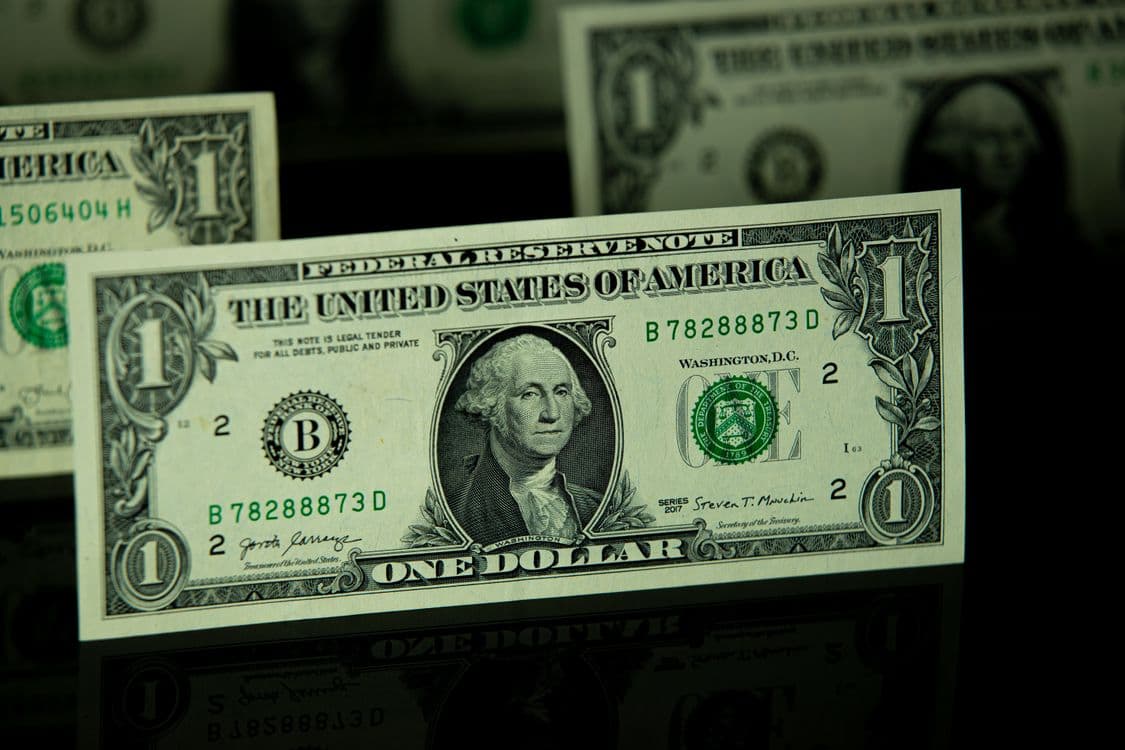
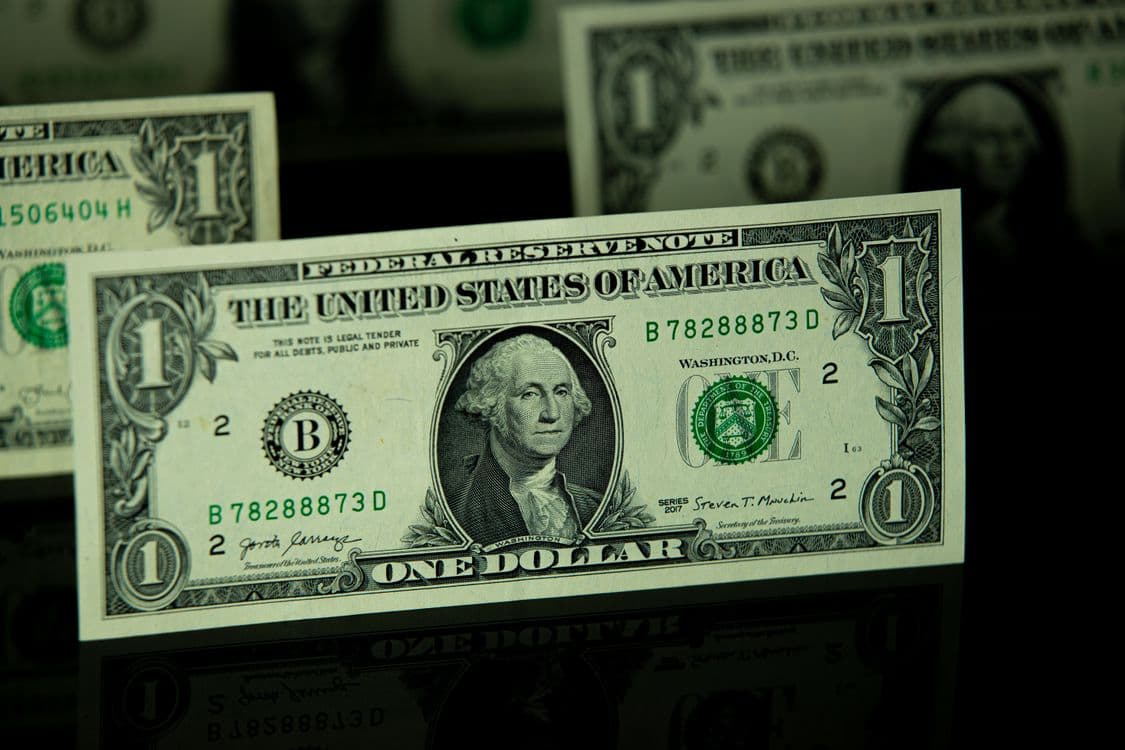
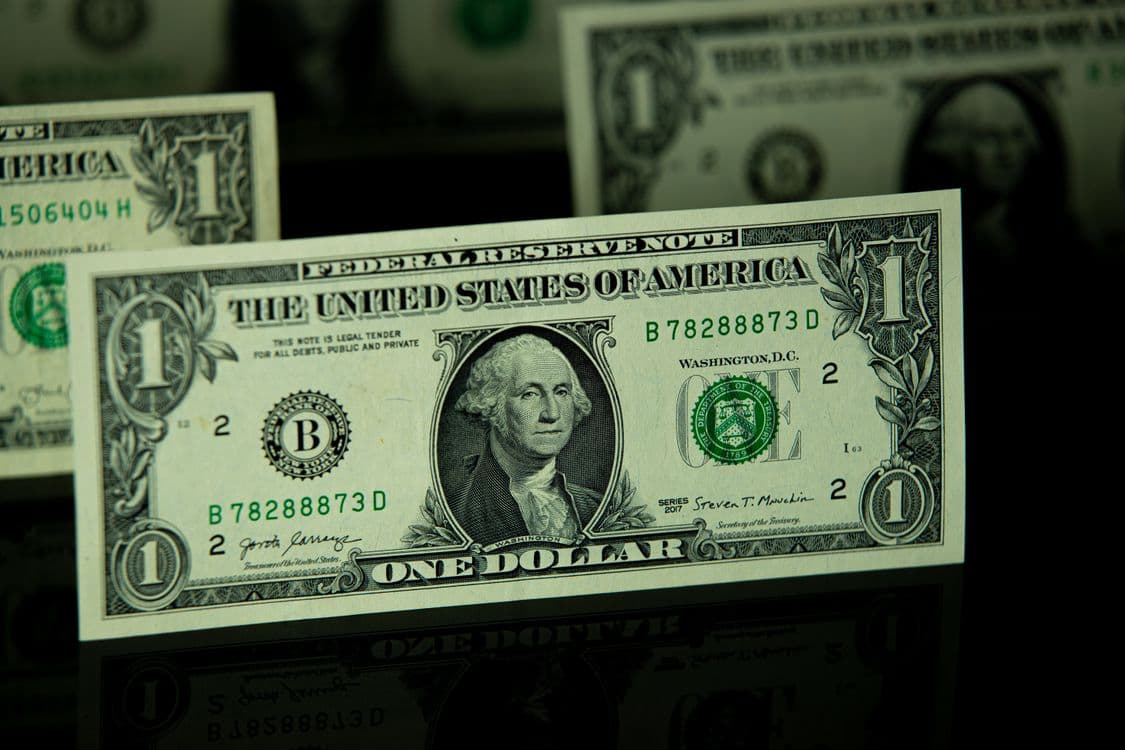
The Federal Reserve is widely expected to leave its benchmark interest rate unchanged at a target range of 3.50 to 3.75 percent when it announces its decision on Wednesday, with futures pricing in about an 89 percent chance of no move. The decision caps a tense week for investors already digesting a heavy run of mega-cap earnings.
The Fed, which sets the price of short-term borrowing across the United States, has kept policy steady for several meetings as it waits for clearer evidence that inflation is settling back toward its 2 percent goal. Chair Jerome Powell and the rate-setting Federal Open Market Committee have signalled patience rather than urgency.
Markets are less focused on the decision itself than on the language that comes with it. Traders want to know whether officials still expect to cut rates later in 2026, or whether a fresh energy-driven rise in prices has pushed those cuts further out.
A renewed conflict in the Middle East and higher oil prices have complicated the picture, feeding worries that inflation could prove stickier than hoped.
Why it matters
The Fed funds rate is the anchor for borrowing costs around the world. When it stays high, everything from US mortgages to business loans and credit-card rates stays expensive, and the effect ripples far beyond America.
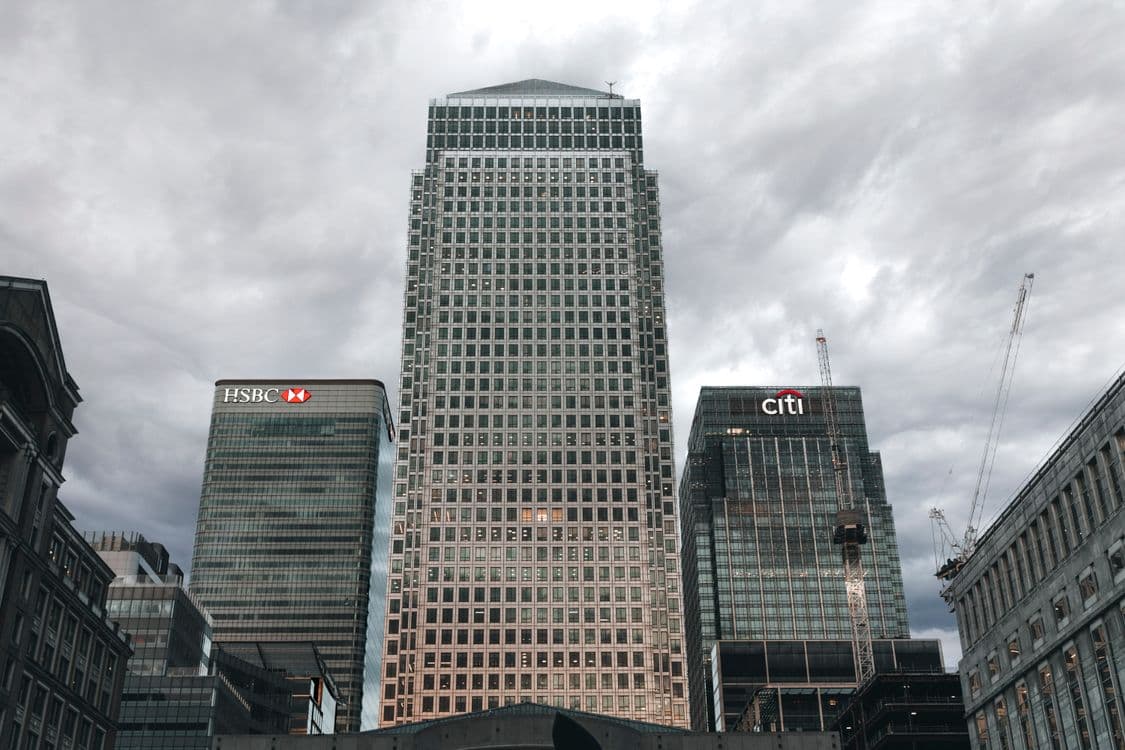
For UK savers and borrowers, the Fed matters because it shapes the value of the dollar and the mood of global markets. A hawkish Fed tends to lift the dollar, which can make imported goods and fuel pricier in pound terms.
Higher-for-longer US rates also keep pressure on the Bank of England, which announces its own decision two days later. Central banks rarely move in complete isolation.
Company borrowing costs feed through to jobs and investment, so a steady Fed keeps a lid on the credit that fuels hiring and expansion.
Explained simply
Think of the Federal Reserve as the thermostat for the whole economy. Right now it is holding the dial steady, watching to see whether the room is still too warm before it dares turn the heating down.
When the economy runs hot and prices rise too fast, the Fed turns interest rates up to cool spending. When growth is weak, it turns rates down to encourage borrowing. The current setting of 3.50 to 3.75 percent is meant to be gently restrictive, slowing things without freezing them.
The trouble with a thermostat is the delay. Changes in interest rates take many months to work through to jobs, prices and mortgages, so the Fed has to guess where the economy will be a year from now, not where it is today.
That is why officials are cautious. Cut too soon and inflation could flare back up. Wait too long and they risk tipping the economy into a downturn. Holding steady buys them time to see more data.
What it means for you
If you hold US dollar savings or invest in American shares through a global fund inside your pension, a steady Fed generally means fewer surprises and calmer markets in the short term.
For UK borrowers, the more direct read-across is what the Fed signals about the path of rates. If it hints that cuts are being delayed, fixed-rate mortgage pricing here can drift higher, because lenders take their cue from global rate expectations.
Savers with easy-access accounts paying around 4 percent should not expect big moves this week, but a hawkish Fed tone supports the case for locking in a fixed-rate savings bond before rates eventually fall.
Anyone planning to buy dollars for a holiday or a US purchase should watch the pound-dollar rate around the announcement, as sharp swings are common.
The bigger picture
The Fed sits at a delicate point in the cycle. After the steep rate rises of recent years, it has spent months on hold, hoping to engineer a soft landing where inflation falls without a recession.
The wild card is energy. A sustained jump in oil prices could reignite inflation and force the Fed to keep rates high well into next year, disappointing investors betting on cuts.
Watch Wednesday for any change in the Fed statement wording and Powell tone at the press conference. Those clues will move markets far more than the widely expected decision to stand still.