What happened
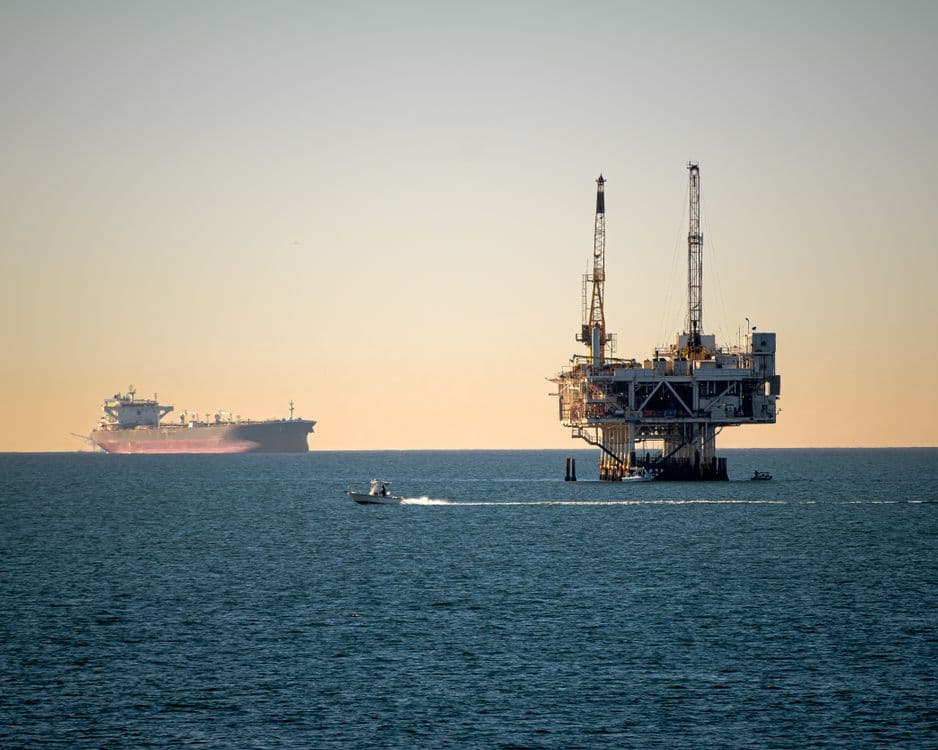
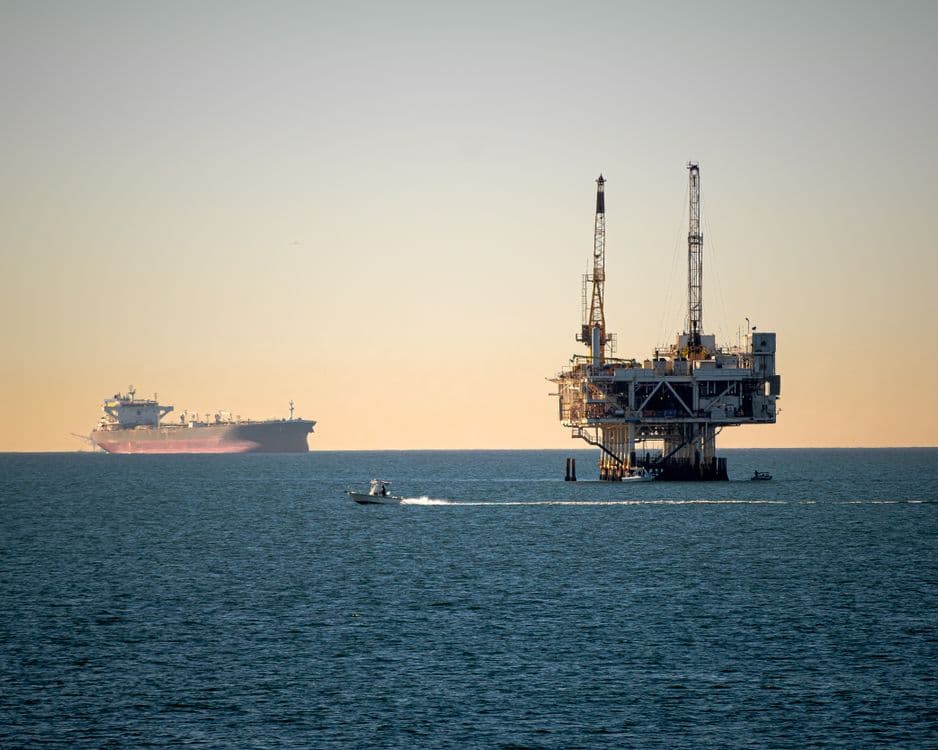
Oil prices surged after the Iran-aligned Houthi movement in Yemen claimed attacks on two Saudi Arabian tankers in the Red Sea, reigniting fears that conflict in the Middle East could disrupt global energy supplies. The move reversed part of a long slide that had taken crude well below its April peak.
The Red Sea is one of the most important shipping routes in the world, carrying a large share of the oil and goods that flow between Asia, the Middle East and Europe. Any threat to tankers there raises the risk of higher costs and delays.
Before the attacks, Brent crude had fallen roughly 40 percent from its April high, with some forecasters expecting prices near 60 dollars a barrel by year end. The strikes injected fresh uncertainty into that outlook.
Energy shocks have already unsettled central banks, feeding the inflation worries hanging over the Federal Reserve and the European Central Bank.
Why it matters
Oil is the lifeblood of the modern economy. It fuels cars, lorries, ships and planes, and it is a raw material in everything from plastics to fertiliser, so its price touches almost every product on a shop shelf.
When oil jumps, the cost of filling a tank rises within days, and the knock-on effect on transport and manufacturing costs can push up prices more broadly weeks later.
That is exactly the kind of shock central banks fear. Higher energy prices can reignite inflation just as it was finally cooling, complicating decisions on interest rates in London, Frankfurt and Washington.
For the UK, which imports much of its oil and gas, a sustained rise would land directly on household and business budgets.
Explained simply
Think of the Red Sea as a narrow doorway through which a huge share of global oil must squeeze. Rattle that doorway and buyers everywhere start paying more, just in case it slams shut.
Oil prices are set on global markets, where traders constantly weigh how much crude is being produced against how much the world wants to buy. When supply looks threatened, prices rise even before a single barrel is actually lost.
That is because buyers compete to secure supplies in advance, bidding prices up to protect themselves against the risk of shortages. Fear of disruption can move the market as much as disruption itself.
The Red Sea matters so much because ships carrying oil use it to reach Europe quickly. Force them to sail the long way around Africa and journeys take longer, costs climb, and those costs end up in prices.
What it means for you
The quickest effect is at the petrol pump. A sustained rise in crude typically shows up as higher petrol and diesel prices within a week or two, adding a few pounds to every fill-up.
Higher fuel costs also feed into the price of almost everything that travels by road, so groceries and delivered goods can creep up if the spike lasts.
For savers and investors, energy shares in a FTSE 100 tracker often rise when oil does, which can cushion a portfolio, while airlines and heavy manufacturers tend to suffer. A broad fund holds both sides of that trade.
If you are on a fixed energy tariff, you are insulated for now, but anyone coming off a deal should watch oil markets before choosing their next one.
The bigger picture
Oil had been falling for months on hopes of ample supply and slowing demand, which helped bring inflation down. These attacks are a reminder of how quickly geopolitics can reverse that calm.
Whether this becomes a lasting problem depends on how far the conflict spreads and whether shipping through the Red Sea is seriously disrupted. A brief scare would fade fast; a prolonged threat would not.
Watch Brent crude and shipping insurance costs in the days ahead. Rising figures would signal that the market expects the disruption to last.