What happened
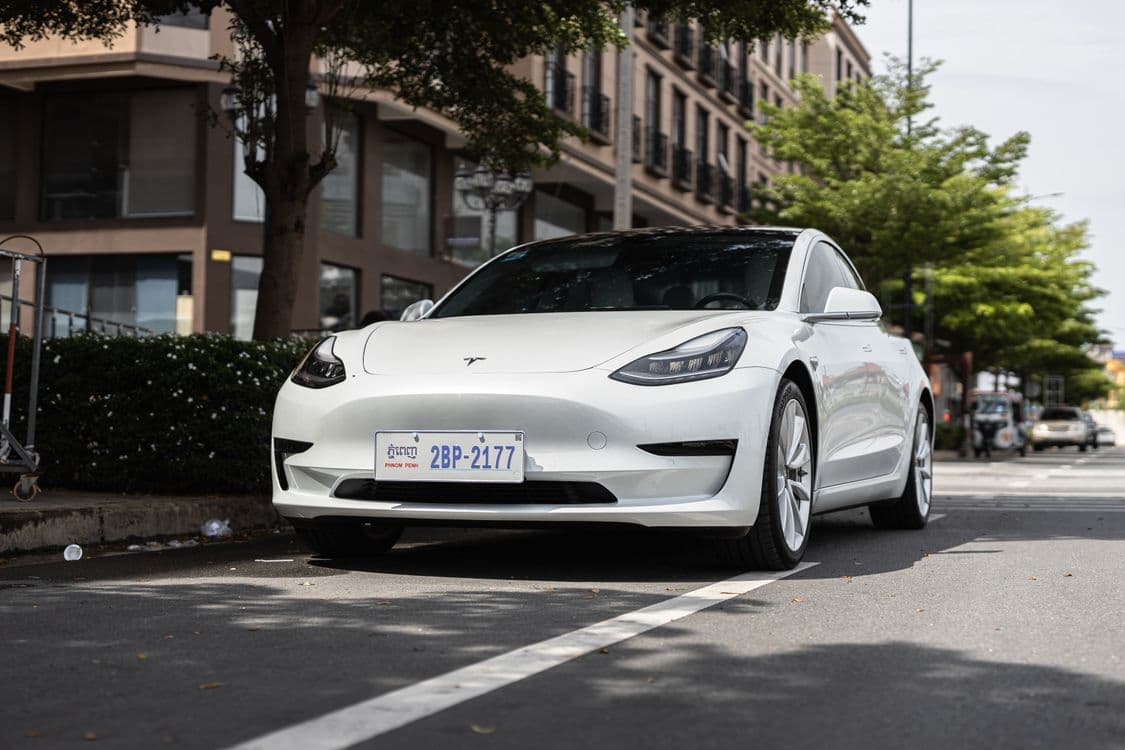
Tesla shares slumped 14 percent after the electric vehicle maker reported a sizeable earnings miss for the second quarter of 2026. The core problem was that operating expenses, the day-to-day costs of running the business, rose faster than revenue during the period, squeezing profits.
The fall made Tesla one of the biggest single-day losers on the US market and helped drag the technology-heavy Nasdaq index lower. It did not fall alone. Alphabet, the parent company of Google, dropped 7 percent on its own results the same week, adding to the pressure on big tech.
An earnings miss simply means a company made less profit than analysts had forecast. For a company like Tesla, whose share price bakes in high hopes for future growth, even a single disappointing quarter can trigger an outsized reaction.
Why it matters
Tesla is one of the most widely held and closely watched stocks in the world, so its swings ripple far beyond the company itself. When it drops 14 percent, index funds, pension pots and countless individual investors feel the effect at once.
The detail that costs grew faster than sales is what worried investors most. It suggests the company is spending heavily, perhaps on new factories, artificial intelligence or price cuts to shift cars, without yet seeing matching rewards on the bottom line.
Because Tesla trades at a rich valuation, meaning its share price is high relative to current profits, expectations are demanding. Investors are paying today for growth they expect years from now, so any sign that growth is getting more expensive to buy tends to hit the shares hard.
Explained simply
Think of Tesla shares as a ticket priced not for the film showing today but for the blockbuster sequels investors expect in five years. When this quarter trailer looks weaker, the whole ticket suddenly feels overpriced.
Most ordinary companies are valued mainly on the profits they make now. Tesla is different. A large chunk of its share price reflects a bet that it will sell far more cars, energy products and software in the future, and make fat profits doing so.
That is why the mix of results matters more than the headline. Revenue still grew, but costs grew faster, so each extra sale brought in less profit. For a stock priced on future riches, that is a red flag, because it hints the path to those riches is bumpier and pricier than hoped.
When enough investors rethink that bet at the same time, they sell, and the price drops fast. A 14 percent fall in a day is dramatic, but for a high-expectation growth stock it is the market simply repricing the size of the dream.
What it means for you
Even if you have never bought a Tesla share directly, you probably own a sliver. Tesla is a member of the S&P 500 and the Nasdaq 100, so any US or global tracker fund in your pension or stocks and shares ISA will hold it, typically at a weight of 1 to 2 percent.
The direct hit to a diversified saver is small. If Tesla is 1.5 percent of your fund and falls 14 percent, that trims about 0.2 percent from your total, roughly 20 pounds on a 10,000 pound holding. It is a useful example of why owning hundreds of companies smooths out any single shock.
If you hold a specialist technology or electric vehicle fund, the effect will be larger, since those funds deliberately concentrate on a handful of names. It is worth checking how much of your portfolio sits in a small number of star stocks, because concentration cuts both ways.
The bigger picture
Tesla has a long history of violent share price swings, both up and down, and has bounced back from steep falls before. The company remains a leader in electric vehicles, but it now faces tougher competition and thinner margins than in its early boom years.
The wider lesson from this earnings season is that investors are rewarding companies that beat forecasts and punishing those that miss, with little mercy in between. Watch whether Tesla can get costs back under control in the second half, and whether the rest of big tech can keep delivering the growth their high valuations demand.