What happened
UK inflation has fallen to its lowest level in 15 months, offering households brief relief after a long squeeze on living costs. The slowdown in the pace of price rises was slightly sharper than many economists had expected.
The cooling came as fuel and some food costs eased, and as Brent crude oil retreated to well below its April peak, dragging petrol and transport costs lower. Gilt yields, the interest the government pays to borrow, have also edged down from the highs seen in May.
The relief may be short-lived. A 13.5 percent increase in the household energy price cap is feeding into bills, and Britain remains heavily exposed to imported oil and gas, leaving it vulnerable to any fresh spike.
The figures land days before the Bank of England decides on interest rates on 30 July, sharpening the debate over whether policy is tight enough.
Why it matters
Inflation measures how fast the prices of everyday things, from groceries to petrol to rent, are climbing. A 15-month low means prices are still rising, but more slowly, which slightly eases the pressure on family budgets.
For anyone doing a weekly shop or filling up a car, slower inflation is the difference between costs racing ahead of wages and pay finally starting to catch up. Real incomes, meaning what your money actually buys, improve when inflation cools.
The energy price cap is the catch. Because it sets the ceiling on what suppliers can charge for gas and electricity, a 13.5 percent jump lands directly on household bills this autumn and winter.
It also puts the Bank of England in a bind, torn between cooling inflation and a rising energy shock as it weighs its next rate decision.
Explained simply
Think of inflation as the speed of a car. It has slowed to a gentle cruise, but the energy price cap is a hill up ahead that could push the whole economy to accelerate again.
When people talk about inflation falling, they rarely mean prices are dropping. They mean prices are rising more slowly than before. The shopping bill is still bigger than last year, just not by as much.
Energy is unusually powerful because it feeds into almost everything. It costs money to heat shops, run factories and transport goods, so when gas and electricity jump, those costs get passed along into the price of countless other products.
That is why a single 13.5 percent rise in the energy cap can ripple outward, undoing some of the hard-won progress on bringing inflation down.
What it means for you
The most immediate hit is your winter energy bill. A 13.5 percent rise on a typical annual bill of around 1,700 pounds adds well over 200 pounds a year, so it is worth checking whether a fixed energy tariff now beats the capped rate.
For savers, cooling inflation is good news because it protects the real value of your cash. Easy-access accounts paying around 4.5 percent are now comfortably ahead of inflation, so money in the bank is quietly gaining ground rather than losing it.
Mortgage holders should watch the Bank of England closely. If easing inflation lets the Bank cut rates later this year, fixed-rate deals could gradually cheapen, though the energy shock may delay that.
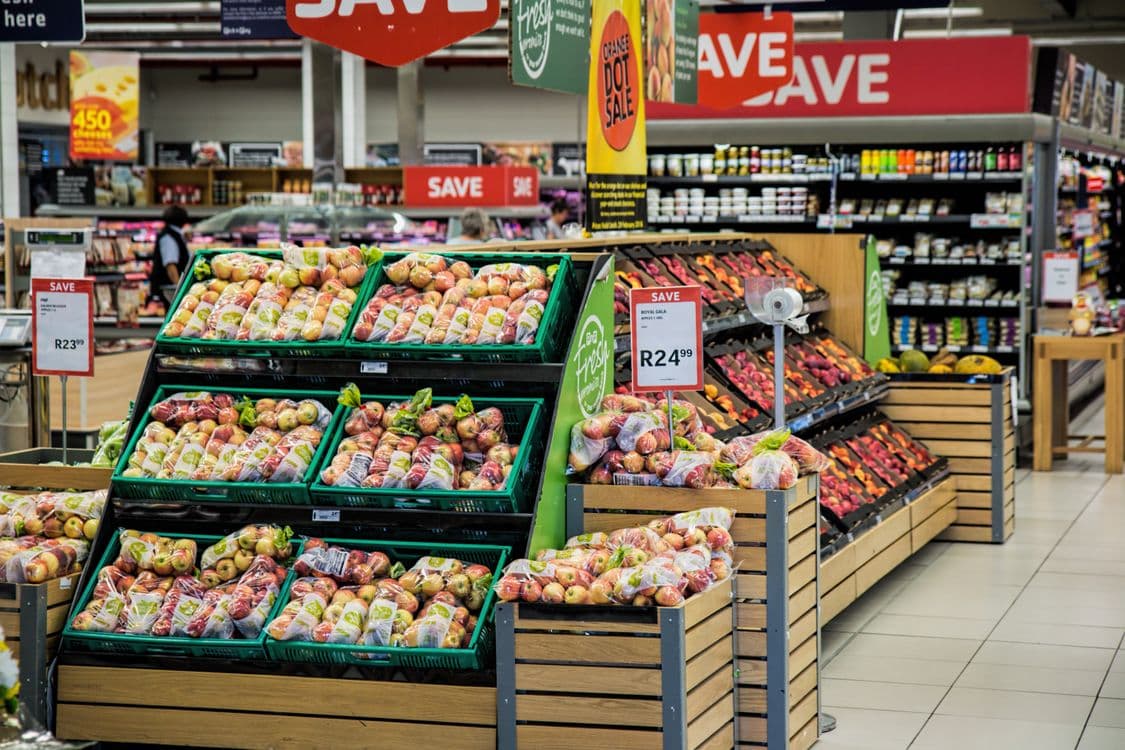
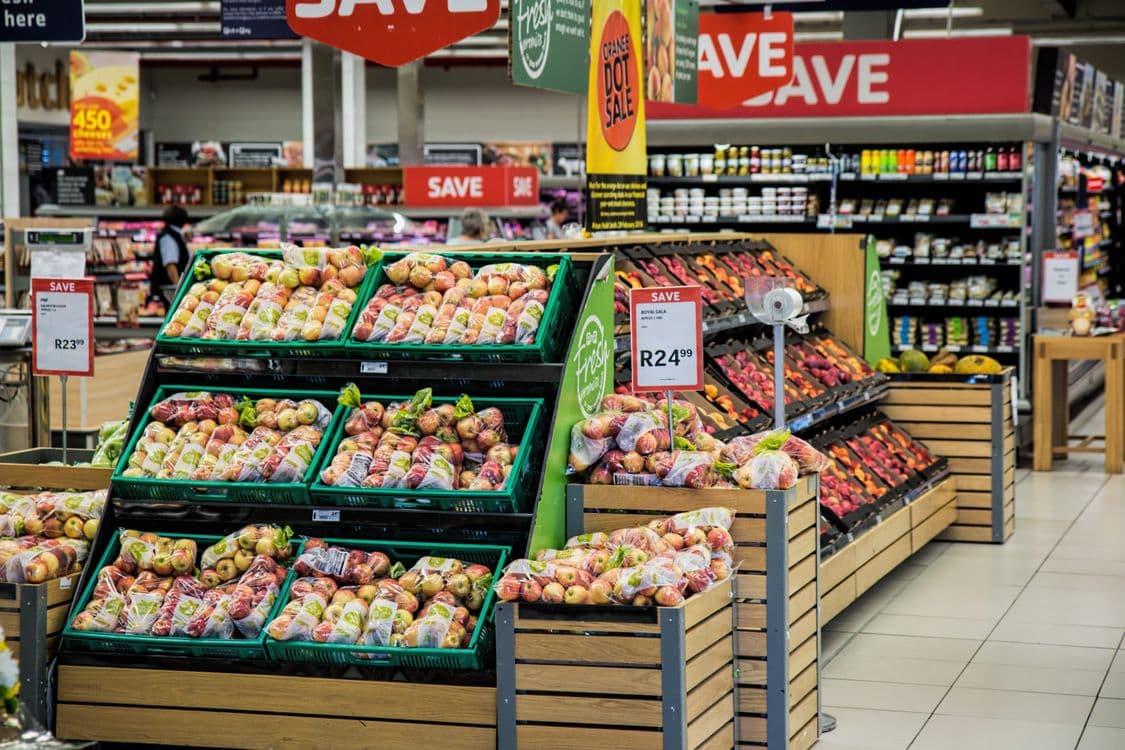
Shoppers may notice supermarket price rises slowing, but should not expect actual price cuts on most items.
The bigger picture
Britain has spent two years bringing inflation down from painful double-digit highs, and a 15-month low is a genuine milestone. But the last stretch is often the hardest, and energy keeps proving the biggest obstacle.
The Bank of England must now weigh a cooling economy and softer labour market against the risk that the energy cap reignites price rises. Its 30 July decision will show which way it leans.
Watch the next inflation reading and the Bank forecasts for clues on whether rate cuts are coming this year or slipping into 2027.