What happened
UK inflation eased to 2.6 percent in June, down from 2.8 percent in May, according to the Consumer Prices Index, the official measure of how fast the cost of a typical basket of goods and services is rising. The bigger-than-expected drop gave the Bank of England breathing room at its rate meeting.
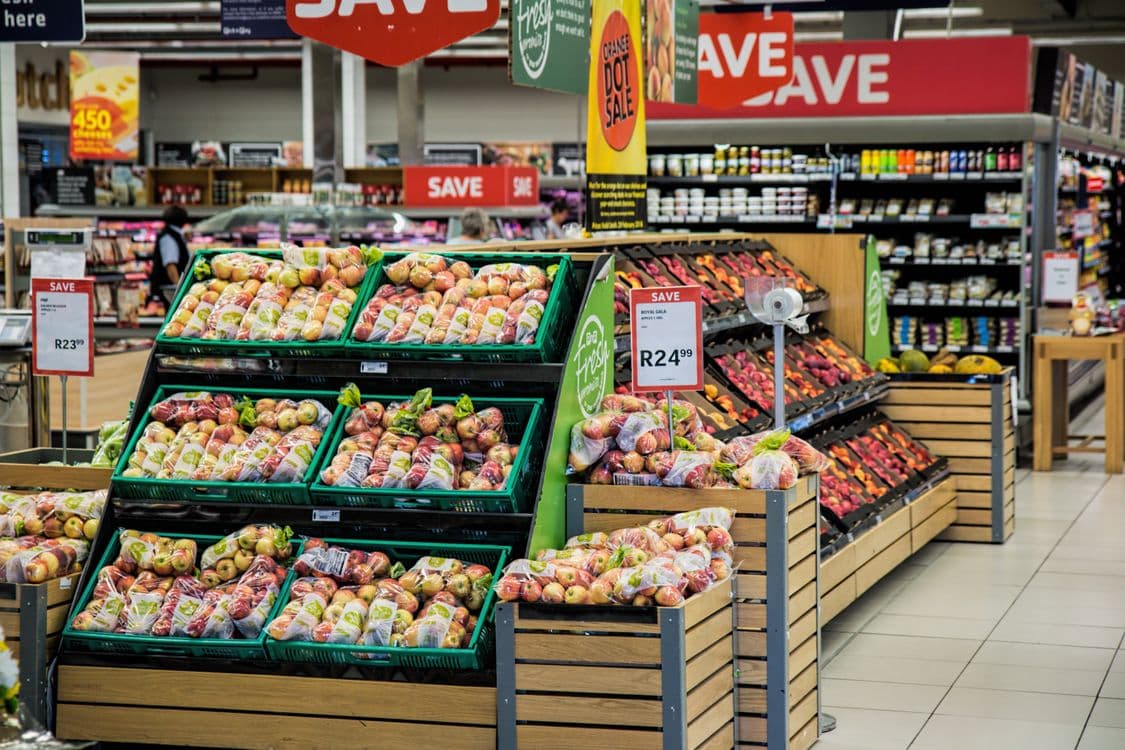
The standout was food. Food price inflation slowed to 1.7 percent, down from 2.2 percent in May and the lowest reading since August 2024. After two years in which grocery bills soared, the weekly shop is finally rising at a gentler pace.
Inflation of 2.6 percent does not mean prices are falling. It means they are still going up, just more slowly than before, and closer to the Bank of Englands 2 percent target than at any point during the cost-of-living crisis.
Why it matters
Inflation is the rate at which your money loses value. When it slows, each pound in your pocket holds its worth for longer, so wage rises stretch further and savings are eroded less quickly.
Food inflation matters most to lower-income households, who spend a bigger share of their budget on groceries. Its fall to 1.7 percent is a tangible relief at the supermarket checkout after a punishing stretch of rising prices.
The figure also shapes interest rates. The softer reading is exactly why the Bank of England felt able to hold rates at 3.75 percent rather than raising them. Inflation data and rate decisions are two sides of the same coin.
Explained simply
Think of inflation as the speed of a car, not its position. The car is still moving forward, prices are still rising, but the Bank has eased the accelerator and the pace has dropped from a brisk 2.8 to a calmer 2.6.
Statisticians track the price of a fixed basket of hundreds of everyday items, from bread and petrol to rent and haircuts, and measure how much dearer that basket is than a year ago. In June the basket cost 2.6 percent more than twelve months earlier.
The slowdown in food was the main brake. When supermarket prices rise more gently, the whole basket rises more gently, because groceries are a big part of what households buy. Cheaper wholesale costs and fierce competition between supermarkets helped.
The Bank of England wants the car cruising at 2 percent, a speed it judges healthy for the economy. At 2.6 percent it is close but not quite there, which is why policymakers are watching, not celebrating.
What it means for you
At the till, the fall in food inflation to 1.7 percent means grocery prices are climbing far slower than the double-digit rates of a couple of years ago. A weekly shop that cost 100 pounds a year ago now costs around 102 pounds rather than the 110 or more seen at the peak.
For savers, falling inflation is quietly good news. If your easy-access savings account pays around 3.5 to 4 percent and inflation is 2.6 percent, your money is now growing faster than prices, so its real value is rising rather than shrinking. Check that your account beats 2.6 percent; many high-street accounts paying under 2 percent are still losing you money in real terms.
For borrowers, easing inflation reduces the pressure on the Bank to raise rates, which helps keep a lid on mortgage and loan costs. It is one reason your monthly payments have stopped climbing.
The bigger picture
June marks real progress, but the path is not smooth. The Bank of England has warned that inflation could climb back toward 3.25 percent later this year as higher energy prices work through the system, so this dip may prove temporary.
The number to watch is the autumn energy picture. If oil and gas prices stay elevated because of Middle East tensions, inflation could edge up again, and those three policymakers who voted to raise rates would feel vindicated. For now, though, the direction of travel at the supermarket is finally the right one.


