What happened
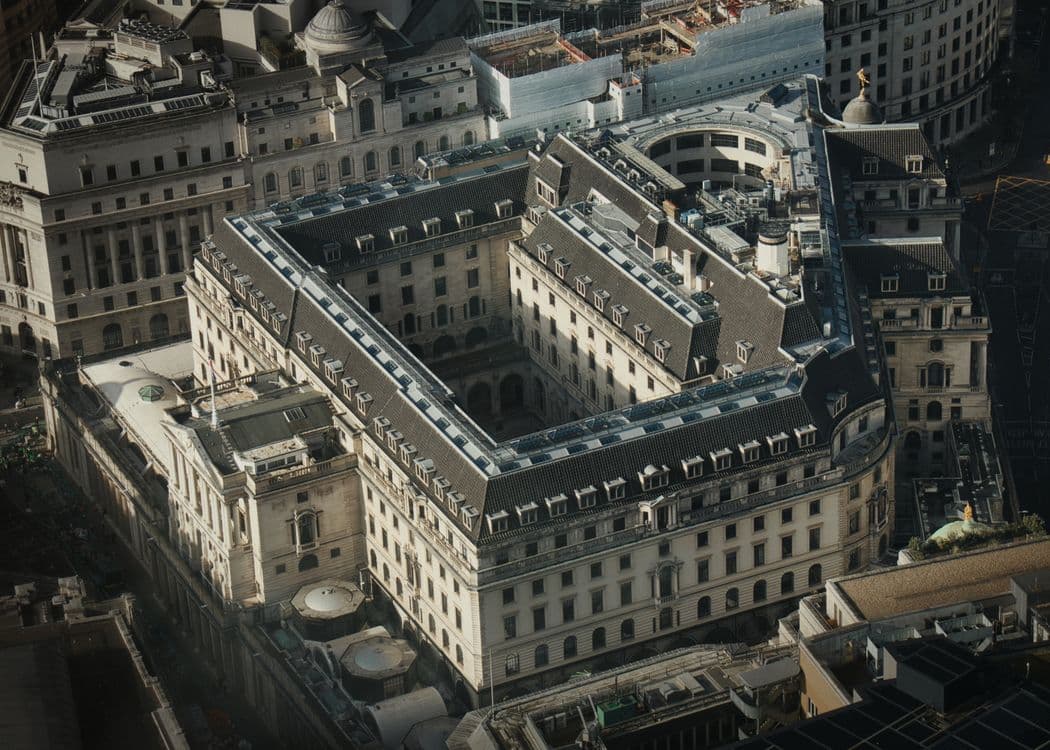
UK CPI inflation — the official measure of how fast prices in shops are rising — fell to 2.6 percent in June, down from 2.8 percent in May, bringing it within touching distance of the 2 percent target set for the Bank of England.
Despite that progress, the latest meeting of the Monetary Policy Committee on 30 July revealed an unusually sharp divide. Six members voted to hold the base rate at 3.75 percent for a fifth consecutive meeting this year, but three voted to raise it to 4 percent, arguing that the recent surge in energy prices caused by the Middle East conflict was too great a risk to ignore.
Governor Andrew Bailey struck a cautious tone, and investors placed greater weight on his remarks than on the hawkish minority, leaving markets pricing a long hold rather than a hike.
The UK picture mirrors the global one: the US Federal Reserve is holding at 3.5 to 3.75 percent, with Chairman Kevin Warsh warning the Fed will not hesitate to act on inflation, while the European Central Bank holds its deposit rate at 2.25 percent after a June hike driven by the same energy pressures.
Why it matters
Inflation at 2.6 percent is a very different world from the double digit price rises of 2022 and 2023. It means the average shopping basket is rising in cost only slightly faster than the official target, and it restores real value to wage growth — pay rises above 2.6 percent now genuinely increase living standards.
But the three way split on the committee matters just as much as the headline number. It tells you the Bank sees a real risk that energy prices reignite inflation, and that the path down for interest rates is not guaranteed. Markets set mortgage and savings rates based on where they think the base rate is heading, not just where it is.
Every month rates stay at 3.75 percent, roughly a hundred thousand more UK households roll off cheap fixed mortgages onto todays higher rates — so the timing of the first cut is a genuinely large sum of money spread across the country.
Explained simply
Interest rates are the thermostat of the economy — the Bank has left the dial alone all year, but three of its nine engineers are convinced the room is about to get hot again and want to turn the heating down now.
When the Bank raises rates, borrowing costs more, so households and businesses spend less, and price rises cool. When it cuts, the opposite. The committee of nine votes at each meeting, and the majority wins.
The complication is energy prices. Oil and gas feed into almost every other price — transport, food, plastics, heating. The conflict in the Middle East pushed energy costs up sharply earlier this summer, and the three dissenters fear this will leak into general inflation in a few months, the way a hot day takes time to warm a house.
The majority, including the Governor, prefers to wait and see — partly because this week oil fell 5 percent on hopes of a Strait of Hormuz deal, which if sustained would do the cooling for them.
What it means for you
For mortgage holders: fixed rate deals are priced off market expectations, and a divided Bank means those expectations stay roughly where they are. If you are remortgaging in the next six months, current two year fixes are unlikely to improve dramatically until a first cut is clearly in view — waiting for sharply better deals this autumn is a gamble.
For savers: this is close to the sweet spot. With inflation at 2.6 percent and easy access accounts at major banks paying around 4 percent, cash savings are earning a real return of over one percentage point. Cash ISAs protect that interest from tax. Fixed one year bonds let you lock the real return in before eventual cuts erode it.
For household budgets: 2.6 percent inflation still means prices are rising — a 100 pound weekly shop from last year costs around 102.60 now. The relief is in the pace, not the direction.
The bigger picture
Central banks everywhere are navigating the same dilemma: inflation almost tamed, but a geopolitical energy shock threatening to undo the work. The UK, US and eurozone are all holding rates and watching the Middle East as much as their own economies.
The next milestones are the July UK inflation reading later this month and the September Bank meeting. If oil keeps falling and inflation holds near 2.6 percent, the conversation shifts from whether to cut to when — and mortgage markets will move before the Bank does.


