What happened
UK inflation slowed to 2.6 percent in June, down from 2.8 percent in May, moving the country another step closer to the Bank of England target of 2 percent.
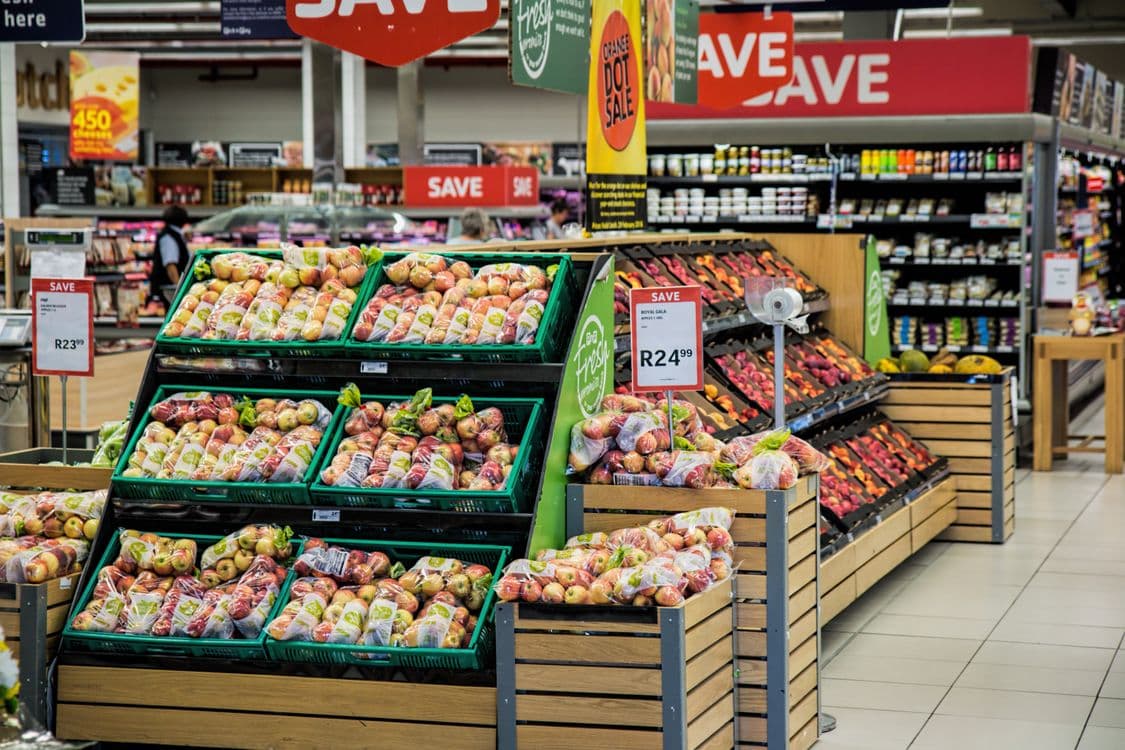
The standout number was food. Food price inflation eased to 1.7 percent, down from 2.2 percent the month before and the lowest reading since August 2024, ending a long stretch in which the weekly shop rose faster than almost anything else.
Pay is finally winning the race against prices, if only just. Average wages excluding bonuses rose 3.4 percent in the three months to May compared with a year earlier, which works out at real growth of 0.3 percent once inflation is stripped out.
Against that backdrop, the Bank of England left interest rates at 3.75 percent on 30 July, its fifth hold this year. The vote split 6-3, with three policymakers preferring a rise to 4 percent because of lingering energy price risks from the Middle East conflict.
Why it matters
Inflation at 2.6 percent changes the national mood in a way statistics rarely do. It means the years of painful price surges are largely behind us, and it gives the Bank of England room to think about cutting rates again after trimming them by 1.5 percentage points since August 2024.
The food figure matters most for lower-income households, who spend a far bigger share of their budget in the supermarket. When food inflation runs below 2 percent, the squeeze on the tightest budgets eases fastest.
The three dissenting votes are a warning, though. Energy prices spiked during the Middle East conflict, and although the recent US-Iran deal has sent oil sharply lower, part of the committee is not yet convinced the danger has passed. That caution is what stands between here and cheaper mortgages.
Explained simply
Falling inflation does not mean prices are falling. Prices are an escalator that only goes up; what has changed is that the escalator has slowed from a sprint to a stroll.
Inflation measures how much faster prices are rising compared with a year ago. At 2.6 percent, a shop that cost 100 pounds last June costs about 102.60 now. During the worst of the crisis, that same basket was rising by more than 11 pounds a year.
The comparison that decides whether you feel richer or poorer is inflation versus wages. With pay up 3.4 percent and prices up 2.6 percent, the average worker gains about 0.3 percent of real buying power after adjusting properly, small, but moving in the right direction for the first sustained stretch in years.
The Bank of England uses interest rates as its speed control on that escalator. Higher rates make borrowing dearer and saving more attractive, cooling spending and slowing price rises. The closer inflation gets to 2 percent, the less reason the Bank has to keep rates high.
What it means for you
For savers, this is a sweet spot. Easy-access accounts and Cash ISAs paying around 4 percent now beat inflation by roughly 1.4 percentage points, meaning cash savings are growing in real terms, something that was impossible during the inflation peak.
For mortgage holders, the path matters more than the level. If inflation keeps drifting toward 2 percent, markets will price in Bank of England cuts, which feeds into cheaper two-year and five-year fixed deals. Anyone remortgaging this autumn should watch the July inflation print closely.
At the supermarket, food inflation of 1.7 percent means the weekly shop is finally rising more slowly than pay for most households. Budgeting gets easier when the target stops moving so fast.
The bigger picture
The UK has travelled a long way: rates have been cut by 1.5 percentage points since August 2024 and inflation has fallen from double digits to within touching distance of target. The final stretch depends heavily on energy, and the collapse in oil prices since the US-Iran deal is pulling in the right direction.
Watch the September Monetary Policy Committee meeting. If the next inflation reading holds near 2.6 percent and energy stays calm, the case for a cut before Christmas strengthens considerably.


