What happened
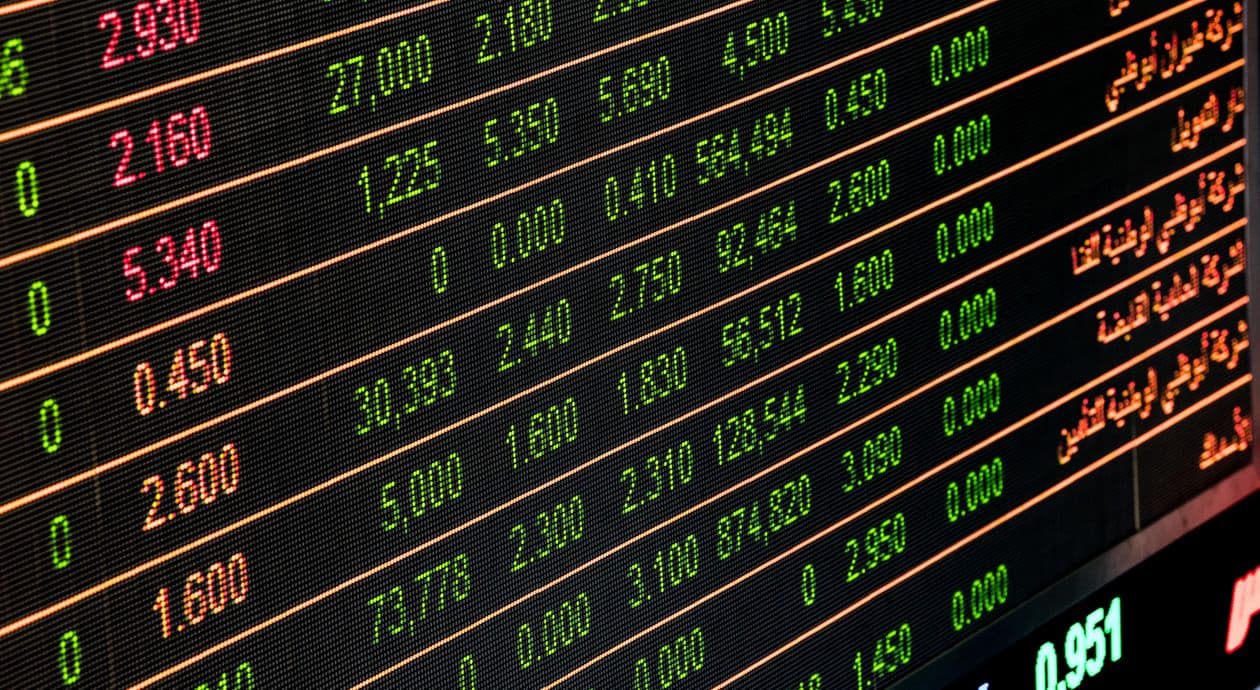
The Dow Jones Industrial Average, an index of 30 blue chip American companies, climbed above 54,000 for the first time in its history this week, while the broader S&P 500 — a basket of the 500 most valuable listed US firms — closed at a fresh record and kept going. By Wednesday the S&P 500 had added a further 0.46 percent, the Dow was up 0.74 percent and the Nasdaq 100 had gained 0.51 percent, extending a five day winning streak.
The rally is being powered by an unusually strong results season. Of the 372 S&P 500 companies that have reported second quarter numbers so far, 86 percent have beaten analyst estimates. Travel giant Booking Holdings jumped more than 7 percent after better than expected gross bookings, drugmaker Amgen rose more than 5 percent on stronger profits, and machinery maker Caterpillar rallied after quarterly sales topped 20 billion dollars for the first time.
The second engine is geopolitical. Reports emerged that the United States, Iran and Oman are nearing an interim agreement to reopen the Strait of Hormuz, the narrow waterway that normally carries roughly a fifth of the world oil supply. That optimism pushed Brent crude down toward 78 dollars a barrel and eased fears of another energy driven inflation spike.
London joined the party too. The FTSE 100 opened higher as HSBC delivered forecast beating profits, while gold climbed to a one month high near 4,155 dollars an ounce as the US dollar weakened.
Why it matters
Record stock prices are not just bragging rights for Wall Street. Share prices reflect what investors expect companies to earn in the future, so a broad rally built on genuine profit beats — rather than hype — suggests the corporate engine of the world economy is running better than feared, despite months of conflict in the Middle East.
The oil connection matters even more for households. Energy costs feed into almost everything, from food on supermarket shelves to airline tickets. If the Strait of Hormuz reopens and crude stays lower, inflation pressure eases on both sides of the Atlantic, which gives central banks like the Federal Reserve and the Bank of England more room to cut interest rates rather than hold them high.
There is also a wealth effect. When markets rise, pension pots and investment accounts grow, and people who feel richer tend to spend more. That spending supports jobs and wages, creating a loop that can keep an economy expanding.
Explained simply
A stock index is like a school report card for the biggest companies in America — a record high means most of the class just brought home better grades than anyone expected.
Every three months, listed companies must open their books and show investors how much they earned. Analysts publish predictions in advance, so the interesting part is not the raw number but whether a company beats or misses the forecast. This quarter, more than eight in ten of the big US names have beaten expectations.
At the same time, the oil market has been charging a fear premium because a vital shipping lane was blocked. As a deal to reopen it gets closer, that premium drains away, oil gets cheaper, and companies face lower costs while shoppers face smaller price rises.
Put the two together and you get a market with both engines running: profits coming in higher than forecast, and one of the biggest threats to those profits fading at the same time. That is the recipe behind this week of records.
What it means for you
If you have a workplace pension, you almost certainly own a slice of this rally. Most UK default pension funds put the majority of your money into global shares, and US companies typically make up 60 to 70 percent of a global tracker, so record highs in the S&P 500 flow directly into your retirement pot.
Anyone holding an S&P 500 tracker or a global index fund inside a Stocks and Shares ISA will have seen gains this week as well. The weaker dollar is worth watching, though — for UK investors, a falling dollar can trim the sterling value of US gains.
Records are not a reason to pile in or panic. Markets regularly set new highs on the way up, and trying to time an entry or exit around them rarely beats simply staying invested through regular contributions.
The bigger picture
This surge follows a nervous year in which war in the Middle East pushed oil above 100 dollars and rattled investors. The speed of the rebound shows how quickly sentiment can turn when the news flow improves.
The next tests come fast: results from Disney, Eli Lilly and Shopify this week, any formal announcement on the Hormuz deal, and the Federal Reserve meeting in September. If the deal stalls, some of this optimism could unwind just as quickly.


