What happened
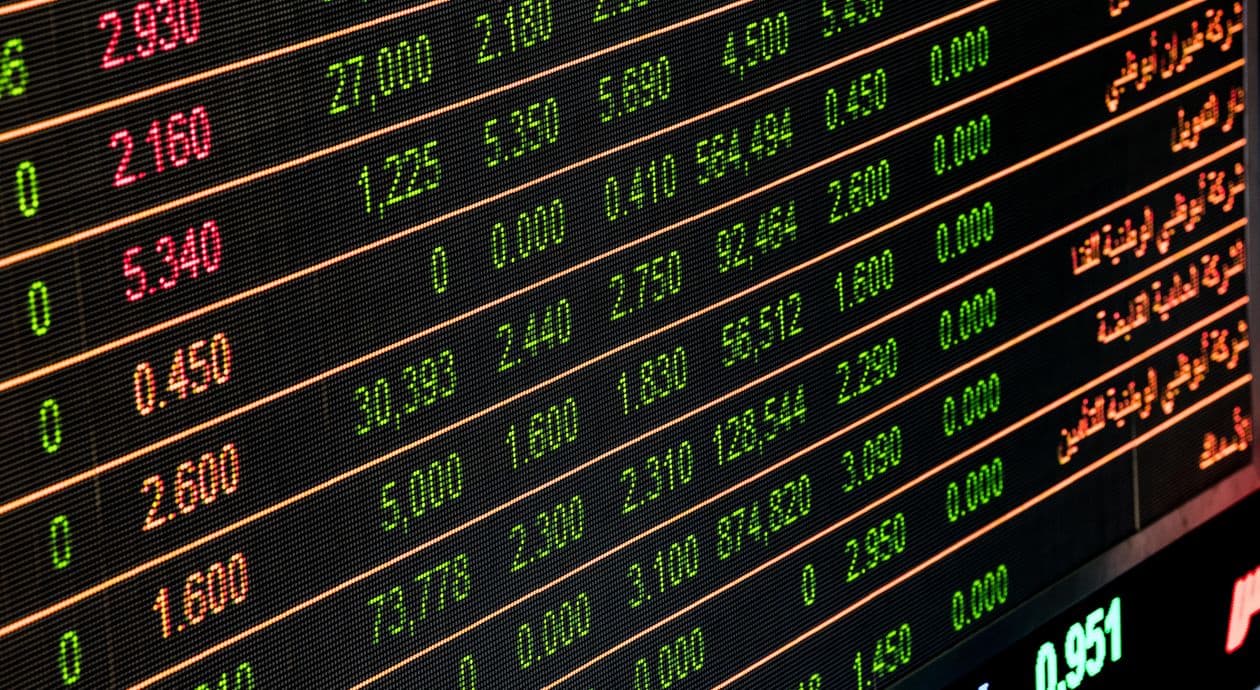
The S&P 500, the index that tracks the 500 largest listed companies in the United States, closed above the 7,700 mark for the first time ever this week, capping a ferocious rally that also saw the Dow Jones Industrial Average surge 900 points in a single session on Monday.
The momentum carried straight into Wednesday. Shortly after the opening bell the S&P 500 rose another 0.6 percent, the Dow advanced 365 points, or 0.7 percent, and the tech-heavy Nasdaq Composite added 0.4 percent, leaving all three major US benchmarks at or within touching distance of record highs.
The fuel behind the rally is an exceptional earnings season. With 61 percent of S&P 500 companies having reported second quarter results, 86 percent have beaten expectations for earnings per share - the slice of profit attributable to each individual share - and 77 percent have topped revenue forecasts.
The blended earnings growth rate for the quarter has reached 47.4 percent, a pace not seen since the post-pandemic rebound of 2021. Healthcare led the charge this week after a blowout quarter from drugmaker Eli Lilly.
Why it matters
Record index levels are not just a headline for traders. Hundreds of millions of pension pots, ISAs and retirement accounts around the world hold US shares, usually through cheap tracker funds, so a new all-time high directly increases the wealth of ordinary savers who may never look at a stock ticker.
The composition of this rally also matters. Share prices can rise for two very different reasons: because profits are growing, or because investors are simply willing to pay more for the same profits. This move is being driven primarily by the first, healthier reason - actual reported earnings are coming in far above what analysts expected.
There is a knock-on effect for the UK too. The FTSE 100 tends to catch the tailwind of strong Wall Street sessions, and it edged higher this week alongside the US benchmarks. Global investor confidence, once it builds, rarely respects borders.
Rising markets can also feed the real economy. When households see their investments and pensions growing, they tend to feel more secure and spend more freely, a phenomenon economists call the wealth effect.
Explained simply
An index hitting a record on strong profits is like a football team topping the league by scoring goals rather than by lucky refereeing - the position is backed by real performance on the pitch.
A stock index is simply a basket containing shares of many companies, weighted by size. When the price of the basket sets a record, it means investors collectively value those 500 businesses more highly than ever before.
Every three months, listed companies must publish their results - this is earnings season. Before results land, analysts publish estimates. Share prices already reflect those estimates, so what moves markets is the gap between expectation and reality.
This quarter, the reality has beaten the expectation at 86 percent of the companies that have reported so far. When beat after beat piles up, investors conclude the whole economy is stronger than assumed, and they pay up for shares across the board. That is how a broad index grinds its way to a record.
The 47.4 percent growth figure means that, taken together, these companies earned nearly half as much again as they did in the same quarter last year - an unusually large jump for mature businesses.
What it means for you
If you have a workplace pension, you almost certainly benefited this week. Default pension funds in the UK typically hold 50 to 70 percent of their equity allocation in US shares, so a record S&P 500 flows straight into your annual statement.
Holders of popular index funds - S&P 500 trackers, global equity funds and FTSE 100 trackers alike - have seen gains. A saver with 20,000 pounds in a global tracker is likely several hundred pounds better off than a month ago.
Records can tempt people to pile in with lump sums. A calmer approach is drip-feeding money in monthly, known as pound cost averaging, which smooths out the risk of buying at a short-term peak. Money needed within five years arguably does not belong in shares at all - easy-access savings accounts still pay around 4.5 percent.
Nobody should assume records continue uninterrupted. Markets that rise this fast can correct sharply, so check that your mix of shares, bonds and cash still matches your appetite for risk.
The bigger picture
Historically, all-time highs are not a sell signal - markets spend a surprising amount of time at or near records during long expansions. The bigger question is whether earnings can keep justifying prices, because valuations are now elevated by most historical measures.
The remaining 39 percent of S&P 500 companies still have to report, and central banks meet again in September. Any stumble in earnings, a surprise on inflation, or a breakdown in the Strait of Hormuz talks that pushes oil back up could test the rally quickly.


