What happened
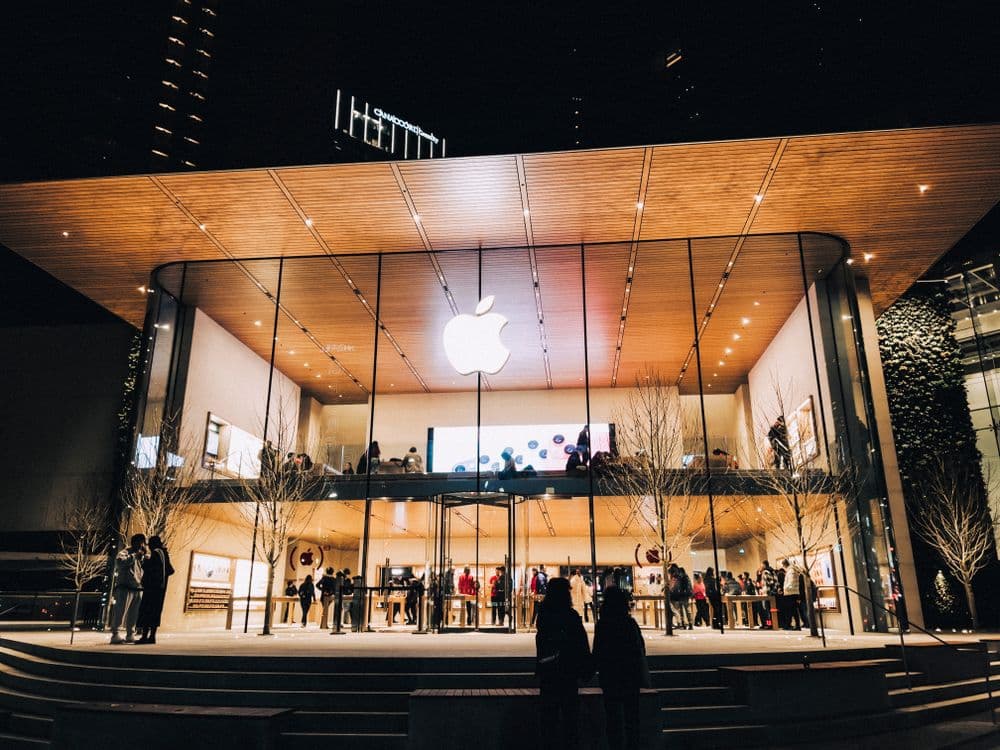
A cluster of sharp single-stock moves punctuated an otherwise flat session on Wall Street. Apple declined 1 percent after analysts at investment bank Jefferies issued a downgrade — a formal cut in their recommendation on the stock — moving it to underperform from hold, a signal that they expect the shares to lag the wider market.
The chip sector had a rough day too, with Intel leading semiconductor stocks lower. Chipmakers have been the engine of this bull market thanks to spending on artificial intelligence, so weakness there tends to weigh on the whole Nasdaq, which slipped 0.32 percent to 26,605.
The most dramatic move belonged to Verisk Analytics, which tumbled more than 6.5 percent after a Delaware judge ruled the data firm must proceed with its 2.35 billion dollar acquisition of roofing software company AccuLynx — a deal Verisk had tried to walk away from.
There were winners as well. Hewlett Packard Enterprise jumped more than 5 percent after Morgan Stanley upgraded the stock to overweight, arguing the market underappreciates the gap between its earnings power and its valuation. The S&P 500 itself finished almost exactly flat at 7,753, with the Dow at 53,976.
Why it matters
Apple remains one of the largest companies on earth, and it anchors nearly every major index fund and pension portfolio. When a big investment bank publicly sours on it, the ripples reach far beyond people who own the stock directly — a sustained slide in Apple mechanically drags on the S&P 500, the Nasdaq and every global tracker fund.
The Verisk ruling matters for a different reason: it reminds markets that signed merger agreements are binding. Companies sometimes get cold feet after agreeing a deal, and courts in Delaware — where most big US firms are legally registered — have repeatedly shown they will force buyers to honour their word. That legal certainty underpins the entire market for mergers and acquisitions.
And the softness in chips is worth watching because so much of this bull market rests on AI spending. If semiconductor stocks wobble while the index sits at record highs, it raises the question of what takes over as the driver.
Explained simply
An analyst downgrade is like a famous restaurant critic taking a star away from a celebrated kitchen — the food has not changed overnight, but bookings still wobble because so many diners trust the guide.
Investment banks employ analysts whose job is to study companies and publish recommendations: buy, hold or sell, sometimes labelled overweight, neutral or underperform. Large investors read this research and some adjust their holdings when a rating changes.
A downgrade does not mean a company is in trouble. It means one team of analysts believes the share price already reflects the good news, and that better returns are available elsewhere. The opposite call, an upgrade, is exactly what lifted Hewlett Packard Enterprise 5 percent the same day.
The lesson for ordinary investors is that these calls move prices in the short term but have a patchy record over the long term — which is one reason diversified funds, rather than single-stock bets, suit most people.
What it means for you
If you invest through a global tracker or an S&P 500 fund in an ISA or pension, Apple is very likely one of your largest holdings without you ever choosing it — often 5 percent or more of a US index fund. A 1 percent Apple move on its own barely dents a diversified portfolio, which is precisely the point of diversification.
For anyone tempted to trade on analyst calls, remember they are opinions with deadlines, not facts. Acting on every upgrade and downgrade racks up costs and, on the evidence, rarely beats simply staying invested.
UK savers with workplace pensions in default global funds hold all of these names — Apple, Intel, HPE — in small, sensible doses. Days like this are why those funds move a fraction of a percent while individual stocks swing 5 percent or more.
The bigger picture
Single-stock drama is normal late in an earnings season, when results are digested and analysts reset their views. What is notable now is the market backdrop: record index levels, a tense oil market and a pivotal inflation report due within a day.
Watch whether the chip weakness deepens or fades, and whether Apple stabilises. When the leaders of a bull market pause, the next leg of the rally usually depends on who steps up to replace them.


