What happened
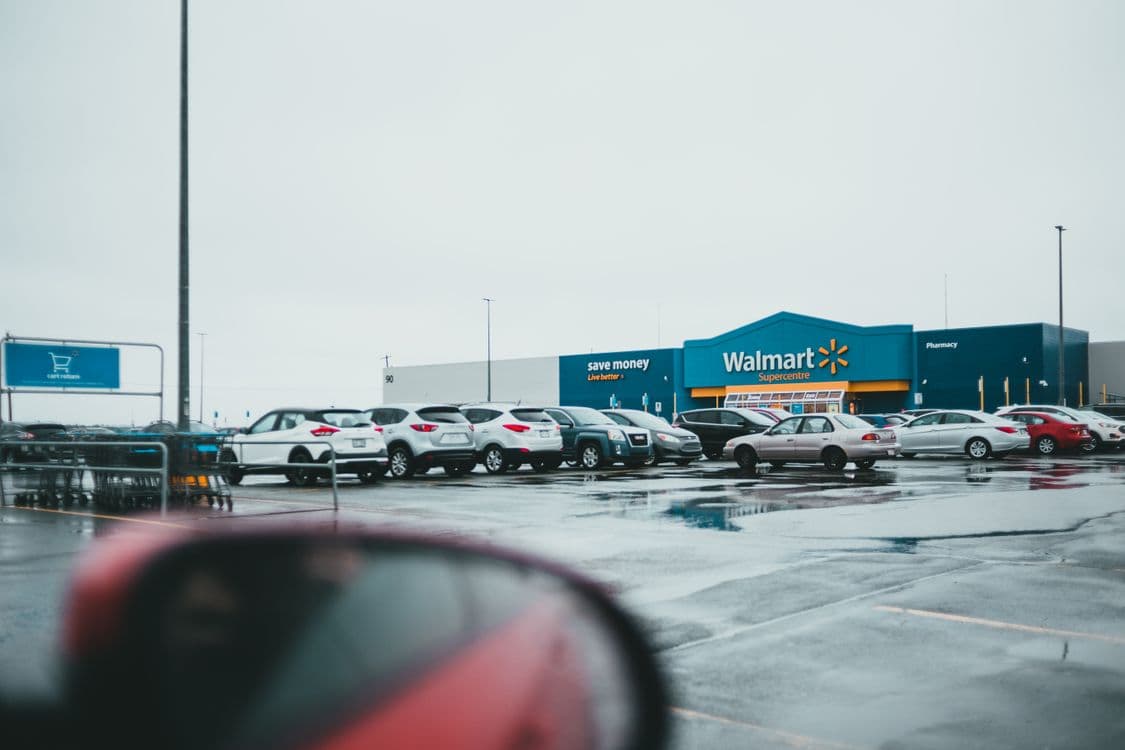
Walmart shares dropped roughly 8 percent in early trading on Thursday 20 August after the retailer missed forecasts for comparable sales for the first time in at least five years. Comparable sales, sometimes called like-for-like sales, measure revenue only from stores open for more than a year, stripping out the flattering effect of new store openings so investors can see whether existing shops are actually busier.
The company still nudged up its full-year sales and profit targets, but the detail underneath was what unsettled the market. Walmart said it now expects around 2 billion dollars of incremental fuel-related costs above its original guidance, assuming fuel prices stay where they are. Fuel hits a retailer of that size twice over: once in the cost of running one of the largest logistics fleets on earth, and again through the customer who has less left in the weekly budget after filling up the car.
The results cap a closely watched week for US retail. Target reported on Wednesday, and Home Depot and Lowes both delivered numbers earlier in the week that investors read as steady rather than strong. Walmart carries more weight than any of them because it sells to almost every income bracket, which makes its numbers something closer to a national spending survey than a company update.
Context matters here. Walmart has spent the past two years benefiting from shoppers trading down, including higher-income households switching from pricier grocers. A miss despite that tailwind suggests the pressure is broadening rather than simply shifting between retailers.
Why it matters
Consumer spending is roughly two thirds of the US economy, and the US economy sets the tone for global markets. When the single largest retailer says shoppers are flinching, that is not a company story, it is a country story.
Goldman Sachs has warned that real consumer spending growth could slow towards 1 to 1.5 percent in the second half of 2026, down from around 2.5 percent in June. That is not a recession forecast, but it is a meaningful deceleration, and it arrives while equity markets sit close to record highs and analysts still pencil in earnings growth of around 27 percent for the third quarter.
The gap between those two pictures is the risk. If shoppers slow while expectations stay elevated, something has to give, and historically it is the expectations rather than the shoppers that adjust first. A Walmart miss is exactly the sort of data point that forces analysts to revisit their models across the whole consumer sector.
There is a second, quieter signal. The strain Walmart described is caused by fuel, and fuel is expensive because of geopolitics rather than because the economy is overheating. That makes it a difficult problem for policymakers, who cannot fix a supply shock with interest rates.
Explained simply
Walmart is the till receipt for the whole country. Individual companies tell you about themselves, but when almost everyone shops at the same place, its sales figures are effectively a monthly poll on how the average household is coping.
Investors treat certain companies as bellwethers, meaning firms whose results reveal something about the broader economy rather than just their own management. A luxury watchmaker tells you about the very wealthy. A discount grocer tells you about people under pressure. Walmart is unusual because it tells you about both at once.
The specific mechanism running through these results is straightforward. Fuel is what economists call a non-discretionary cost, meaning you cannot easily choose to buy less of it, because you still have to get to work. When petrol rises, spending does not fall evenly across the basket. It falls hardest on the things people can postpone, such as clothing, homeware and electronics.
That is why a retailer can report a rising total sales number while investors still mark the shares down. The mix has deteriorated. Selling more petrol and pasta and fewer televisions produces similar revenue at much thinner margins, and margin is what turns into profit.
What it means for you
If you hold a workplace pension or a stocks and shares ISA with a global or US equity fund, you own Walmart whether you intended to or not. It is a top 20 constituent of the S&P 500, so a single-day 8 percent fall shows up as a small drag on a typical tracker rather than a shock. The wider point is that consumer-facing shares across the index are vulnerable to the same pressure.
For anyone holding an S&P 500 tracker, this is a reminder that the index is currently priced for very strong earnings growth. That does not mean selling. It does mean that if you are drip-feeding money in monthly, continuing to do so through any weakness is likely to serve you better than trying to time an entry.
UK shoppers should read this as an early warning rather than a direct hit. Walmart no longer owns Asda, so there is no direct read-across to a British supermarket, but the underlying cause is the same fuel spike now feeding into UK petrol prices and inflation.
If your own budget is being squeezed by fuel, the highest-value moves are unglamorous: check whether your motor insurance renewal has crept up, and review any subscriptions taken out during cheaper months. Those recover more cash than switching supermarkets.
The bigger picture
The last time Walmart posted a genuine comparable sales miss, the surrounding backdrop was very different. What makes this one notable is that it arrives after two years in which the company was the main beneficiary of consumer caution rather than a victim of it.
Watch the next two quarters of guidance rather than this single print. Retail results are noisy, and one miss caused by fuel could reverse entirely if oil falls back. The more meaningful signal will be whether Walmart starts describing weakness in categories that have nothing to do with the pump.
Watch also how the Federal Reserve responds. A slowing consumer would normally argue for lower interest rates, but inflation driven by energy argues for patience. That tension is likely to define policy debate into the autumn.


