What happened
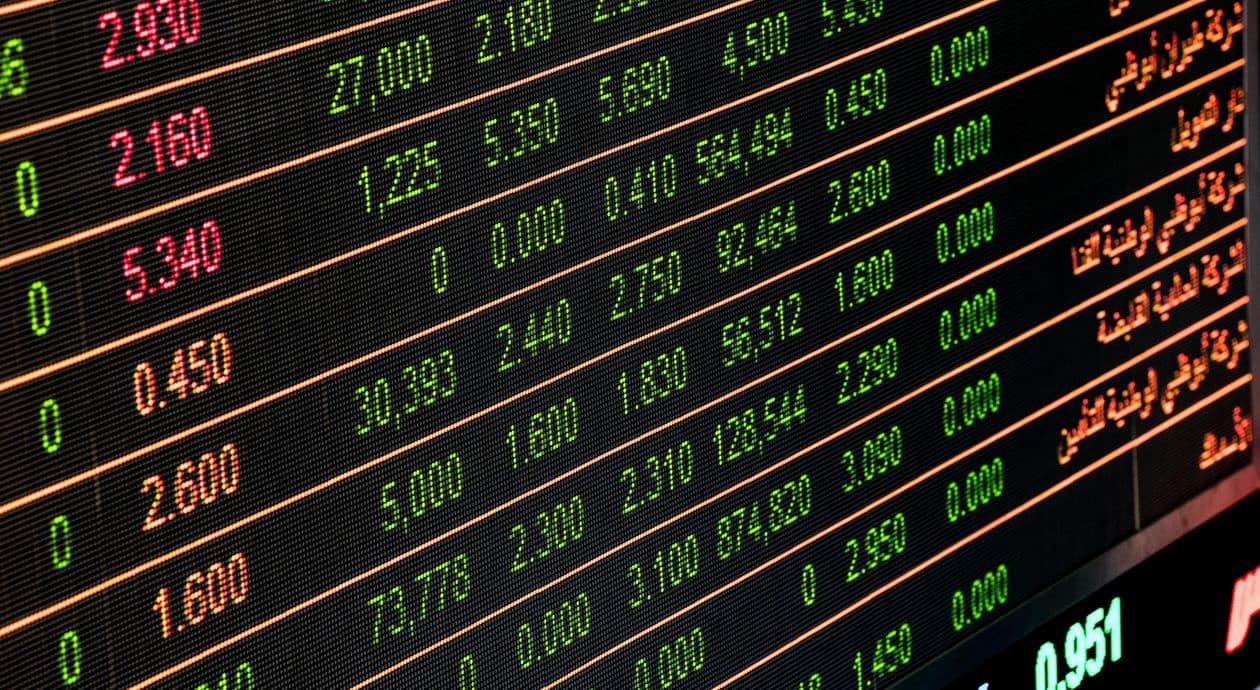
The S&P 500 fell 0.25 percent to close at 7,711.76 on Friday, with the technology heavy Nasdaq Composite dropping 0.52 percent to 26,402.42. The Dow Jones Industrial Average was effectively flat, shedding 9.45 points, or 0.02 percent, to finish at 53,559.99.
The trigger was inflation. Data released this week showed the core personal consumption expenditures index, the measure the Federal Reserve prefers, holding at 3.3 percent annually while the headline rate ran at 3.7 percent. Neither number gives policymakers cover to cut interest rates, and equity markets that had been pricing in easing had to adjust.
Individual stocks moved far more than the indices. Marvell Technology slid more than 10 percent after issuing disappointing gross margin guidance. Nvidia fell more than 3 percent, giving back some of a strong prior session. Gap jumped around 13 percent despite a mixed quarterly report, helped by the announcement of a new chief executive for its struggling Old Navy brand. Salesforce added 3 percent, extending a gain of more than 22 percent from the previous day after beating estimates and booking a 2.6 billion dollar gain on strategic investments.
Across the Atlantic the mood was calmer. The FTSE 100 rose 20 points to 10,812, with the London benchmark continuing to benefit from its heavy weighting toward energy, mining and banking rather than the technology names driving the volatility in New York.
Why it matters
A quarter of a percent decline is noise. What matters is why it happened. Share prices reflect two things: the profits companies are expected to earn, and the interest rate used to convert those future profits into a value today. Inflation data does nothing to the first and everything to the second.
When investors expect rate cuts, they apply a lower discount rate to future earnings, and share prices rise. When those cuts get pushed further into the future, the same expected earnings are worth less today. The mechanism is arithmetic rather than sentiment, and it explains why a mildly disappointing inflation print can move trillions of dollars of market value.
The earnings backdrop, though, is remarkable and worth holding onto. More than 85 percent of S&P 500 companies beat analyst expectations this reporting season, and year on year earnings growth topped 50 percent. Corporate America is not struggling. The argument is entirely about what those profits are worth given where interest rates are heading.
The divergence between the Nasdaq and the Dow tells its own story. Technology companies typically have more of their value sitting in profits expected far in the future, which makes them more sensitive to interest rate expectations. Industrials and consumer staples earn steadier money sooner, so they wobble less when the rate outlook shifts.
Explained simply
Interest rates are gravity for share prices. Raise them and everything gets heavier, and the assets floating highest on promises of distant profit fall the furthest.
Imagine somebody offers you 100 dollars in ten years time. What would you pay today for that promise? If you can earn 5 percent a year risk free in the meantime, you would pay around 61 dollars. If you can only earn 2 percent, you would pay around 82 dollars. The promise has not changed at all, but the price you will pay for it has moved by a third.
Shares are exactly that calculation performed on a company future profits. A firm expected to earn most of its money twenty years from now is like the 100 dollars in ten years, only more so, and its value swings wildly on small changes in the interest rate. A supermarket chain earning steady money next quarter is barely affected.
That is the whole explanation for Friday. Inflation refusing to fall means the risk free rate stays higher for longer, so the promise of distant profit is worth less today. The Nasdaq is full of distant promises. The Dow is full of near term cash. Hence a half percent fall in one and nothing in the other.
Individual stock moves work differently. Marvell did not fall 10 percent because of interest rates. It fell because it told investors its gross margin, the profit left after the direct cost of making its products, would be thinner than expected. That is a change to the numerator, not the discount rate, and it hits far harder.
What it means for you
If you hold a workplace pension or a stocks and shares ISA, a large slice of it is almost certainly invested in US equities, which now make up roughly two thirds of global developed market indices. A 0.25 percent move in the S&P 500 translates to a fraction of a percent on a diversified fund and is not worth checking your balance over.
What is worth attention is concentration. Many popular global tracker funds now hold well over 20 percent of their value in a handful of large American technology companies. If you own a global tracker, a US tracker and a technology fund, you may own the same five companies three times over. Look through to the underlying holdings rather than counting the number of funds you own.
For anyone drip feeding money in monthly, days like Friday are neutral to mildly helpful. Regular investing buys more units when prices dip, and the discipline matters far more over a decade than the entry point of any single month. Stopping contributions because of a headline is the expensive mistake.
If you are close to needing the money, within roughly five years, the calculus changes. Equity market volatility is only survivable if you have time to wait it out. Money needed for a house deposit next spring belongs in cash or short dated bonds, where 4 percent is currently available with no risk to the capital.
The bigger picture
The S&P 500 sits near record territory after a run driven by artificial intelligence spending and unusually strong corporate profits. Earnings growth above 50 percent is not a sustainable pace, and at some point the comparison base catches up. The question for the next twelve months is whether profits keep expanding fast enough to justify current valuations without help from falling interest rates.
Watch two things. The first is the September Federal Reserve meeting and the language around it, which will reset rate expectations across every asset class. The second is whether the market broadens out beyond the technology giants. A rally carried by five companies is fragile. One carried by five hundred is durable.


