What happened
Brent crude climbed to 94.86 dollars a barrel on 2 September, hovering at the highest level in nearly six weeks. The move followed a violent session on 1 September in which West Texas Intermediate, the main American oil benchmark, rose 5.90 percent in a single day to 90.82 dollars. Brent is the North Sea benchmark used to price roughly two thirds of internationally traded crude.
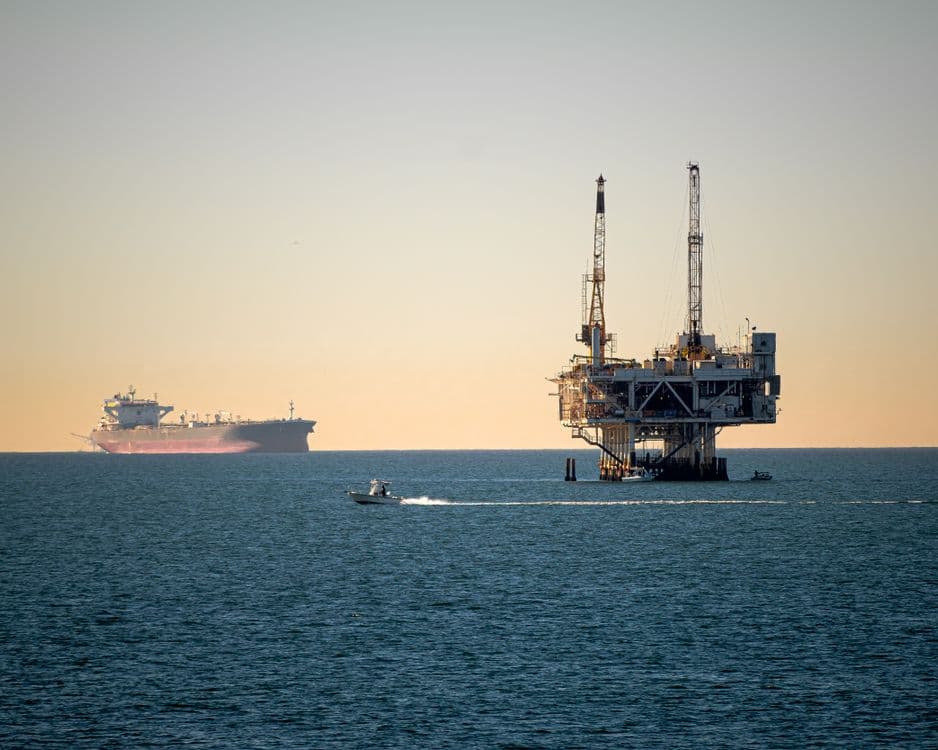
The trigger was military. United States forces launched fresh strikes on Iranian targets around the Strait of Hormuz, which President Donald Trump described as retaliation for attempts by Tehran to lay mines in the waterway and for an earlier attack on an American military base. Hormuz is the chokepoint between Iran and Oman through which roughly a fifth of the seaborne oil traded worldwide has to pass.
Traffic through the strait has been running persistently below normal for weeks. Shipping attacks and renewed mining concerns have pushed marine insurance premiums sharply higher and forced some owners to reroute or wait, which tightens physical supply regardless of how much oil producers pump.
The cumulative move is now substantial. Brent has risen 13.24 percent over the past month and is 40.33 percent above where it traded at the same point last year. That is the kind of shift that stops being a market story and starts being an economic one.
Why it matters
Oil is the closest thing the global economy has to a universal input. It moves goods, it powers factories, it becomes plastic and fertiliser and asphalt. When the price rises by 40 percent in a year, the cost shows up in almost every price a household eventually pays, and it does so whether or not anyone owns a car.
The immediate consequence is inflation, and the second consequence is what central banks do about it. Euro area inflation has just jumped to 3.3 percent almost entirely because of energy. UK inflation rose to 2.9 percent in July from 2.6 percent. Neither the Bank of England nor the European Central Bank can cut interest rates comfortably while headline inflation is being pushed up by a shipping lane they cannot control.
There is a growth cost as well. Money spent on fuel is money not spent elsewhere, so an oil shock functions as a drag on consumer demand at the same time as it pushes prices up. That combination, weaker growth alongside higher prices, is the uncomfortable scenario policymakers spend most of their time trying to avoid.
Not everyone loses. Energy producers, oilfield services companies and the large integrated majors earn more per barrel. Because those companies are unusually heavily weighted in the London market, higher crude has been one reason the FTSE 100 has held up better than several international peers through this episode.
Explained simply
The Strait of Hormuz is the checkout lane of the oil world. There is plenty of stock on the shelves, but almost everyone has to queue through the same till, so a single disruption at that till backs up the entire shop.
Oil prices are not really set by how much oil exists in the ground. They are set by how much can reliably reach a refinery in the next few weeks. Hormuz is only about 21 miles across at its narrowest point, and the shipping lanes inside it are narrower still, which means a very large share of global supply depends on one small stretch of water staying calm.
When traders think that stretch of water might close, or even slow down, they bid up the price of barrels available right now. Analysts call the resulting gap a geopolitical risk premium, which simply means the extra amount buyers pay as insurance against a disruption that has not actually happened yet. That premium can appear in hours and vanish just as fast when tensions ease.
Shipping costs amplify everything. Marine war risk insurance for a tanker transiting a contested strait can rise many times over in days, and that cost is added to every barrel carried. Some owners simply decline the voyage, which removes real capacity from the market even though no oil field has stopped producing.
The final step is the pump. UK forecourt prices follow wholesale petrol and diesel, which follow crude with a lag of about two to three weeks. As a rough rule of thumb, a sustained 10 dollar move in Brent translates into roughly 5 to 7 pence a litre at the pump once fuel duty and VAT are applied.
What it means for you
The driving cost is the clearest one. With Brent near 95 dollars, drivers should expect forecourt prices to drift higher over the next two to three weeks rather than fall. Filling a 55 litre tank costs several pounds more than it did in early August, and supermarket forecourts remain the cheapest option in most areas by a margin of 4 to 8 pence a litre.
Household energy is the slower channel. Gas prices track oil loosely and the Ofgem price cap is set quarterly using wholesale prices captured over an observation window, so a shock in September influences bills in the following quarter rather than immediately. If you were considering a fixed energy tariff, this is a reasonable moment to compare the fixed price against what the cap is likely to do, rather than assuming the cap will keep falling.
Investors already hold more oil exposure than they realise. A FTSE 100 tracker gives meaningful weightings to Shell and BP, which is why UK index funds have been comparatively resilient. That is diversification working rather than a reason to buy energy funds after a 40 percent move, which is usually the worst moment to add.
Anyone booking flights should note that jet fuel is typically 25 to 30 percent of an airline cost base. Carriers hedge months ahead, so fares respond slowly, but sustained crude near 95 dollars makes fare increases and higher fuel surcharges more likely for travel in the first half of next year.
The bigger picture
Oil shocks driven by geopolitics have a consistent shape. They spike quickly, hold while the threat is live, then fade faster than most people expect once the risk recedes, because high prices bring extra supply and reduced demand into the market within months. The 2022 episode followed exactly that pattern.
The variable this time is duration. A brief exchange of strikes gets priced out in weeks. Persistent mining of the strait, sustained attacks on shipping and insurance markets that stop underwriting the route would be a genuinely different situation, because it would remove capacity rather than merely frighten traders.
What to watch is physical rather than political: tanker transit counts through Hormuz, war risk insurance quotes, and whether OPEC producers with spare capacity choose to increase output. Those three indicators will tell you whether this is a scare or a shortage well before the headlines do.


