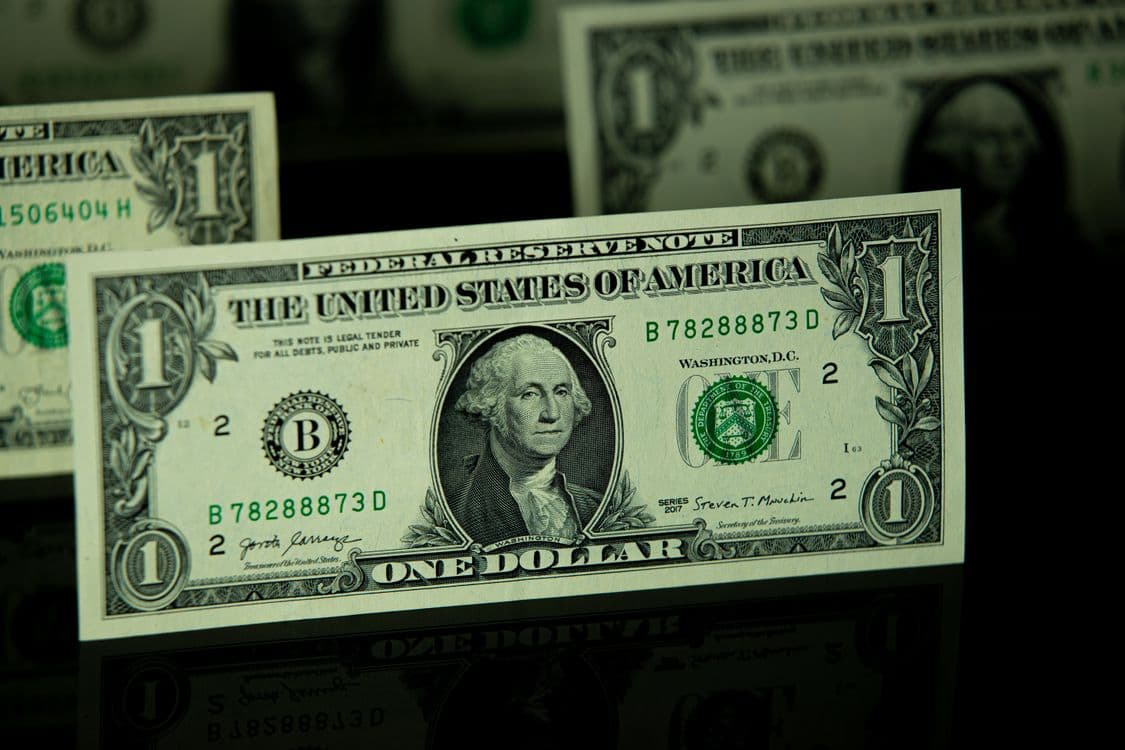
What happened
Traders have moved to pricing the Federal Reserve September meeting as close to a coin flip, with prediction markets giving roughly a 58 percent probability that rates are left unchanged at the two day meeting on 15 and 16 September. The US policy rate currently stands at 3.75 percent.
The remarkable part is the direction of the doubt. For most of this year the debate was about how quickly the Fed would cut. The live question now is whether it might have to raise. Odds of a September increase fell to around 25 percent in mid August after a weak July jobs report, then climbed back through late August following remarks at the annual Jackson Hole symposium reaffirming a firm commitment to bringing inflation down.
The data behind the argument is genuinely mixed. The consumer price index, which measures the average change in prices paid by households for a basket of goods and services, rose just 0.1 percent in July, leaving annual inflation at 3.4 percent. Core CPI, which strips out food and energy because those prices swing wildly for reasons unrelated to the underlying economy, rose 0.2 percent on the month and 2.5 percent over the year.
So inflation is drifting down, but headline inflation at 3.4 percent is still well above the Fed target of 2 percent, and energy prices remain elevated. Against that, the labour market is softening. Those two signals point in opposite policy directions, which is exactly why the market cannot make up its mind.
Why it matters
The Federal Reserve sets the price of money for the largest economy on earth, and the dollar is the currency in which most global trade, most commodities and most cross border debt is priced. When the Fed moves, everyone else feels it, whether or not their own central bank does anything.
A higher for longer Fed keeps the dollar strong. A strong dollar makes imports more expensive for countries that buy in dollars, which includes the UK for oil, gas and a great deal else. That feeds into British inflation through petrol pumps and energy bills, with no involvement from the Bank of England at all.
It also matters for asset prices. Higher US rates make cash and short dated US government debt more attractive relative to shares. Because American companies make up roughly seventy percent of global equity index funds, a repricing of US rate expectations moves the value of a UK workplace pension far more than most savers realise.
Finally, there is a signalling effect. If the worlds most watched central bank concludes that inflation is stickier than hoped, other central banks tend to grow more cautious about cutting. That would push out the timeline for cheaper mortgages in Britain as well.
Explained simply
Setting interest rates is like adjusting the shower while someone else keeps flushing the toilet. You make your change, then wait a year to find out whether the water is scalding or freezing.
Central banks raise rates to cool an economy. Higher rates make borrowing more expensive and saving more rewarding, so households and firms spend less, demand falls, and sellers lose the ability to raise prices. Cutting rates does the reverse.
The difficulty is the delay. Economists estimate that a rate change takes roughly twelve to eighteen months to work its way fully through to prices. So the Fed is never reacting to todays inflation. It is guessing at inflation in late 2027 and setting policy for that. Every month of data is a clue about a destination it cannot see.
Right now the clues conflict. Falling core inflation says the shower is cooling and you should stop turning the tap. A soft jobs report says the economy is already chilling and you should turn the tap the other way. Elevated energy prices say a burst of hot water is on its way regardless. Reasonable people at the same table are reading those clues differently, and that disagreement is precisely what a 58 percent probability represents.
What it means for you
Your pension and stocks and shares ISA. If you hold a global tracker such as an all world or developed world index fund, roughly seven pounds in every ten is invested in the United States. A Fed decision to hold rather than cut removes a tailwind that has been supporting share valuations. This is not a reason to sell, but it is a reason to expect flatter returns than the last two years delivered.
Your holiday money. A Fed that stays firm supports the dollar and weakens the pound against it. Sterling already slipped this week despite rising UK yields. If you are travelling to the United States or anywhere with a dollar linked currency this autumn, buying part of your currency now spreads the risk rather than betting on one rate.
Your mortgage. There is no direct link, but there is a strong indirect one. UK swap rates, which set fixed mortgage pricing, respond to global rate expectations. If the Fed signals no cuts this year, expect the recent small reductions in UK fixed rates to stall. The average two year fix stood at 5.52 percent at the start of September.
Your savings. A world where major central banks hold rather than cut is a world where fixed rate savings bonds stay attractive for longer. Locking in a one year fixed cash ISA is less urgent than it looked six months ago, but the window will not stay open indefinitely once cuts do begin.
The bigger picture
Three years ago the assumption was that inflation would fall back to target and rates would follow it down in an orderly line. That has not happened. Inflation has proved stickier in the last stretch from 3 percent to 2 percent than it was in the fall from 9 percent to 3 percent, and energy shocks have kept reintroducing pressure.
The result is a genuine split among policymakers, which is unusual. Central banks prefer to speak with one voice because their power rests largely on being believed. Visible disagreement raises volatility, because markets have to price several possible futures rather than one.
Watch the inflation readings due before the 15 to 16 September meeting, and watch the jobs data alongside them. If inflation cools further while hiring weakens, the case for holding collapses and cuts return to the table. If inflation stalls near 3.4 percent while wages hold up, the coin flip tilts the other way.


