What happened
Brent crude, the global benchmark, traded slightly above 96 dollars a barrel on Thursday, holding at a six week high, while US West Texas Intermediate rose above 91.50 dollars. Both contracts extended gains as Iran continued strikes against US allies in the Gulf, with Kuwait describing ongoing Iranian aggression and Iran claiming overnight strikes on US bases following American action earlier in the week.
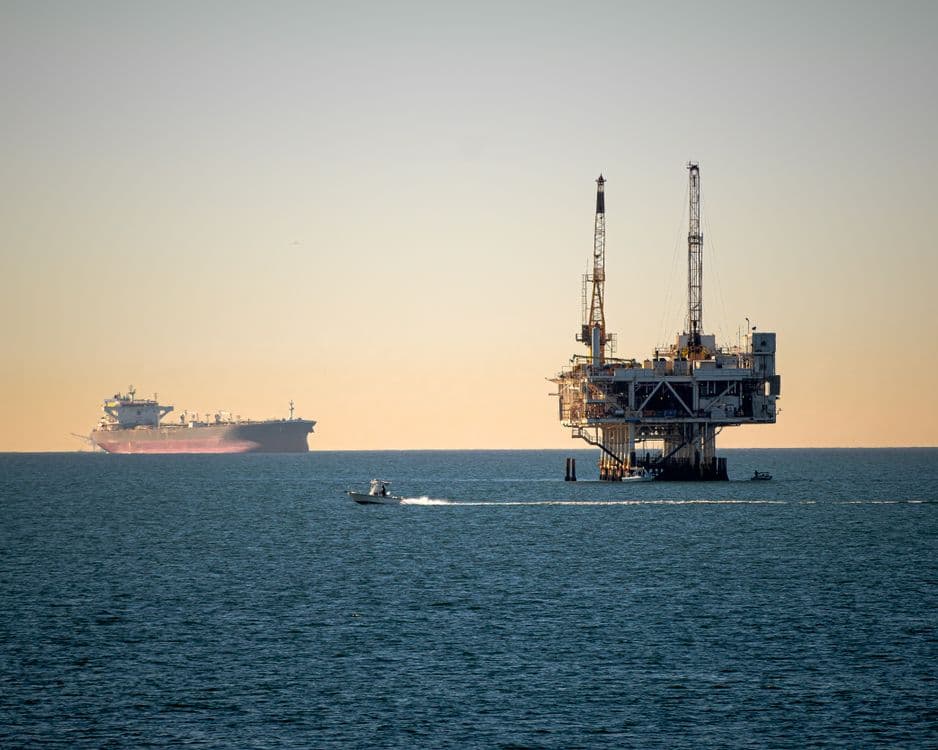
The critical number is not the price but the shipping count. Six commodity vessels transited the Strait of Hormuz on Wednesday, down from 11 on Tuesday and against a ten day average of nearly 13. The Strait is a narrow waterway between Iran and Oman through which roughly a fifth of the worlds seaborne oil normally passes, which makes it the single most important chokepoint in global energy.
Mitsui O.S.K. Lines of Japan, the largest tanker operator in the world, said it now expects disruption at the Strait to persist longer than previously assumed, with no normalisation before the end of the year following the latest escalation.
That outlook sits awkwardly against official forecasts. The US Energy Information Administration has been projecting Brent to average around 85 dollars a barrel across the third quarter, well below where the market is now trading.
Why it matters
Oil is the input that touches nearly every other price. It moves goods to shops, heats homes, fuels aircraft and feeds into plastics, fertiliser and asphalt. When crude rises and stays risen, the effect spreads through an economy over months rather than days, which is precisely why central banks find energy shocks so awkward.
For the UK specifically, this is the mechanism now pushing inflation forecasts back up. Household energy bills are expected to rise, and businesses facing higher transport and input costs pass those on to customers. Independent forecasters surveyed by HM Treasury think UK inflation will be running near 3.5 percent by the final quarter of this year, up from 2.9 percent in July.
That in turn constrains the Bank of England. It cannot cut interest rates to support a slowing economy while an energy shock is pushing prices higher, which is why markets have pared back rate cut expectations and priced a small chance of a rise instead.
The shipping data is the part worth watching most closely. Prices reflect what traders expect; vessel counts reflect what is actually moving. A traffic level less than half the norm means physical supply is genuinely constrained rather than merely feared.
Explained simply
The Strait of Hormuz is the single lane bridge that a fifth of the worlds oil has to cross. Nobody has blown up the bridge, but drivers have started refusing to use it, and the queue behind is what you are paying for at the pump.
Oil markets price risk, not just barrels. The world is not currently short of oil in any absolute sense. What has changed is the probability that a large volume becomes unavailable at short notice, and traders pay up today to avoid being caught without supply tomorrow.
Tanker economics amplify this. Shipowners face war risk insurance premiums that can multiply many times over for a single Gulf transit, and crews can refuse voyages. So even without a formal closure, the effective capacity of the route collapses because the cost and risk of using it become prohibitive.
The oil that does not move through Hormuz has to be replaced from somewhere further away, which means longer voyages, more ships tied up at sea for longer, and higher freight costs baked into the delivered price of every barrel. This is why disruption raises prices even when total production is unchanged.
Finally, oil is priced in dollars globally. For a UK buyer, the sterling cost depends on both the barrel price and the exchange rate, so a weak pound can make a dollar priced shock noticeably worse at the forecourt.
What it means for you
Petrol and diesel respond to crude with a lag of roughly two to six weeks. Brent sustained in the mid 90s points to pump prices rising by several pence a litre over the coming month, which is somewhere around 3 to 4 pounds on filling a typical 55 litre tank. Supermarket forecourts usually move last and remain the cheapest option.
Household energy is the larger exposure. The regulated price cap is set from wholesale gas costs observed over an assessment window, so a shock now shows up in bills one to two quarters later. If you are on a variable tariff, it is worth actively comparing fixed deals rather than assuming the cap protects you; a fix that sits slightly above the current cap can still be the cheaper choice over a full year if wholesale costs are climbing.
For investors, energy is one of the few sectors that gains from this. The FTSE 100 carries heavy weightings in Shell and BP, which is a large part of why the UK index has held up better than the domestic economy would suggest. If you own a FTSE 100 tracker, you already have that exposure without needing to add more.
If you are booking flights, fuel is roughly a quarter of airline operating costs and carriers hedge only part of it. Expect fares on long haul routes to firm up rather than fall through the autumn.
The bigger picture
Energy shocks have preceded most major inflation episodes of the past fifty years, from the 1973 embargo through to the 2022 gas crisis. The pattern is consistent: prices spike, central banks are forced into uncomfortable choices, and the effects linger long after the headlines move on.
There are differences this time. Global oil demand growth has slowed as electric vehicles take share, US production is far larger than in previous crises, and strategic reserves exist in a way they did not in the 1970s. Those buffers cap how bad this can get, but they do not prevent it.
Watch the Hormuz vessel count rather than the price headline. A recovery towards the 13 vessel average would signal the risk premium unwinding quickly. Continued readings in single digits would suggest the EIA forecast of 85 dollars for the quarter is now out of date.


